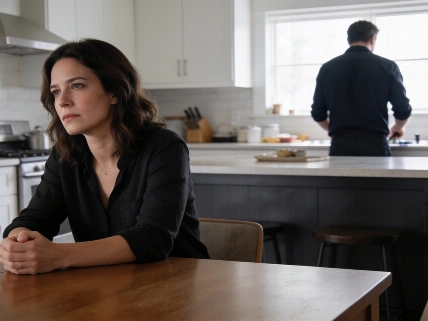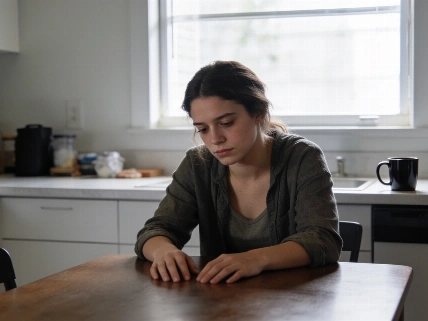

Many adults withdraw after conflict, feeling the urge to hide or go silent instead of talking
After a heated argument or tense conversation, it’s common for people to feel an overwhelming urge to withdraw. Not just to stop talking, but to physically and emotionally retreat—turn off the phone, lie in bed facing the wall, vanish into a space where no one can reach them. This isn’t about running out of things to say. It’s about needing to hide from something raw and uncomfortable inside.
According to Psytheater.com, this reaction is often mistaken for sulking or emotional manipulation. Partners may accuse each other of using silence as punishment or leverage. But for most, the urge to disappear after conflict isn’t a tactic. It’s a reflex—deeply wired, honest, and physical.
Conflict, even when voices stay calm, is a collision. Internally, it can trigger a surge of tension, fear, shame, anger, and confusion, all layered at once. The nervous system reads this as a threat. For some, the only learned response is to freeze or escape. Psychologists call this the “freeze” or “avoidance” response—a way to cope with what feels like danger. Not physical danger, but a threat to relationships, self-image, or the sense of safety with another person.
Often, this urge to go silent and disappear is rooted in past experience. Maybe childhood conflicts were loud and frightening, and the only way to survive was to become invisible. Maybe expressing feelings was met with ridicule or criticism, so hiding emotions became second nature. Or maybe, in some families, no one ever truly made up after a fight—words didn’t help, so waiting it out and pretending nothing happened became the norm. The body remembers. As adults, the same patterns play out: retreating to the only place that once felt safe.
There’s another layer. After conflict, people often feel a rush of shame for what they said, fear that the relationship is broken, anger they’re afraid to show, or pain they don’t want to reveal. Silence isn’t coldness. It’s a way to hold oneself together—to avoid making things worse, to keep from saying something regrettable, or from breaking down in front of someone else. The withdrawal isn’t about the other person. It’s about escaping the internal storm, finding a place to breathe.
The problem is, partners or loved ones rarely see it this way. They interpret withdrawal as rejection, respond with pressure or demands for explanation, or get angry at the silence. This only intensifies the distress for the person who’s already struggling, creating a cycle that’s hard to break. Inside, it’s not indifference. It’s too much emotion, with no safe way out.
It’s important to recognize that the urge to disappear after conflict isn’t a sign of immaturity or pathology. It’s a signal that the nervous system is overloaded, that there’s pain inside that can’t yet be spoken. The work isn’t to force yourself to talk right away. It’s to get curious about what’s happening inside when you want to vanish. What feels unbearable? What’s the real fear?
Gradually, it’s possible to give yourself time and space—not to hide forever, but to return. To reconnect with yourself, and eventually with the other person, once you’ve found some ground again. Real closeness after conflict is possible. But first, you have to learn not to abandon yourself in the hardest moments.
If you notice this pattern in yourself—shutting down after every argument and not knowing how to come back—know that it’s something you can work on. Understanding your own reactions is the first step toward change.
In therapy, clinicians often help clients identify these automatic responses and trace them back to their origins. The “freeze” or “avoidance” reaction is not a flaw, but a survival strategy that once made sense. With support, people can learn to recognize their triggers, communicate their needs, and gradually build new ways of coping with conflict. This process takes time, but it can lead to more resilient relationships and a stronger sense of self.