
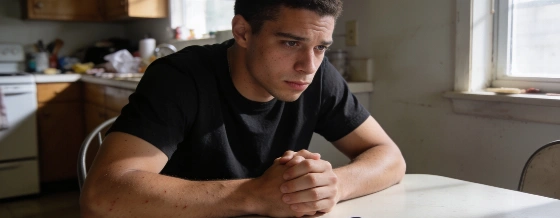
When curiosity turns into snooping, guilt and anxiety can follow. What drives the urge to check a partner’s phone—and should you confess if you did
It’s a scenario that plays out more often than most couples admit: One partner, feeling uneasy or simply curious, gives in to the urge to check the other’s phone. Maybe it’s a quick scroll through texts or a glance at social media DMs. For some, the act brings relief—nothing suspicious found. For others, it triggers a wave of guilt and shame that lingers long after the screen goes dark.
According to Psytheater.com, the urge to monitor a partner’s private conversations often signals deeper issues than simple curiosity. It can point to anxiety about trust, fear of being left out, or insecurity about one’s place in the relationship. The act itself—secretly reading messages—rarely solves the underlying tension. Instead, it tends to create a new problem: the burden of secrecy and the fear of being discovered.
Shame is a powerful emotion. It can push people to confess in hopes of relief, or to hide what they’ve done and carry the weight alone. But confession isn’t a magic fix. The partner who was snooped on may feel betrayed, angry, or even violated. For some, it’s a dealbreaker. For others, it’s a chance to talk about boundaries and trust. There’s no universal script for how a partner will react, and that uncertainty can be paralyzing.
What drives someone to cross that line? Sometimes it’s a lack of trust in the partner. Sometimes it’s a lack of trust in oneself—worrying that you’re not enough, or that you’ll be left behind if your partner has a wide social circle. The urge to check can also be a way to manage anxiety, to seek reassurance without having to ask for it directly. But as discussed in related research on relationship conflict, these behaviors often backfire, fueling more doubt and distance.
For those wrestling with guilt after snooping, the next step isn’t always clear. Some choose to confess, accepting whatever fallout may come. Others decide to keep quiet, vowing never to repeat the mistake and instead focusing on why the urge arose in the first place. Reflecting on questions like “What was I afraid of?” or “What does trust mean to me?” can be more productive than a hasty confession. Sometimes, working through these questions with a therapist helps clarify what’s really at stake.
In some cases, the crisis can become a turning point. If both partners are willing, it can open a conversation about trust, boundaries, and how to handle doubts in healthier ways. But that outcome isn’t guaranteed. The risk of damaging the relationship is real, and the decision to confess or stay silent is deeply personal. What matters most is learning from the experience—understanding what drove the behavior, and how to build a relationship where trust doesn’t have to be policed.
Relationship anxiety and trust issues are common topics in therapy. Many therapists use cognitive-behavioral techniques to help clients identify the thoughts and beliefs that drive their actions. For example, someone who fears abandonment may be more likely to seek reassurance in unhealthy ways, like snooping. Therapy can help people develop healthier coping strategies, communicate more openly, and set boundaries that protect both partners’ privacy. Over time, these skills can reduce the urge to monitor and help build a foundation of trust that feels secure without constant checking.