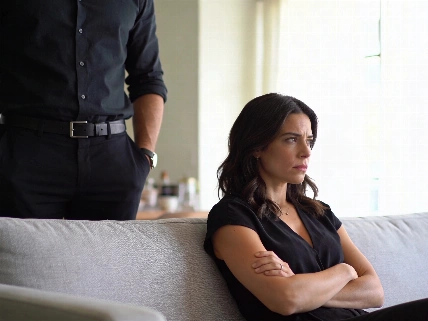
Polished looks and success can’t hide these small but telling signs of low emotional intelligence
It’s easy to assume that a woman with a sharp wardrobe and a solid income radiates class. But psychologists who study emotional intelligence say the real markers of elegance have little to do with outward polish. Instead, they show up in the smallest interactions—how someone listens, responds, and treats others when no one’s watching. These details, often invisible to the person herself, can quietly reveal a lack of genuine class.
According to clinicians cited by outlets like Psychologies and Carnet Psy, there are eight subtle behaviors that consistently signal a deficit in elegance: putting others down, bristling at criticism, defining oneself by luxury, crossing personal boundaries, neglecting gratitude, bending the truth, showing indifference to others’ pain, and refusing to grow. All of these, experts say, point to fragile self-esteem and unfinished emotional development.
How We Treat Others
The first warning signs are relational. A woman who frequently makes cutting remarks, offers backhanded compliments, or mocks others is engaging in what some psychologists call non-constructive criticism—a form of contempt. When someone can’t tolerate even gentle feedback and reacts defensively or with immediate counterattacks, it’s often a sign of emotional immaturity. This kind of posture is at odds with the calm confidence that defines true class.
Another red flag: constant talk about price tags, brands, and possessions. Social psychologists note that investing in experiences brings more lasting happiness than buying things. When someone builds her identity around what she owns rather than the relationships she nurtures, it can come across as insecure or even competitive—far from the serene self-assurance associated with elegance.
Personal Boundaries and Empathy
Respect for boundaries is another key marker. Reading a partner’s messages, demanding to know every detail, or repeatedly interrupting conversations are all signs of confusing closeness with intrusion. Add to this a lack of clear “thank yous” for favors, and the picture sharpens: a deficit in empathy and gratitude that leaves others feeling used rather than valued.
Small lies, convenient exaggerations, and selective silence about uncomfortable truths may seem harmless, but over time they erode trust. Psychologists rank these behaviors among the least classy. When someone responds to another’s vulnerability with “you’re overreacting” or quickly changes the subject, it signals a lack of emotional intelligence and a failure to truly listen.
Growth and Self-Reflection
Perhaps the most telling sign, as highlighted by Top Santé and Carnet Psy, is the refusal to change. The stance of “that’s just who I am” is the opposite of elegance. Women who are genuinely classy invest in personal growth, confront their blind spots, and seek help when needed. As Maya Angelou famously put it, do your best until you know better—then do better. This willingness to evolve is the real signature of emotional maturity.
While outward appearance and financial success can create an illusion of sophistication, it’s the small, everyday choices that reveal the truth. The way a woman handles criticism, respects boundaries, and responds to others’ needs says far more about her character than any designer label ever could.
Emotional intelligence is a complex set of skills that includes self-awareness, empathy, and adaptability. It’s not fixed at birth, nor is it tied to social status or education. Many therapists work with clients to build these capacities, using techniques that foster honest self-reflection and healthier relationships. Over time, even deeply ingrained habits can shift, leading to more authentic connections and a stronger sense of self-worth.