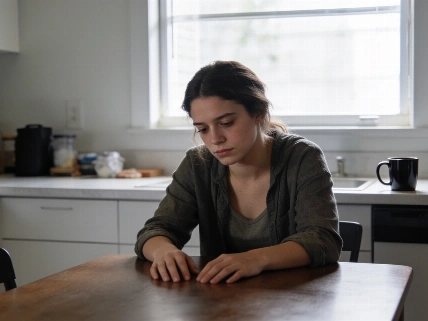

Creative employees often become targets in toxic workplaces where power games rule.
When work stress turns into chronic insomnia, irritability, and a sense of dread, it’s no longer just a rough patch. In France, occupational health services have reported a 47% increase in consultations for work-related psychological issues since 2018. In these toxic environments, certain personality types—especially those who challenge the status quo—are singled out by office power dynamics.
Researchers refer to these individuals as the Créatif: people who see the world differently, thrive on complexity, question “the way things have always been done,” and follow a strong ethical compass. According to a workplace bullying researcher cited by Psychology Today, after collecting over 200 stories from various countries and industries, these Créatifs often become whistleblowers—and thus prime targets in dysfunctional company cultures.
The Créatif in a Toxic Workplace
In unhealthy offices, decisions are made behind closed doors, communication is vague, and mistakes are used to assign blame. Outlets like Wengood and Lamy Liaisons Sociales highlight the same warning signs: abuse of power, public humiliation, high turnover, and intrusion into personal lives. The Créatif quickly spots these contradictions and asks uncomfortable questions, making them vulnerable to subtle retaliation.
Research on workplace harassment shows these environments erode mental health, leading to chronic stress, anxiety disorders, burnout, and even job loss. For the Créatif, the violence is often invisible: their ideas are stolen without credit, projects are reassigned, and emails go unanswered. Over time, self-doubt creeps in. Naming the roles at play helps clarify that the problem lies in the culture—not in the individual’s personality.
Mapping Toxic Characters: Dragons, Followers, and Unicorns
The study’s typology identifies the Dragon as the central predator—driven by power and recognition, but not always holding an official title. The Dragon manipulates through gossip, gaslighting, and sabotage, viewing the independent, ethical Créatif as a threat. Surrounding the Dragon are Shapeshifters: followers seeking prestige who spread rumors and play dirty to stay in the inner circle.
Community Builders work hard and believe in the mission but avoid conflict. To stay on the dominant side, they may join in sidelining the Créatif, which can feel like betrayal. Higher up, Figureheads—managers obsessed with their own careers—avoid taking sides. In contrast, a single trustworthy Confidant or a “unicorn” Leader who encourages open dialogue can sometimes shift the dynamic.
Survival Strategies for Créatifs in Dysfunctional Cultures
Créatifs don’t have to shoulder everything alone. Finding at least one Confidant at work—someone who shares their values and stands firm under pressure—can help them stay true to themselves. Outside the office, having a safe space is crucial: personal projects, peer networks, or professional counseling if needed. Documenting incidents, limiting verbal exchanges with the Dragon, and reaching out to occupational health or HR can provide support, even if it means quietly preparing to leave when health or dignity are at risk.