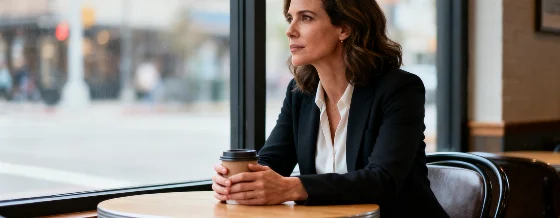
Many want love but freeze or sabotage when dating gets real—here’s why it happens
“I want to fall in love, but the idea of a first date makes my hands shake.” “I like someone, but I keep finding reasons to pull away.” If these thoughts sound familiar, you’re not alone. Many adults crave connection but find themselves paralyzed or self-sabotaging when romance becomes possible. According to Psytheater.com, this pattern often signals a deep-rooted fear of intimacy—sometimes called philophobia—that can quietly shape our choices and keep us stuck in isolation.
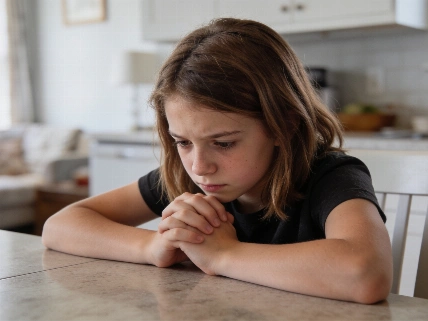
It’s rarely cynics or cold-hearted types who struggle most. More often, it’s people who are sensitive, idealistic, and deeply wounded by past relationships. The mind, built for survival, learns to protect itself after betrayal, emotional abuse, or abrupt breakups. Instead of risking another heartbreak, it builds a wall: anything that smells like love now feels dangerous. The result isn’t just avoiding a specific person—it’s avoiding the entire experience of vulnerability.
Where the Fear Begins
Three main forces drive this cycle. First, there’s the “sealed wound” effect. After a painful ending, the brain overcorrects, treating all new romantic signals as threats. Second, some fear losing themselves in a relationship. For those who grew up with conditional love—where affection depended on compliance—falling for someone can feel like erasing your own needs, interests, or boundaries. Third, perfectionism creeps in. “I’ll date when I’m thinner, richer, or more stable.” This logic creates a false sense of control, but it’s really a shield against rejection. By setting impossible standards, you reject others before they can reject you.
These patterns show up in daily life. Maybe you compare every new person to an ex, searching for flaws. Maybe you rush into intimacy, then abruptly pull back. Or you fixate on trivial details—a laugh, a shirt, a haircut—as dealbreakers. Sometimes, you convince yourself you’re simply “waiting for the right time,” but the real driver is fear.
Breaking the Cycle
No article can erase fear, but it can help you shift from panic to manageable discomfort. The first step is to stop asking, “Will this person hurt me?” and start asking, “If I get hurt, what will I do?” Remind yourself of your resources: friends, therapy, hobbies, your own space. You’re not powerless.
Next, separate anxiety from reality. When your mind screams, “This will destroy you,” write down what’s actually happened. Did anyone insult you, threaten you, or cross a line? Often, the answer is no. You’re reacting to ghosts from the past, not the person in front of you.
Philophobia isn’t just mental—it’s physical. Racing heart, sweaty palms, a lump in your throat before a date. These are adrenaline, not omens. Try saying aloud, “My heart is pounding because I’m stepping into something new. It’s scary, but I choose to feel this.”
Small Steps Forward
Don’t let new people storm your life. Meet once a week. Keep your routines. Don’t move in after the first weekend. When you let someone in gradually, the fear of losing yourself fades. Your life remains yours.
Finally, give yourself permission to make mistakes. The real terror isn’t just heartbreak—it’s the shame and humiliation that can follow. But adulthood isn’t about avoiding pain; it’s about surviving it. You can fall in love and break up. You’ll grieve, but you’ll move on.
Relationships are never risk-free. They’re a mutual agreement between two imperfect people to try, fail, and sometimes hurt each other—often by accident, sometimes by carelessness. There’s no partner who can guarantee you’ll never be let down. But you can find someone who makes the risk feel worth it.
Real courage isn’t the absence of fear. It’s feeling your knees shake, looking at someone new, and deciding to try anyway. Maybe that means sending a simple “Hey, how are you?” to someone you like. Not as a step toward marriage, but as a step toward living. The world won’t end if you do. But the wall around your heart might finally crack.
Philophobia—fear of falling in love or entering relationships—is not a formal psychiatric diagnosis, but it’s a real and often paralyzing experience for many. Therapists often work with clients to identify the roots of this fear, which can stem from trauma, attachment issues, or learned beliefs about love and self-worth. Treatment may involve cognitive-behavioral strategies, gradual exposure to vulnerability, and building self-compassion. While the process is rarely quick, many people find that with support, the grip of fear loosens and genuine connection becomes possible again.