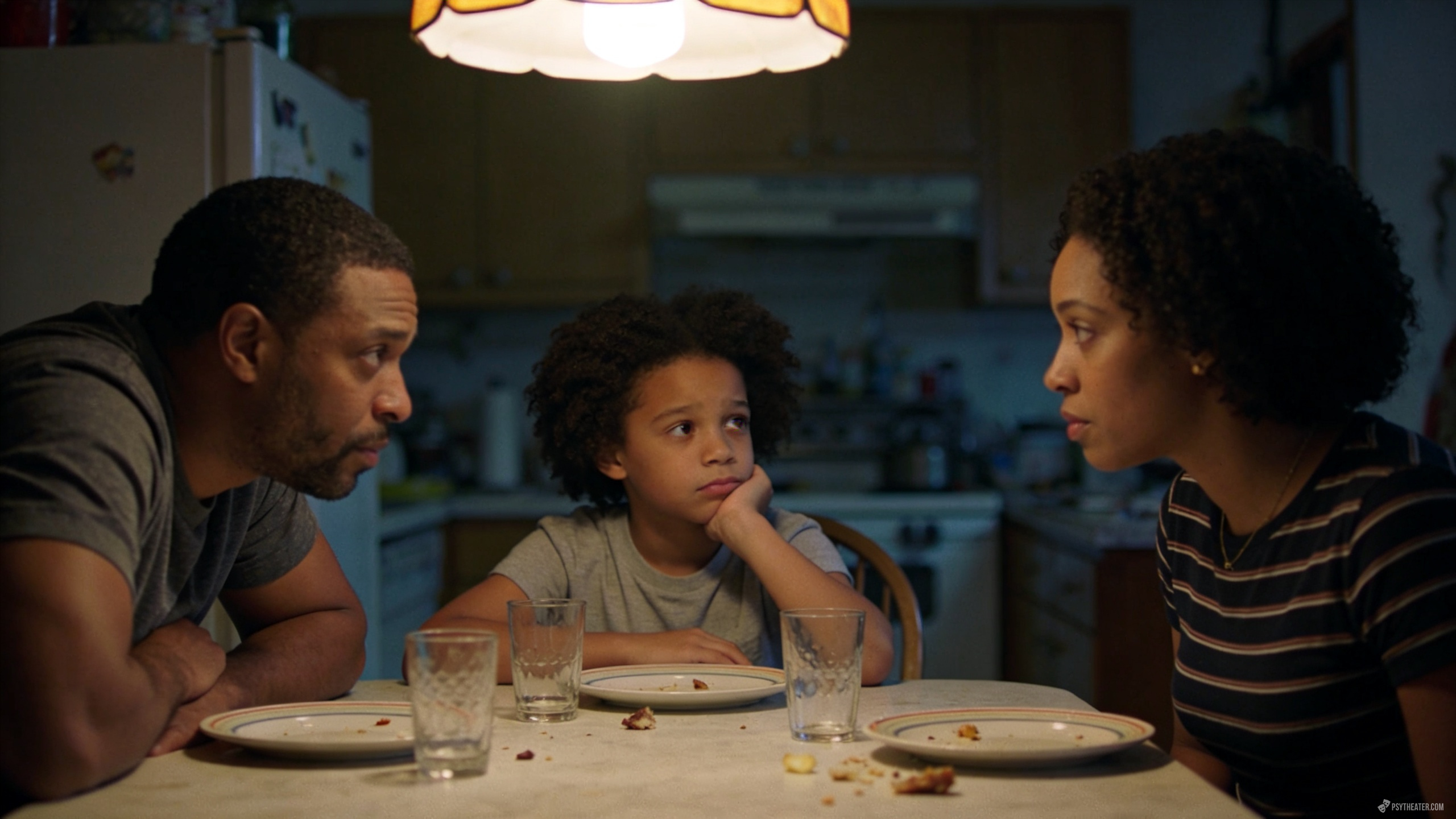
For some couples, love and sexual desire don’t always move in sync. Take the case of a woman in her early thirties, married to a man in his mid-fifties. They’ve known each other for two decades, lived together for ten years, and share a strong emotional bond. Yet, since moving in together, their sex life has vanished. She’s at the height of her sexual energy, while he insists his love is so deep, he can’t bring himself to be intimate. Physically, he’s healthy—normal testosterone, no medical issues. They kiss, hug, and share affection, but when things turn sexual, his arousal fades.
This isn’t rare. According to Psytheater.com, mismatched sexual desire in long-term relationships can stem from several psychological patterns. One is the Madonna–Whore complex, where a man idealizes his partner to the point that sexual attraction feels taboo. He may see his wife as pure, almost sacred, making it hard to connect lust with love. Another dynamic can emerge when a partner has known the other since childhood. The older spouse may unconsciously slip into a parental role, blurring the lines between romantic and familial affection. This can create an internal conflict between desire and protectiveness.
Performance anxiety is another common culprit. Even when there’s no physical cause, a man may fear sexual failure so much that the anxiety itself disrupts arousal. One bad experience can set off a cycle of dread and avoidance, especially if he feels pressure to perform perfectly every time. Over time, the fear of disappointment or embarrassment can make sex feel risky, not rewarding.
Age also plays a role. Women often reach their sexual peak in their thirties, while men’s libido may naturally decline in their fifties. Even if hormone levels are normal, psychological shifts can make intimacy less urgent for one partner. The routines of daily life can further erode passion. Living together removes the distance and novelty that once fueled desire, sometimes turning a lover into more of a roommate or confidant.
Breaking the Silence
When sex disappears but love remains, silence can be corrosive. The first step is a direct, honest conversation. Both partners need space to share their feelings without blame or shame. The goal isn’t to assign fault, but to understand what’s really happening beneath the surface. Sometimes, just naming the problem out loud can shift the dynamic and open new possibilities.
Experimenting with change can help. That might mean altering routines, trying new settings, or discussing fantasies and boundaries. The point isn’t to force excitement, but to rediscover what feels good for both. If discomfort or confusion persists, seeing a sex therapist—not just a general counselor—can be transformative. A specialist can help untangle the emotional knots and suggest tailored strategies, provided both partners are willing to engage.
It’s important to recognize that sexual issues rarely resolve on their own. Avoiding the topic can deepen resentment or loneliness, even in a loving marriage. But with patience, openness, and sometimes professional help, many couples find a way forward that honors both connection and desire.
Understanding Sexual Performance Anxiety
Sexual performance anxiety is a psychological pattern where fear of failure disrupts arousal and satisfaction. It often starts after a single stressful experience, then snowballs as the person anticipates future disappointment. This anxiety can affect anyone, regardless of age or physical health. Treatment usually involves therapy focused on reducing pressure, reframing expectations, and building trust between partners. Addressing performance anxiety early can prevent it from undermining intimacy and emotional closeness in the long run.