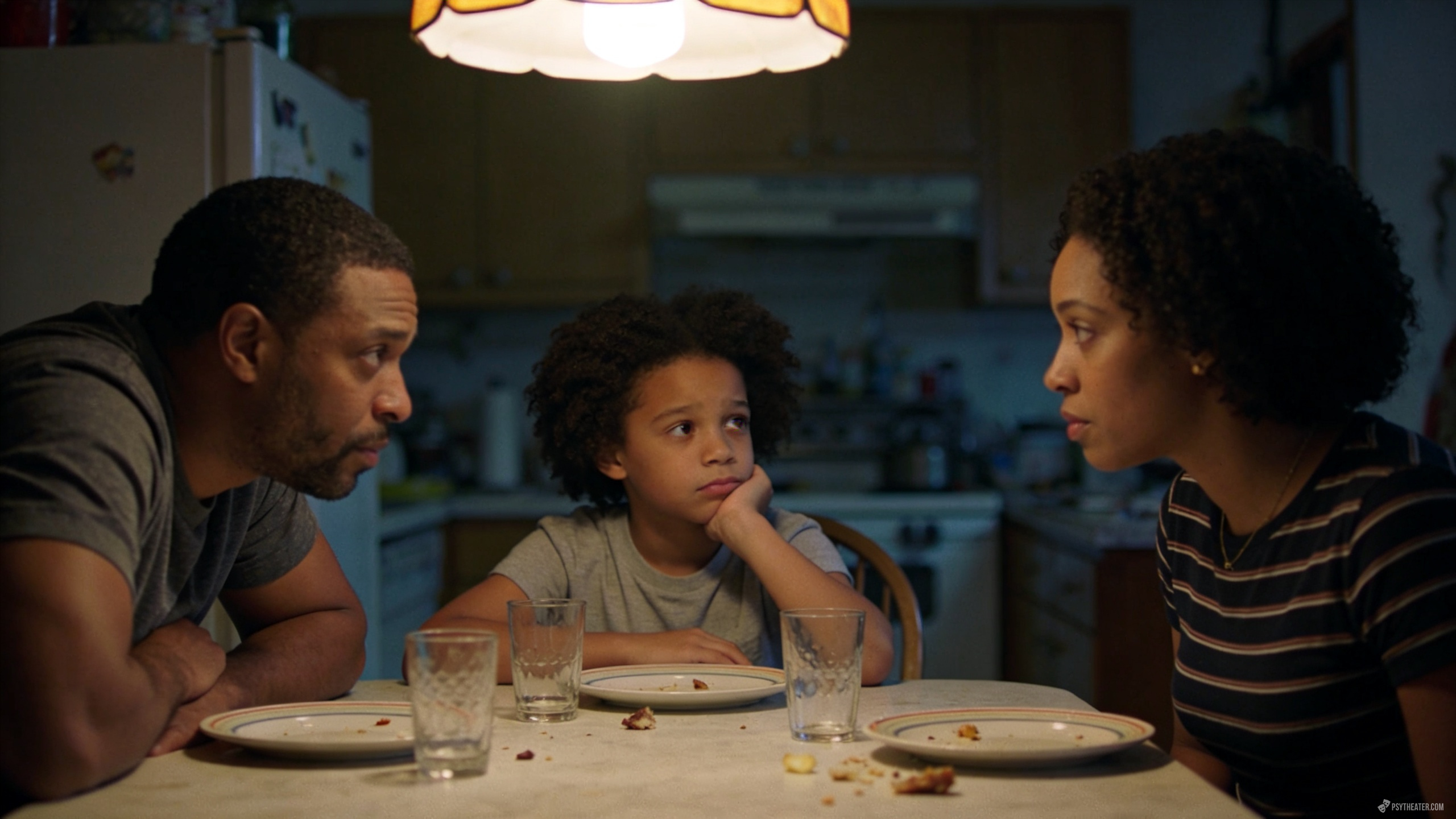
Evenings in many homes are a pressure cooker. Kids glued to their devices, adults exchanging clipped remarks, and a heavy silence settling over the dinner table. The day’s stress doesn’t just linger—it multiplies. According to Psychology Today, research shows that a few minutes spent practicing gratitude can lower stress and strengthen family bonds. But most families never get around to it, stuck in the same nightly rut.
One approach, drawn from positive psychology, is a five-minute gratitude ritual. The idea is simple: before clearing the table or heading to bed, everyone pauses to name one thing they appreciated that day. This isn’t about forced cheer or ignoring real problems. It’s about shifting attention, even briefly, from what’s wrong to what’s working. As Florence Servan Schreiber notes in Vogue, psychologist Sonja Lyubomirsky’s research suggests that up to 40% of our happiness is shaped by daily habits—not by luck or circumstance.
Why does this work? Practitioners like the team at Rituel d’Ancrage point to a built-in negativity bias. We’re wired to notice the dirty dishes or the sharp tone, not the small acts of care. Over time, this bias can turn families into emotional roommates—sharing space but not connection. The gratitude ritual interrupts that drift. Each person is asked to name at least one gesture or moment that made them feel seen or supported, no matter how minor. The effect isn’t instant harmony, but a subtle recalibration of what gets noticed and valued.
Studies cited in the article show that keeping a gratitude journal can reduce symptoms of anxiety and depression, while boosting overall life satisfaction. The poet Derek Walcott once wrote about “falling in love with the world despite its history”—gratitude doesn’t erase pain, but it can soften its edges. One writer who’s practiced this ritual for years says it hasn’t erased her grief, but it’s changed how she holds it, making sleep come a little easier.
How to Start
Trying this at home doesn’t require a lifelong commitment. Set aside five minutes. Turn off the screens. Sit together and take three slow breaths. Then, one by one, each person names a single thing they’re grateful for that day—something in the family or outside it. “Thanks for clearing the table.” “I liked when you helped me.” “I’m glad you got home early.” No commentary, no debate. Just a simple “thank you” in response.
For a deeper step, each person can think of someone they’re struggling with and write a short note of gratitude—on paper or by text. The point isn’t to deny tension, but to change the tone of the conversation. Researcher Brené Brown reminds us that those closest to us know exactly how to push our buttons—because they installed them. A word of thanks doesn’t erase conflict, but it can open a new channel for dialogue.
Making It Stick
This ritual isn’t one-size-fits-all. It can be adapted for couples, families, or even solo reflection in a journal. The key is repetition, not perfection. Some nights will feel awkward or forced. Others will surprise you. Over time, the practice can shift the emotional climate of a household, making space for connection even on hard days.
Gratitude rituals aren’t a cure-all. They don’t fix deep wounds or resolve chronic conflict. But they do offer a practical, evidence-based way to interrupt negative cycles and remind families of what’s still good, even when things are tough. As Psychology Today reports, the benefits are cumulative—small moments, repeated often, can change the story a family tells about itself.
Gratitude, as a psychological practice, has gained traction in therapy and self-help circles for its measurable impact on mood and relationships. Unlike positive thinking, which can sometimes gloss over real pain, gratitude focuses on specific, concrete experiences. Therapists often recommend gratitude journaling or rituals as adjuncts to treatment for anxiety, depression, and family stress. The practice is most effective when it’s regular, authentic, and free from pressure to perform. Over time, it can help individuals and families build resilience, foster empathy, and create a more balanced emotional environment at home.