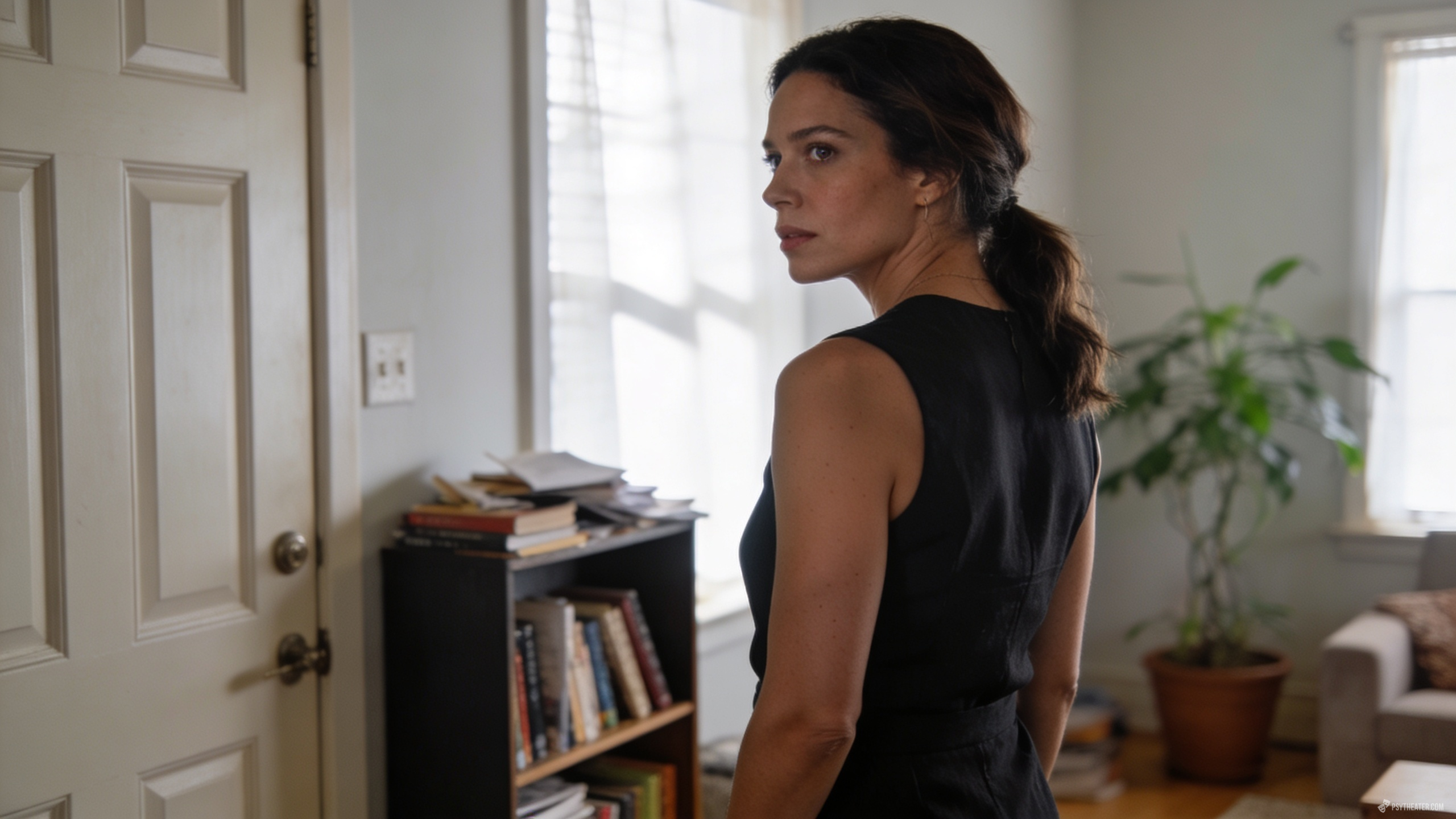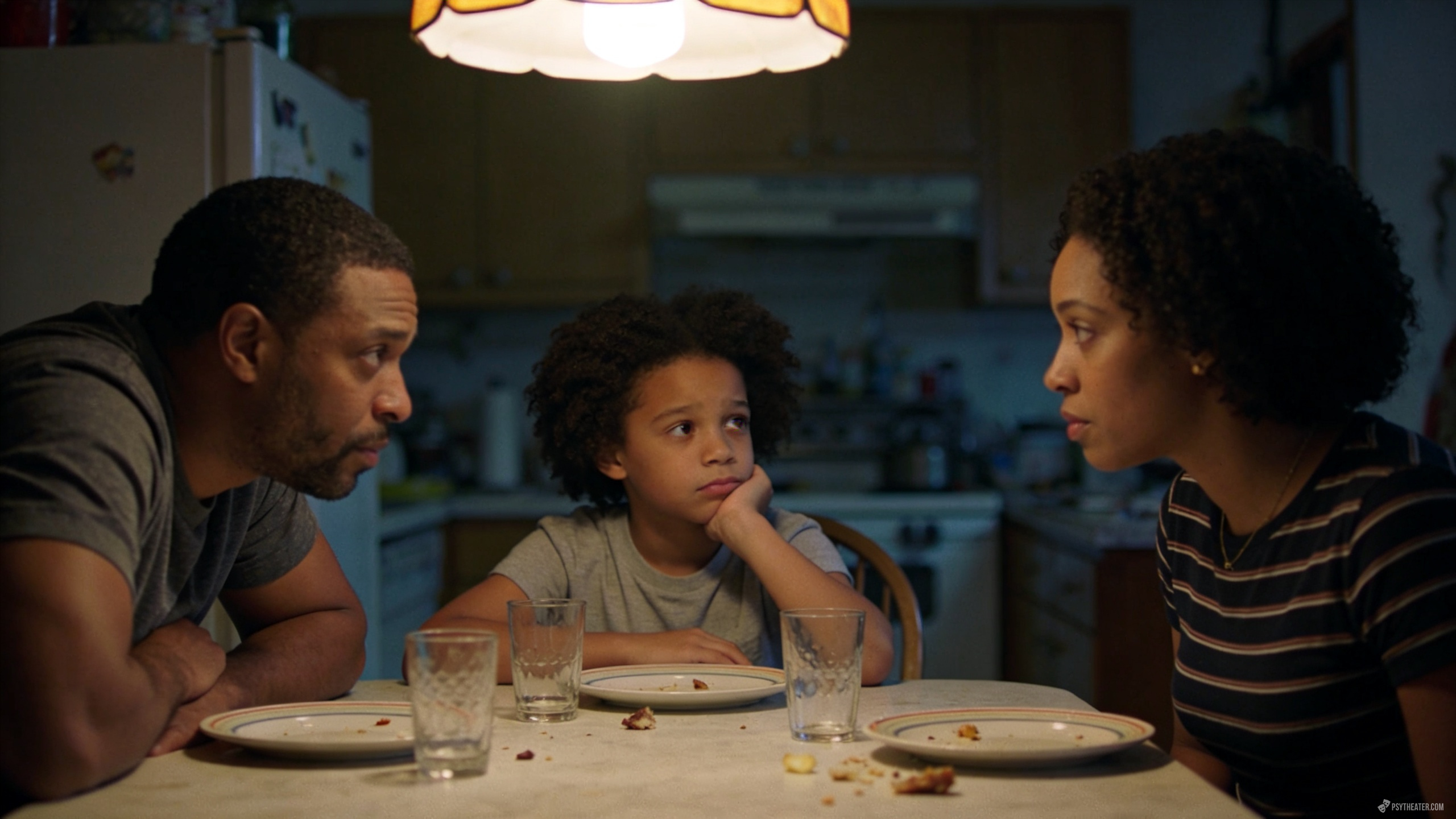
Most people want to believe their lives follow a pattern. If you work hard, make the right choices, and avoid mistakes, things should turn out okay. But reality rarely fits that script. The more you try to control every outcome, the more anxious you may become. According to Psytheater.com, this tension between chaos and order is at the heart of why so many people feel stuck, worried, or exhausted by daily life.
There are two common ways people see the world. Some view life as pure chaos—random, unpredictable, and out of their hands. Others believe everything happens for a reason, that patterns and logic shape every event. Both views have their pitfalls. If you see only chaos, you may feel helpless. If you see only order, you may blame yourself for every setback, convinced you could have prevented it.
Patterns do exist. A woman who keeps ending up with emotionally distant partners is not just unlucky. A man who grew up poor and now can’t relax, always hustling, is not simply driven. These are learned responses, shaped by past experience and the mind’s need for the familiar. Recognizing these patterns can help you understand yourself and make different choices. But seeing patterns everywhere can tip into magical thinking or hyper-control—believing you can prevent all pain if you just do everything right.
This is where anxiety takes root. If you believe every bad thing is your fault, you live in constant tension, scanning for mistakes. You might think, “If I just try harder, nothing bad will happen.” But life doesn’t work that way. Illness, betrayal, loss, and random events happen to everyone, no matter how careful or good they are. The world is not always fair or logical. Trying to control the uncontrollable only deepens the sense of unease.
Yet chaos isn’t all bad. It strips away the illusion that you can master every detail. It forces you to adapt, to accept uncertainty, and to live with the unknown. Sometimes, facing chaos makes people more honest with themselves. Not happier, not more “enlightened,” but more real. Growing up means letting go of the idea that if you do everything right, nothing bad will ever happen. That guarantee doesn’t exist.
The healthiest mindset is not “everything is chaos” or “everything is predetermined.” It’s knowing that while your habits, choices, and emotional patterns shape much of your life, some things will always be out of your hands. Maturity is learning to tell the difference—when to take responsibility and when to accept that the world is not always safe or predictable. Psychological resilience starts not when you control everything, but when you can live alongside uncertainty and still move forward.
In therapy, this distinction often comes up when clients struggle with anxiety, perfectionism, or chronic stress. Cognitive behavioral approaches help people spot unhelpful thinking patterns—like catastrophizing or blaming themselves for random events. Building tolerance for uncertainty is a key skill. Over time, people can learn to recognize what they can change and what they must accept, reducing the grip of anxiety and making room for a more flexible, honest way of living.