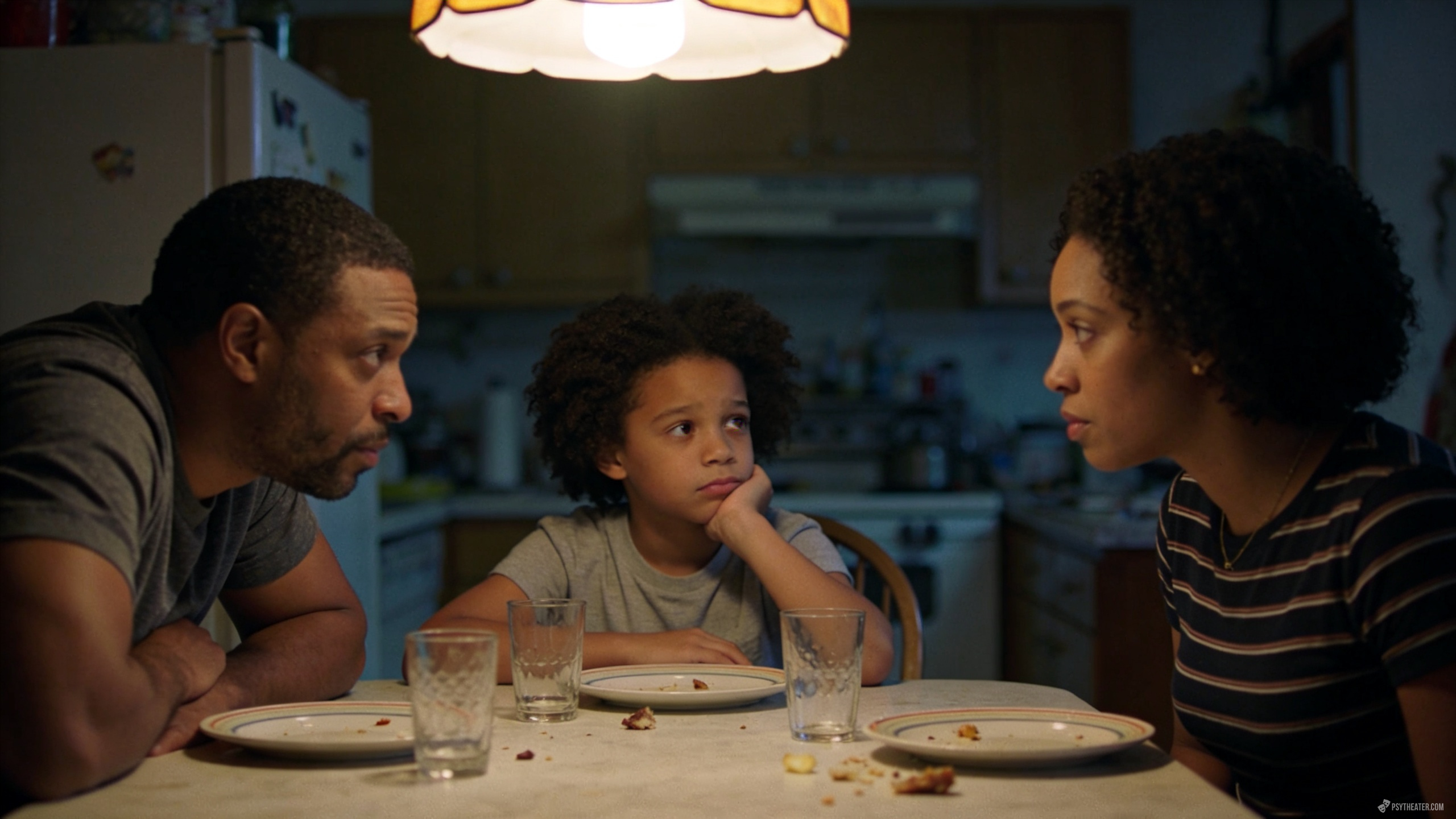
“I can’t stand people anymore.” Since 2020, this phrase has become a refrain in therapy offices across the country. It’s not just a sign of being cranky or antisocial. For many, it’s a warning light: emotional overload, social fatigue, and a brain running on empty. According to the CDC, rates of anxiety and depression have climbed sharply since the pandemic, especially among young adults and women. In this climate of relentless news, digital noise, and constant demands, even a simple text or a coworker’s question can feel like too much.
Psychologists see this not as misanthropy, but as a sign that your emotional balance is under strain. Daily life now means a barrage of micro-demands—work, family, money, conflict, and the endless ping of notifications. Over time, this builds up. Psychiatrist Dr. Michael Andrews explains that mental fatigue erodes patience and makes it harder to regulate emotions. The result: ordinary interactions start to feel intolerable, not because people have changed, but because your capacity to cope is depleted.
Personal boundaries play a role, too. If you struggle to say no, carry heavy family or work responsibilities, or never get time alone, your mental “battery” drains fast. As long as you have reserves, you adapt. But once you’re running on fumes, even a well-meaning request can trigger anger or a desperate need for silence. It’s not that everyone else is suddenly unbearable. Sometimes, it’s your own ability to manage social input that’s worn out.
Who Feels It Most
This kind of social exhaustion doesn’t hit everyone equally. People most at risk include those in burnout, family caregivers, frontline workers, the highly anxious, deeply empathetic, and anyone who’s always online. Burnout leaves you emotionally raw and unable to handle even minor social friction. Caregivers pour so much energy into others that their own needs go unmet. Public-facing professionals—teachers, nurses, retail staff—face a daily flood of interactions that can leave them drained. Anxious people tend to overthink every exchange, adding to their mental load. Highly empathetic individuals absorb others’ emotions, which can be exhausting. And for the hyper-connected, the constant stream of messages and updates means there’s never a true break from social demands.
When to Worry
Liking solitude isn’t a problem. After a tough stretch, seeking quiet is a healthy way to recharge—especially for introverts. But if irritability becomes your default, you lose interest in relationships, or you notice sleep problems, chronic fatigue, anxiety, or a sense of emptiness, it’s time to pay attention. The American Psychiatric Association notes that depression can show up as social withdrawal, emotional hypersensitivity, and a loss of pleasure in connecting with others.
If you find yourself pulling away for weeks, feeling persistent distress, or having dark thoughts, don’t wait it out. Reach out to a primary care doctor, therapist, or psychiatrist. These symptoms can signal depression, anxiety disorders, burnout, or even trauma—all of which deserve real evaluation and support. Treatment isn’t about “fixing” your personality; it’s about restoring your ability to engage with life and others in a way that feels manageable again.
Social fatigue is a growing reality in a hyperconnected world. Recognizing it as a signal—not a flaw—can help you set boundaries, seek help, and protect your mental health before exhaustion turns into something more serious.
One area that often comes up in therapy is the difference between burnout and depression. Burnout is usually tied to chronic stress at work or in caregiving roles, leading to exhaustion, cynicism, and reduced performance. Depression, on the other hand, affects mood, motivation, and pleasure across all areas of life. While the two can overlap, treatment approaches differ. Burnout often responds to changes in workload, boundaries, and rest, while depression may require therapy, medication, or both. Understanding which you’re facing can make all the difference in finding the right support.