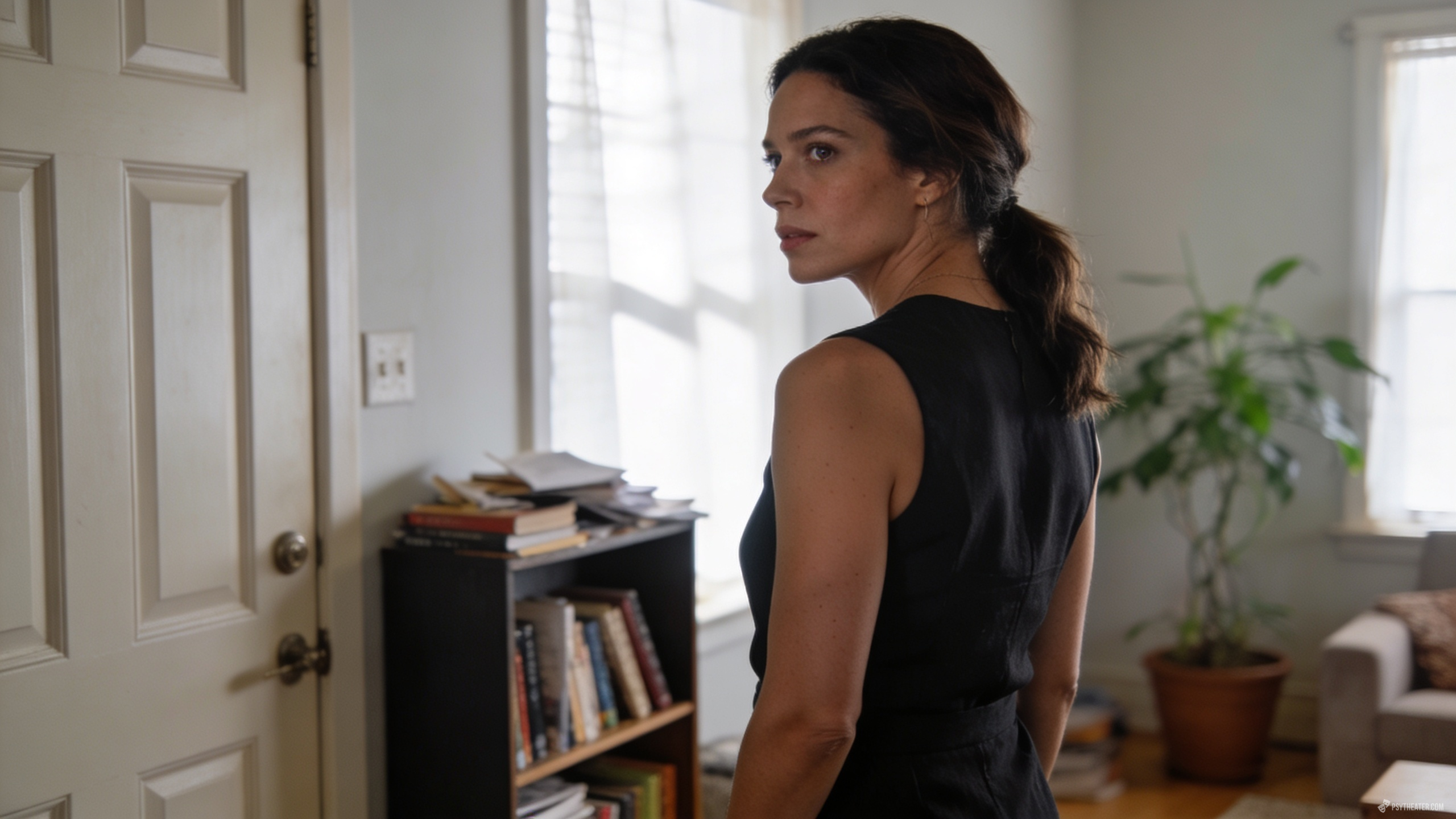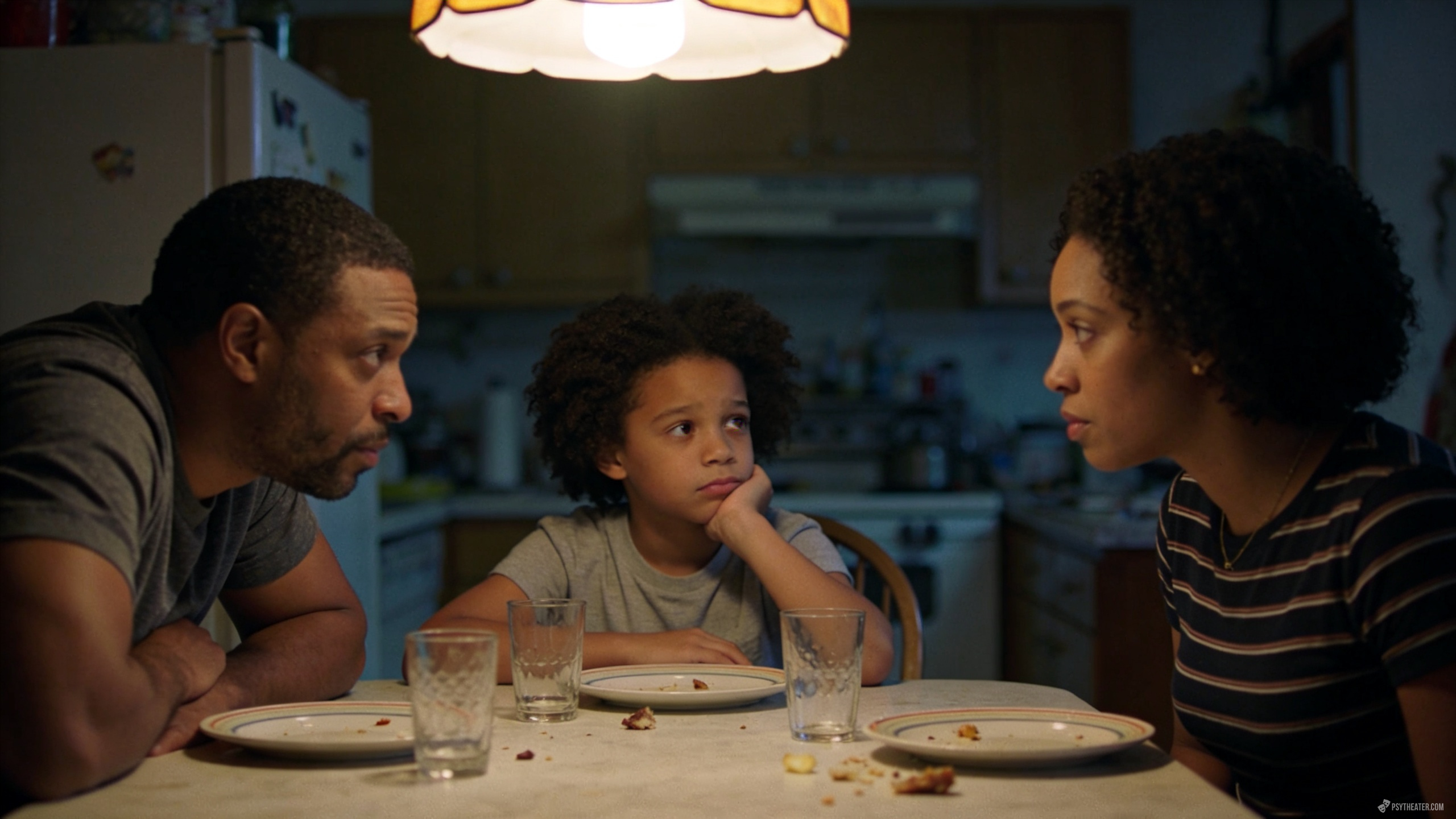
It’s easy to miss the signs of old wounds. A passing comment, a certain smell, or even a single word can trigger a wave of emotion that seems to come out of nowhere. For many, these moments are not just random—they’re echoes of pain that never fully healed. According to Mariefrance, psychologists see these reactions as evidence that childhood trauma can linger, shaping how we respond to stress and relationships long into adulthood.
One phrase stands out in therapy rooms: “It’s not a big deal, others have it worse.” This line, often delivered with eyes cast down, is more than modesty or perspective. It’s a shield. Adults who grew up with emotional wounds often use it to minimize their own suffering, unconsciously protecting themselves from the risk of further hurt. This habit of downplaying pain is a survival strategy learned early, especially by those who felt alone or unsupported as children.
These adults are easy to spot if you know what to look for. They’re the ones who apologize for everything, who go out of their way to please, who rarely ask for help. Their over-adaptation is not just politeness—it’s a learned response to avoid conflict or rejection. As Mariefrance reports, phrases like “I’m not good enough” or “I can’t do it” often point to a deep lack of self-confidence rooted in childhood experiences. Others might say, “I don’t deserve this gift or compliment,” revealing a struggle to accept affection or recognition. These patterns are not quirks—they’re scars.
Children who grow up feeling emotionally unsafe often learn to mute their feelings. By minimizing their own distress, they try to make it more bearable. But this coping style doesn’t disappear with age. Instead, it can morph into chronic self-doubt, difficulty trusting others, and a persistent sense of unworthiness. The adult who shrugs off their pain is often the child who learned that their feelings didn’t matter.
Healing these wounds is possible, but it rarely happens alone. Support from friends and family is crucial. Active listening—really hearing someone, not just waiting for your turn to speak—can help a person reconnect with their own emotions and achievements. Encouragement to express feelings and recognize small victories can slowly rebuild a damaged self-image. As Mariefrance notes, this kind of support fills the gap left by what was missing during the original trauma.
For deeper wounds, professional help is often needed. A skilled therapist can guide someone through the process of identifying old patterns, understanding their origins, and learning new ways to cope. The goal isn’t to relive the trauma, but to reclaim the narrative and loosen the grip of invisible scars. Therapy can help people find stability, tap into their own resilience, and move forward with a clearer sense of self.
Many people who struggle with self-worth or chronic self-blame don’t realize how much their childhood shapes their adult life. Recognizing these patterns is the first step toward change. With the right support, it’s possible to break free from the old scripts and build a life that feels more authentic and less burdened by the past.
In the field of trauma therapy, clinicians pay close attention to the subtle ways people protect themselves from pain. Techniques like cognitive behavioral therapy, EMDR, and trauma-informed care are designed to help clients process difficult memories without becoming overwhelmed. The focus is on building safety, trust, and self-compassion—key ingredients for lasting recovery. Understanding the roots of self-minimizing language can open the door to deeper healing and more honest relationships, both with others and with oneself.