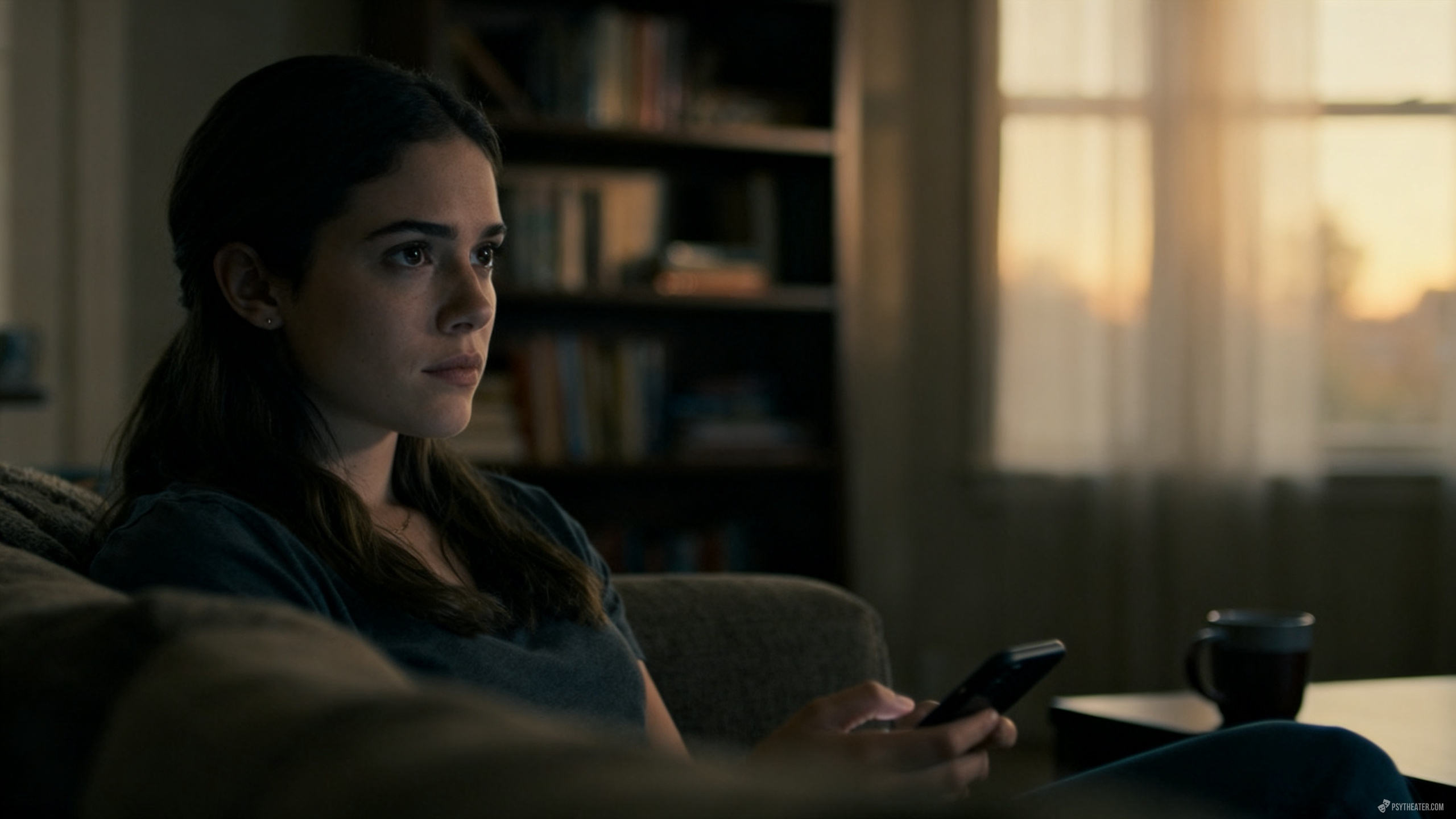
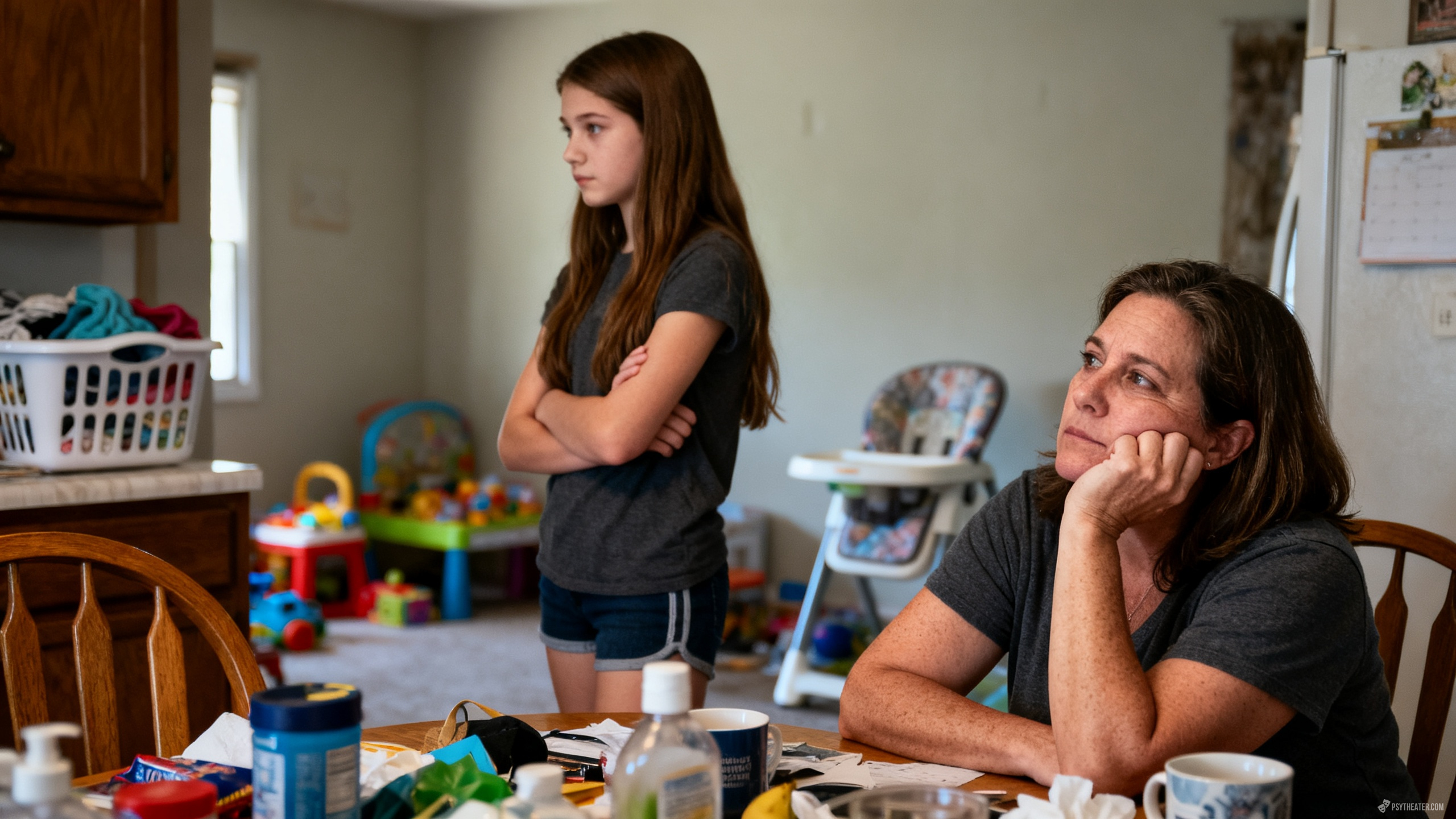
Anxiety rarely announces itself as panic or dread. More often, it slips in as a voice of reason—urging you to wait, to prepare, to hold off just a little longer. It feels like caution, like being smart about risk. But according to Psytheater.com, anxiety’s real power is in how it shapes your choices, often without you noticing. Over time, it becomes a silent tax on your life, quietly raising the price you pay for safety and certainty.
Financial Fallout
People who live with chronic anxiety often believe they’re being rational. They double-check, over-prepare, and hesitate to act. The logic seems airtight: Don’t ask for a raise yet, the timing isn’t right for a career move, wait until you’re more qualified. But this pattern rarely leads to direct financial loss. Instead, it blocks you from earning what you could. Years pass in a holding pattern—reading, researching, waiting for the perfect moment. The result? Missed opportunities, not mistakes, become the biggest financial regret. The cost isn’t in what you lose, but in what you never let yourself gain.
Health on Hold
From a neurological perspective, anxiety keeps your body in a state of constant alert. The brain doesn’t always distinguish between real threats and imagined ones. If you spend your days running worst-case scenarios, your body reacts as if those threats are happening now. Heart rate rises, muscles tense, cortisol surges. In the short term, this response is adaptive. But when it becomes a daily state, exhaustion sets in. Sleep suffers. Focus slips. Many describe feeling “always on edge,” as if their body is burning energy just to stay upright. The toll is cumulative, and the body pays for battles that exist only in the mind.
Relationship Strain
The most subtle damage anxiety does is in relationships. Healthy intimacy is built on trust, but anxiety is built on control. When anxiety runs the show, relationships shift from connection to surveillance. You start reading into every text, every tone, every pause. You look for signs of trouble, even when none exist. If you’ve been hurt before, your mind scans for patterns, trying to prevent pain by spotting it early. But this vigilance pulls you out of the present. Instead of being with your partner, you’re bracing for loss or conflict. The irony is that the effort to avoid pain often creates the very tension that erodes closeness. Intimacy needs openness; anxiety demands guarantees. Love doesn’t offer those.
The Real Loss
When people first recognize anxiety’s impact, they focus on money, health, or relationships. But the deepest loss is less obvious: anxiety steals your ability to live in the present. It keeps you mentally in the future, solving problems that haven’t happened, rehearsing conversations that never occur, fearing outcomes that may never come. Life becomes a series of preparations for a moment that never arrives—the day it’s finally safe, certain, or secure. But that day doesn’t exist. The promise of control is an illusion, and the cost is the life you postpone while waiting for it.
One question cuts to the heart of the matter: How many of your choices were made because you truly wanted them, and how many because you were trying to avoid what you feared? The answer often reveals the true price of anxiety.
In clinical practice, anxiety is not just a feeling but a pattern that shapes behavior, relationships, and even physical health. Treatment often involves helping people notice these patterns, challenge the logic anxiety uses to justify itself, and gradually reclaim the ability to act in the face of uncertainty. Cognitive-behavioral therapy, mindfulness-based approaches, and sometimes medication can all play a role. The goal isn’t to eliminate anxiety, but to stop letting it run your life from the shadows.