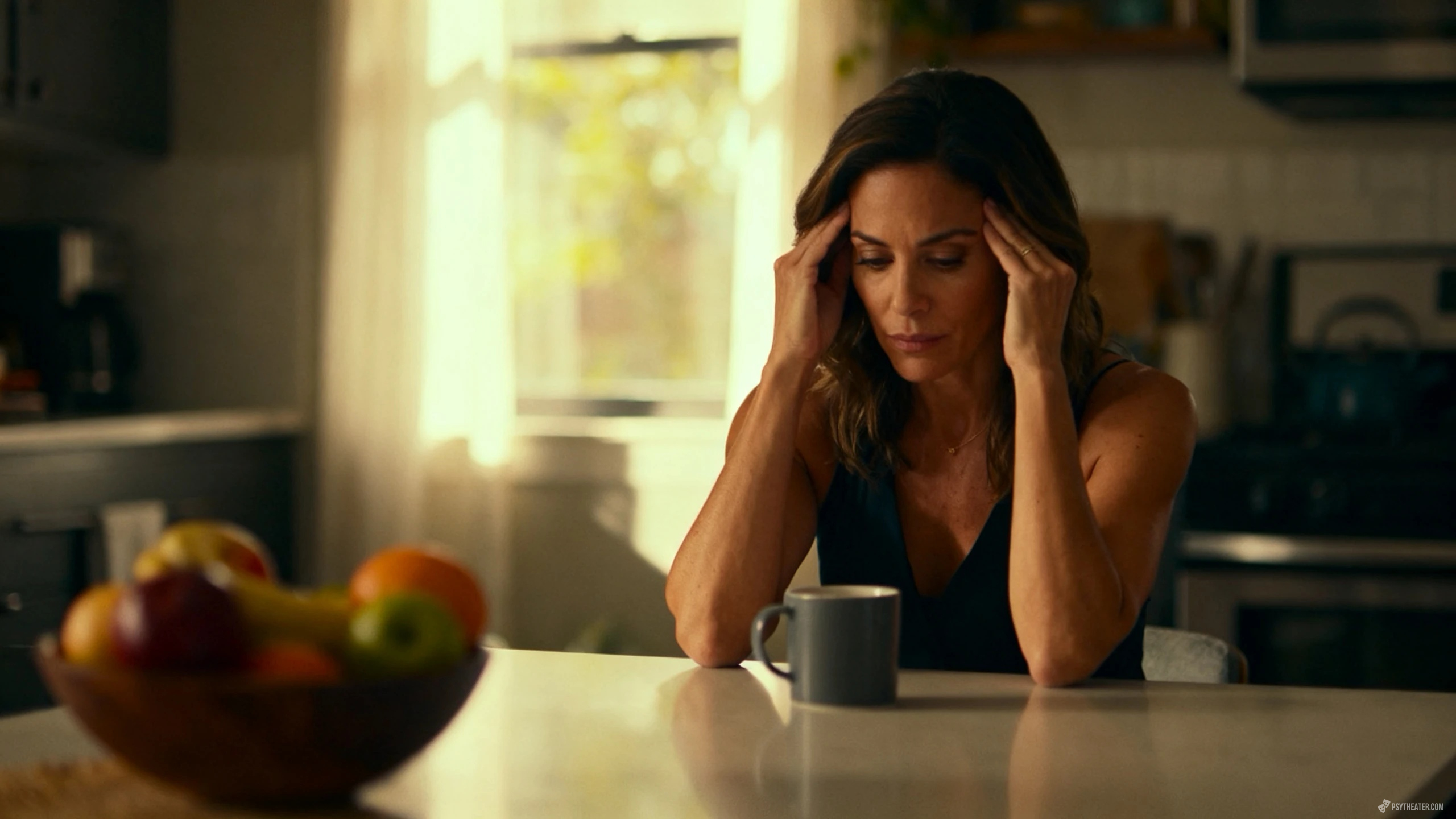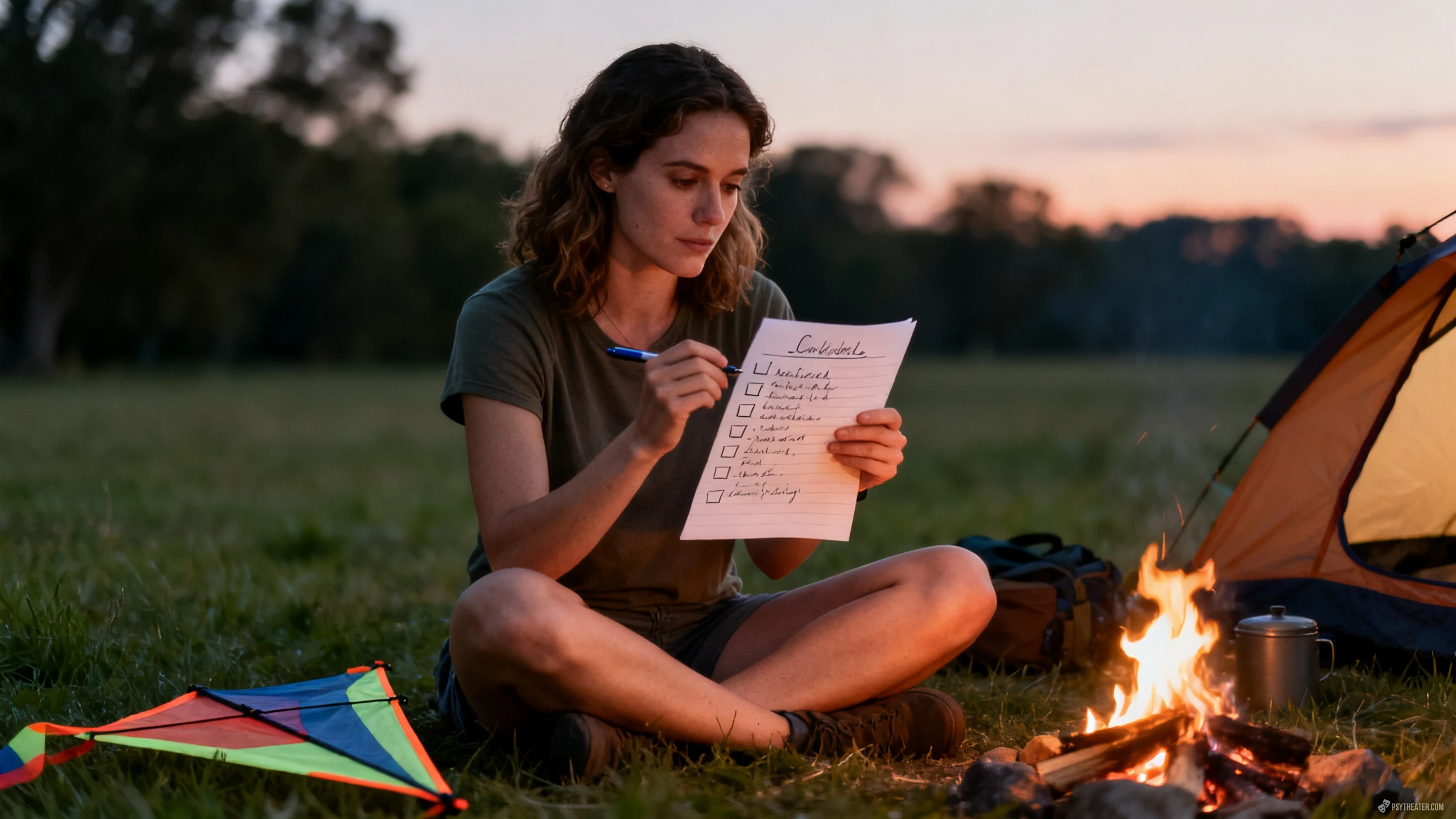
Most of us remember the thrill of summer as a kid: the sense that anything could happen, the freedom to invent your own rules, the urge to try something just because it sounded wild. But somewhere between adolescence and adulthood, that spirit gets buried under deadlines, digital distractions, and the pressure to always be productive. According to Psytheater.com, reviving the classic adventure checklist—originally meant for kids—can be a powerful tool for adults who feel stuck, restless, or numb from routine.
The original guide was designed for children under 13, but its core ideas hold up at any age. The list includes simple, analog experiences: building a campfire, watching the stars, sleeping in a tent, flying a kite, writing and mailing a real letter, or taking a walk in the rain. These aren’t just nostalgic throwbacks. They’re deliberate interruptions to the autopilot of modern life, forcing us to engage our senses, improvise, and connect with the world beyond our screens. The 2017 version of the list has been updated with new challenges that push even seasoned adults out of their comfort zones.
Some of the additions are playful—organizing a Secret Santa in July, eating five ice creams in a day, or spending a full day saying “yes” to every invitation. Others are more reflective: spending 24 hours offline, interviewing someone 70 years older, or writing a letter to your future self and hiding it for a decade. There’s a focus on social connection, too: making a mini-project that helps others, doing unexpected kindnesses for strangers, or meeting three new people in a single day. The list even dares you to live one day with no rules, or to set a personal record that beats your own best effort.
What stands out is the way these activities target the core symptoms of adult burnout and emotional flatness. They disrupt the cycle of digital dependency, force real-world interaction, and create space for novelty and risk. The list doesn’t promise transformation, but it does offer a structure for rediscovering agency and pleasure in daily life. It’s not about chasing childhood, but about reclaiming the parts of ourselves that thrive on curiosity, surprise, and connection.
For families, the checklist can become a shared summer project, but it works just as well for solo adults or friend groups. There’s no hierarchy—no activity is more “important” than another. The point is to break the inertia of sameness, to let yourself be a beginner, and to remember that adventure isn’t just for kids. Even the act of brainstorming your own additions to the list can be a creative reset, a way to notice what you’ve been missing or avoiding.
Some items are intentionally impractical or silly—like staying up all night to count shooting stars, or burying a “treasure” and posting its location online for strangers to find. Others are about habit change: inventing a new positive routine and sticking with it for 21 days, or spending a day shopping until your basket is full or your budget runs out. The list ends at 33 ideas, but the invitation is open-ended: what would you add, and what’s stopping you?
Many adults struggle to distinguish between stress, burnout, and emotional numbness. While stress is a response to pressure, burnout is a state of chronic exhaustion and detachment, and numbness is the loss of emotional range. Adventure lists like these don’t replace therapy or medical care, but they can help disrupt patterns that keep us stuck. By deliberately seeking out new experiences, we activate parts of the brain linked to motivation and pleasure, and we remind ourselves that change is possible—even in small, playful ways.