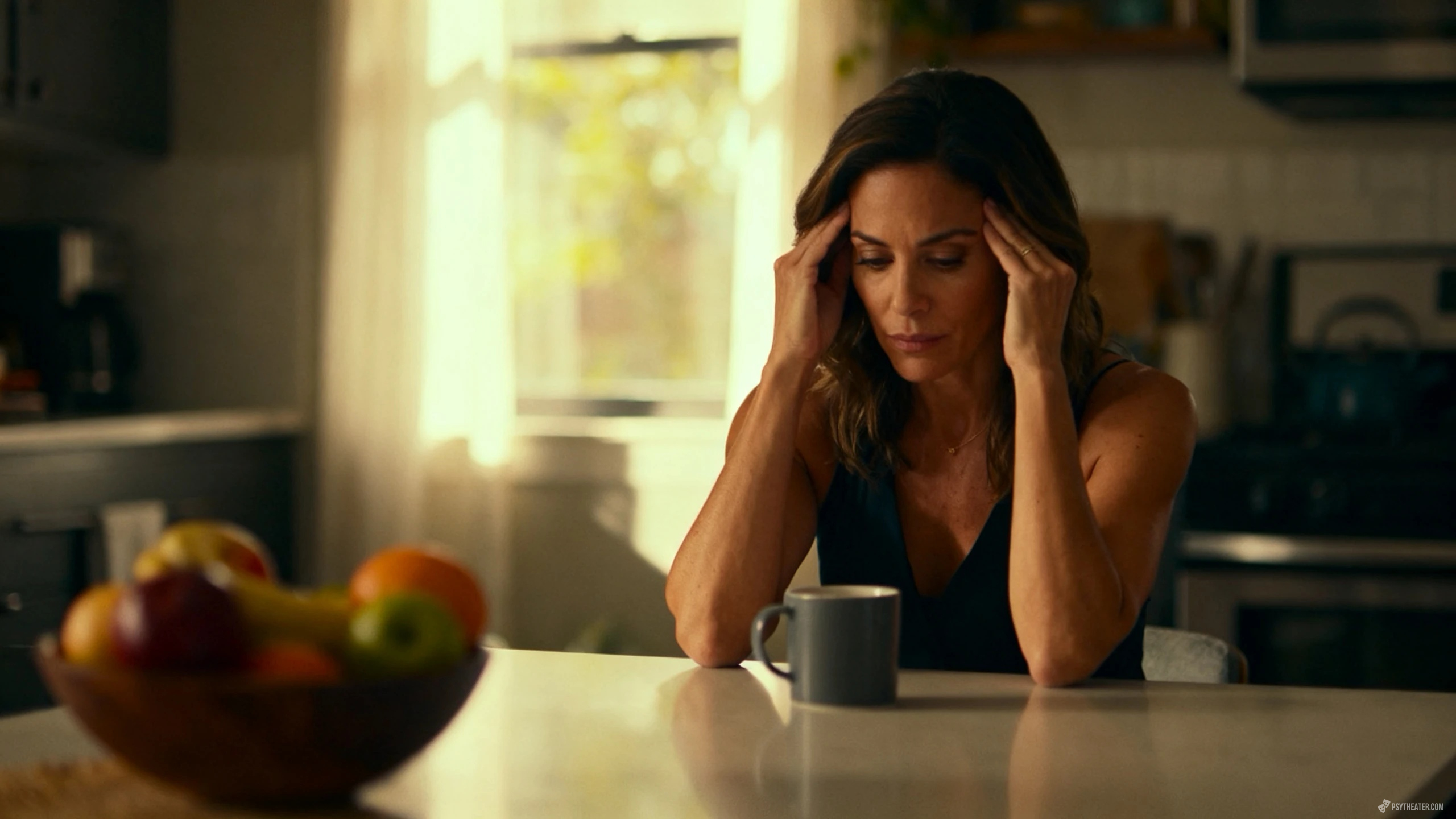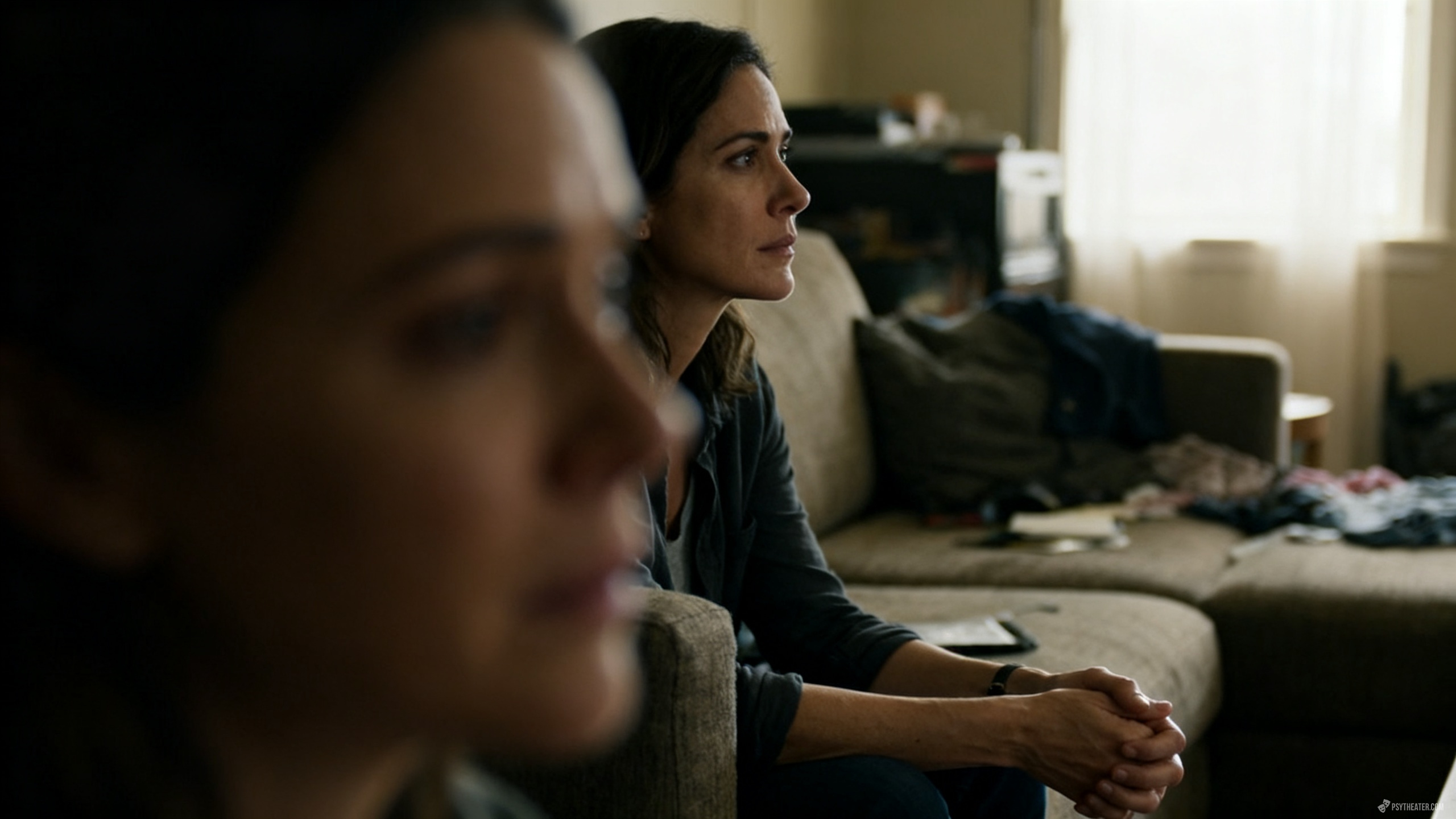
Some adults never stop feeling the sting of childhood resentment toward their parents. The memories may fade, but the emotional charge often lingers, shaping how we relate to others and ourselves. According to Psytheater.com, this isn’t just a matter of holding a grudge—it’s a complex mix of biology, psychology, and social learning that can persist for decades.
Early experiences with parents or caregivers are encoded in the brain differently than other memories. When a child feels threatened, rejected, or deeply hurt by a parent, the brain treats it as a threat to survival. These moments become emotionally charged and can resurface in adulthood, especially in situations that echo the original pain. Even if we can’t recall the details, our bodies and emotions remember. Triggers might show up as a sharp reaction to criticism or shutting down when someone raises their voice.
Attachment theory helps explain why these wounds are so sticky. If a parent was unpredictable, cold, or harsh, a child learns to expect the same from others—and from themselves. These patterns become internal scripts, guiding adult relationships and self-image. Gestalt psychology adds that unfinished emotional business from childhood keeps pulling us back, draining energy until we find a way to process or resolve it. Sometimes, the pain is less about anger and more about grief for the parent or childhood we never had.
Content:
Types of Parental Hurt
Not all childhood resentments are the same. Common categories include feeling emotionally ignored (“No one listened to me”), being micromanaged (“I wasn’t allowed to make my own choices”), facing unfairness or favoritism (“My sibling was always the favorite”), lacking protection (“No one defended me when I needed it”), being shamed or criticized (“They attacked my character, not my actions”), or sensing love was conditional (“I was only valued for achievements”).
Most adults carry at least one unresolved complaint against a parent. This is normal. It only becomes a problem when resentment dominates your emotional life, shapes your identity as a victim, or blocks healthy relationships. The line between normal and pathological isn’t the presence of hurt, but whether it controls you—or you control it.
Forgiveness and Moving Forward
Forgiveness isn’t a requirement for mental health. What matters is being able to look at your resentment from different angles: how it shaped you, how it shows up now, and whether it still fits your life. Sometimes, reconstructing childhood memories reveals that parents acted out of their own limitations, not malice. Trying to force forgiveness can backfire, pushing the pain deeper. Instead, clarity and honest reflection help loosen resentment’s grip.
Practical steps include naming the hurt as specifically as possible, separating the parent as a person from the parent as a role, and writing an unsent letter expressing everything you never said. Shifting focus from “what they did” to “how it affected me” can reveal whether the old pain still matters or is just a habit. Often, beneath resentment lies grief—mourning the parent you needed but didn’t have. Allowing yourself to feel that loss is a key step toward healing.
When Adult Children Confront Parents
Parents often feel attacked when grown children bring up old wounds. The worst responses are defensiveness, denial, or counter-accusations, which only deepen the divide. Instead, experts recommend pausing to manage your own reaction, listening to what hurt your child, and acknowledging what’s true—even if it’s painful. Don’t demand instant forgiveness. If both sides can take responsibility and accept each other’s feelings, relationships can become less burdened by guilt and resentment.
Sometimes, adult children’s accusations are justified—especially when they point to repeated patterns or lasting consequences in their own lives. Other times, blame is misplaced, especially if it ignores the realities of family hardship or adult choices. Most families contain both real mistakes and unfair accusations. Navigating this requires honesty and humility from everyone involved.
When to Seek Professional Help
If resentment toward your parents takes up too much mental space, interferes with work or relationships, or triggers chronic anger, depression, or numbness, it may be time to seek therapy. Professional help is also crucial if you feel stuck, experienced abuse, or ongoing contact with parents is painful and conflict-ridden. For parents, therapy can help if conflict with an adult child feels hopeless or guilt becomes overwhelming.
Therapists can help untangle the past from the present, identify patterns, and build new ways of relating. The goal isn’t to erase the past, but to reclaim your life from its grip.
Attachment wounds are a major focus in modern therapy. These early relational injuries shape how we trust, connect, and handle conflict as adults. Treatment often involves exploring the original hurt, building emotional awareness, and practicing new ways of relating. While the past can’t be changed, the patterns it set in motion can be understood and, with time, transformed.