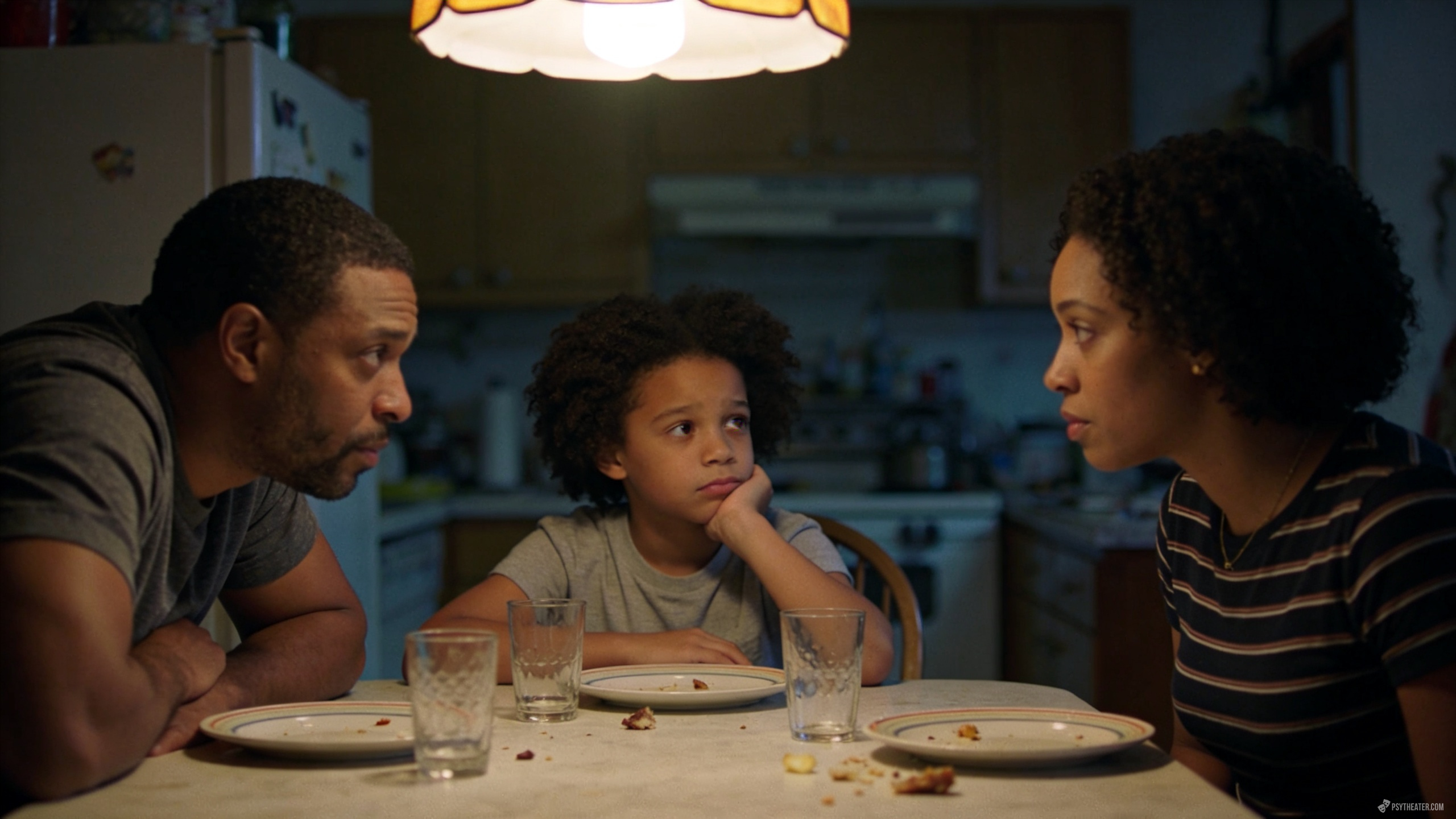
Emily never thought she’d be here—sitting alone in her apartment, replaying the last conversation she had with her boyfriend before he was sentenced to seven years in prison. He was a military contractor, and while they’d been together for years, they’d never made it official. She always knew the risk was there, that one day the authorities might catch up with him. But knowing something is possible doesn’t prepare you for the moment it becomes real. Now, with no contact allowed and no certainty about parole, she’s left with a sense of injustice and a future that feels erased.
According to Psytheater.com, what Emily is experiencing isn’t just sadness—it’s a form of grief. When someone you love is suddenly removed from your life, even if they’re still alive, it can trigger the same psychological process as bereavement. The loss isn’t only about the person; it’s about the life you imagined, the routines you shared, and the plans you made. The mind struggles to process the abrupt change, and the body reacts with confusion, anxiety, and sometimes even physical symptoms.
Grief doesn’t follow a straight line. The first stage is often denial—a numb disbelief that this is really happening. For Emily, the days after the sentencing felt like a bad dream she couldn’t wake up from. Next comes bargaining, the desperate mental search for a way to undo what’s happened. Maybe there’s a loophole, a missed detail, a way to turn back time. When that fails, anger sets in. The system feels unfair, the punishment too harsh, and the helplessness overwhelming. These emotions are not only normal—they’re necessary. Suppressing them can make the pain last longer.
Eventually, the anger gives way to a heavy sadness. This is the depressive phase, where the reality of the loss settles in. It’s not just about missing her boyfriend; it’s about mourning the version of her life that no longer exists. Experts stress the importance of letting these feelings surface. Trying to rush through grief or “fix” yourself only prolongs the process. There’s no shortcut to acceptance, and no timeline for when the pain will ease. But with time, the sharpness of the loss dulls, and a new sense of normal can begin to form.
Support is crucial during this period. Friends and family may not fully understand, especially when the loss is tied to incarceration rather than death. Still, reaching out—whether to a therapist, a support group, or even online communities—can help break the isolation. Small acts of self-care, like keeping a routine or finding moments of calm, can also make a difference. The goal isn’t to erase the pain, but to learn how to live with it, one day at a time.
Incarceration of a loved one is a unique kind of trauma that often goes unrecognized. The stigma can make it harder to seek help, and the lack of closure can complicate the grieving process. Mental health professionals note that ambiguous loss—when someone is physically absent but emotionally present—can be especially hard to process. Therapy approaches for this kind of grief often focus on building resilience, finding new sources of meaning, and learning to tolerate uncertainty. While the pain may never fully disappear, it is possible to rebuild a sense of self and purpose, even in the shadow of loss.