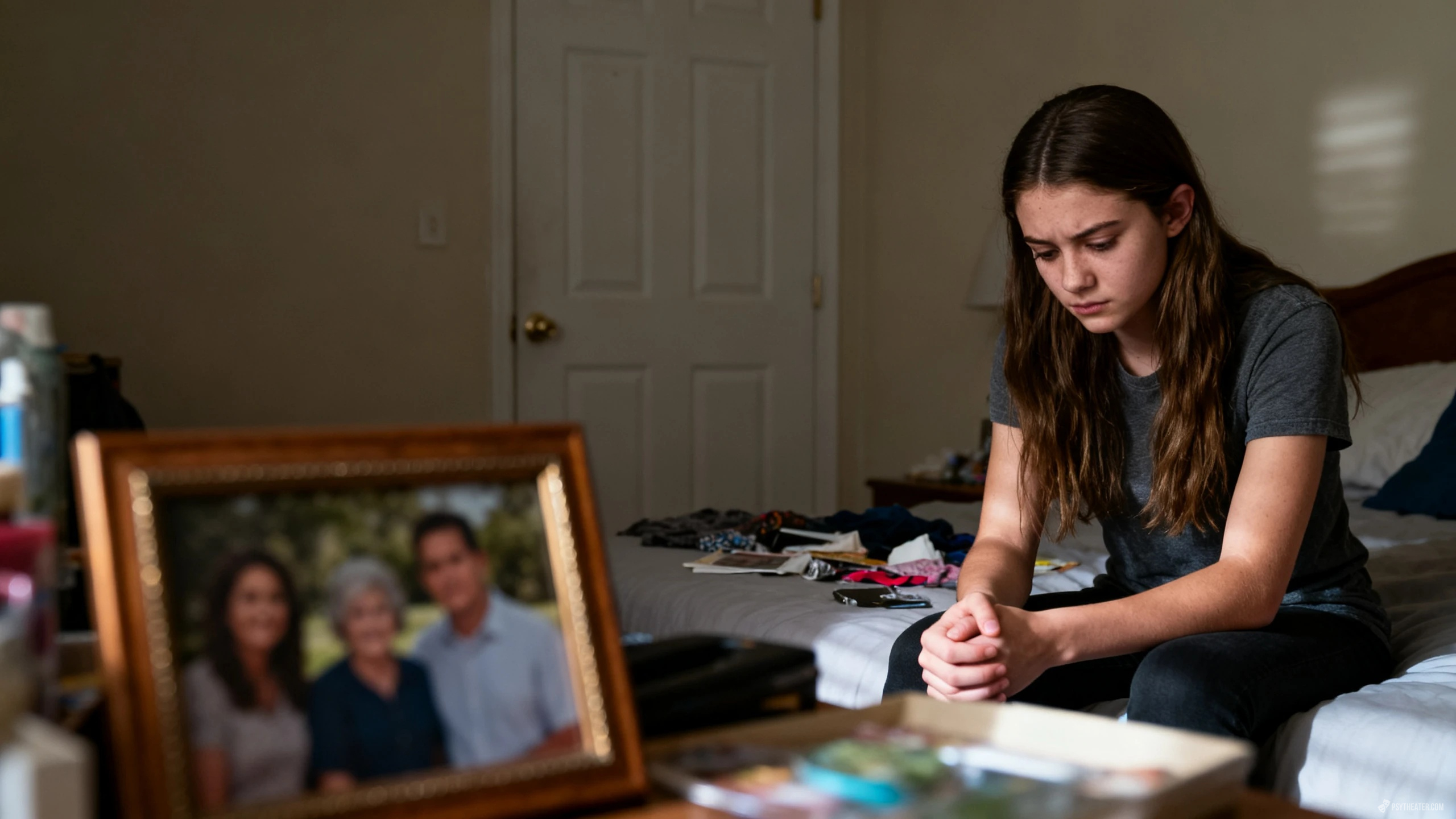
Yesterday, in a quiet American suburb, a child beat a cat to death with a stick. Teenagers tried to intervene, but the animal died from its injuries. The story, first reported by local news, has set off a wave of outrage online. People are asking: How could this happen? What should be done? And, inevitably, some voices urge compassion for the child, suggesting trauma or a troubled home life must be to blame.
Let’s pause. There’s a persistent idea in our culture that every act of cruelty is rooted in pain—that every perpetrator is, at heart, a victim. Sometimes that’s true. Many who harm others have suffered themselves. But not always. And even when it is true, it doesn’t erase the harm done. The cat’s suffering isn’t lessened by the child’s backstory. The pain is real, and it’s final.
As psychologists, we’re trained to look for causes. We search for trauma, for patterns, for explanations. But explanation is not the same as justification. Understanding why someone acts with cruelty doesn’t mean we excuse it—or that we should. Some forms of sadism are not simply the result of trauma or neglect. There are people who seem to lack empathy at a fundamental level. In psychiatry, this is called a personality disorder with sadistic traits. In everyday language, we call it a lack of humanity.
And there are more of these people than we’d like to admit. Not all of them commit obvious acts of violence. Some simply disregard the feelings of others, minimize pain, or drain the life out of those around them. Sadism isn’t always physical. Sometimes it’s emotional, subtle, or woven into daily life. The inability to recognize or care about another’s suffering is a warning sign, not a quirk.
Empathy and Its Limits
Recently, I rewatched the film “Patsany” by Dinara Asanova, a story about troubled teens and the adults who try to save them through work and compassion. The film’s idealistic vision of redemption through care is powerful, but after nearly three decades working in education, I find it incomplete. Some children, no matter how much support they receive, resist change. They take, hurt, and humiliate because they want to, not because they don’t know better.
It’s tempting to believe that every child can be reached, that every act of cruelty is a cry for help. But reality is messier. Some young people show patterns of behavior that don’t respond to kindness or structure. They don’t want to change. They don’t see a problem. And the rest of us are left to grapple with the fallout—victims who can’t defend themselves, classmates who are bullied, teachers who are disrespected, and a community that feels powerless.
True empathy isn’t about understanding the person who causes harm. It’s about protecting those who are harmed. When we focus all our energy on the perpetrator, we risk forgetting the victim. There are acts after which a person forfeits the right to be seen as just a child in need. Beating a defenseless animal to death is one of them.
Accountability and Protection
I don’t believe in the easy redemption of sadists. I believe in consequences. I believe in protecting those who can’t protect themselves. Our collective outrage at cruelty is not a flaw—it’s a healthy response to evil. It’s the part of us that says: This is not acceptable. This cannot be excused. This must not be allowed to happen again.
Imagine if it were your pet. Would you still look for reasons to excuse the act? Or would you demand action? The answer matters, because what we tolerate shapes what happens next. The worst thing we can do is look away, pretend it doesn’t matter, or hide behind euphemisms. A sadist is a sadist. A killer is a killer. The cat will not come back. But we can make sure its death is not ignored.
We have the power—and the responsibility—to demand investigations, to push for accountability, and to protect the vulnerable. Too often, cruelty by children is dismissed as a phase or a symptom. But the victims—whether animals, classmates, or anyone weaker—deserve better. Our laws and our communities must reflect that.
According to Psytheater.com, the number of such cases is far higher than most realize. Animal cruelty, bullying, and abuse often go unpunished because the perpetrators are young. But age does not erase harm. It’s up to us to draw the line.
In the end, the only way to honor the victims—animal or human—is to stop excusing those who harm them. We owe it to every defenseless creature, and to ourselves, to call cruelty what it is and to act accordingly.
Personality disorders with sadistic traits are a complex and controversial area in psychiatry. While some individuals with these patterns may have histories of trauma or neglect, research shows that not all cases can be traced to environment alone. The absence of empathy, persistent disregard for others, and repeated acts of cruelty are key markers. Treatment is challenging and outcomes are often limited. Early intervention, clear boundaries, and community vigilance remain the most effective tools for prevention and protection.