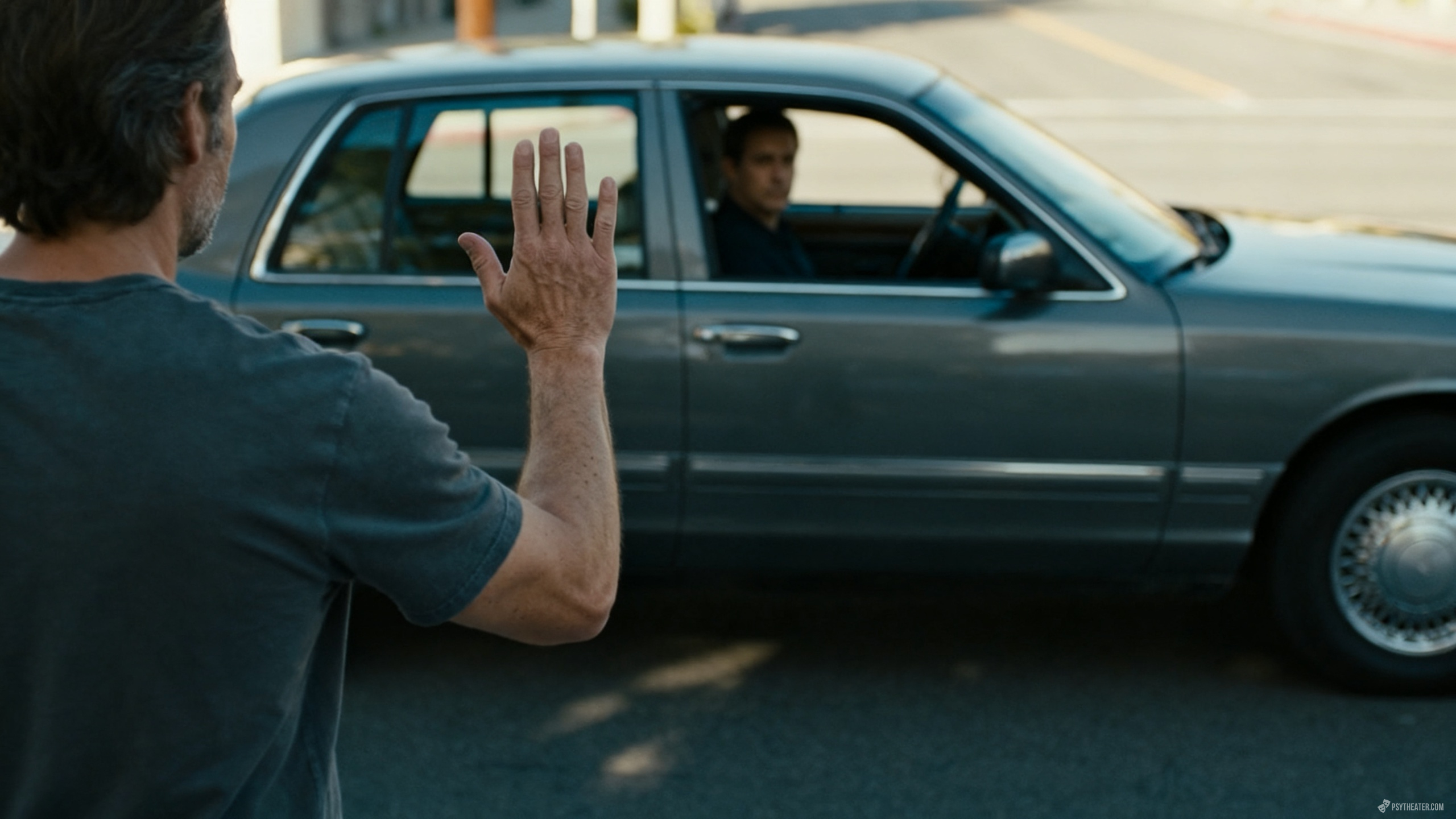
Raising a hand, flashing a quick smile, or nodding at a driver who stops at a crosswalk—these gestures last only a moment, but they’re deeply familiar to anyone who spends time on American streets. Some pedestrians cross without acknowledgment, while others nearly always offer a sign of thanks. It’s easy to dismiss this as a minor habit, but according to psychologists, these small acts can reveal how we relate to others in public life.
Thanking a driver isn’t just about following childhood lessons in politeness. In psychological terms, it’s a prosocial behavior—an action that smooths group living and makes daily exchanges easier, even among strangers. As Mariefrance reports, when a pedestrian thanks a driver for stopping (even though the driver is simply following the law), it’s a way of recognizing the other person’s effort. The moment becomes more than a transaction; it’s a brief, human interaction in a space that’s often impersonal.
Empathy in Everyday Life
People who thank drivers tend to notice the small efforts others make, even when those efforts are expected. A driver slows down, waits, and sometimes navigates heavy traffic to let someone cross. For some, this doesn’t go unnoticed. Their gesture—a wave or a nod—signals, “I saw what you did, and I appreciate it.” These micro-acknowledgments are often signs of heightened social sensitivity and empathy.
This habit also points to emotional intelligence. Those who regularly thank drivers seem attuned to the subtle, unspoken codes that shape daily life. They know that a glance, a smile, or a small gesture can ease tension in situations that might otherwise feel cold or transactional. On the road, where stress can spike between drivers, cyclists, and pedestrians, these gestures act as small regulators. They don’t erase conflict, but they inject a moment of recognition into a rushed, anonymous environment.
Gratitude and Mutual Respect
Gratitude is another trait linked to this behavior. Thanking someone for an expected action isn’t about being exceptionally kind or moral. It’s about not taking daily courtesies for granted. People who thank drivers often extend this habit to other areas: they thank servers, door holders, and anyone who makes life a bit easier. It’s not calculated; it’s a natural social language.
This behavior also reflects how people view collective rules. Crossing at a crosswalk is already a shared agreement: pedestrians have the right of way, drivers must stop. But those who thank drivers add a relational layer to the rule. They see not just a legal obligation, but a form of cooperation. Each person plays a part in keeping things running smoothly. In this context, a thank you becomes a small mark of mutual respect—a reminder that the street is a shared space, not just a thoroughfare.
Social Codes and Urban Life
Psychologists also point to spontaneous politeness and social cooperation as underlying factors. It’s important not to overinterpret: someone who doesn’t thank a driver isn’t necessarily rude or indifferent. They might be distracted, shy, in a hurry, or from a background where this gesture isn’t common. Others may thank drivers simply out of habit. But when the gesture is regular, natural, and sincere, it often signals a deeper attention to the small interactions that make life among strangers more bearable.
In cities where movement is increasingly tense and hurried, these gestures take on unexpected weight. Thanking a driver at a crosswalk won’t change the world, but it can shift the quality of a shared moment. It’s a simple way to remind ourselves that behind the windshield and on the sidewalk, there are people—not just road users. Sometimes, that small act says more than we realize.
Social psychologists have long studied the impact of micro-interactions on urban life. These fleeting exchanges—eye contact, a nod, a wave—can reduce stress, lower aggression, and foster a sense of community, even in crowded cities. While not a substitute for deeper connection, these moments help maintain the social fabric that keeps public spaces functional and, at times, even humane.