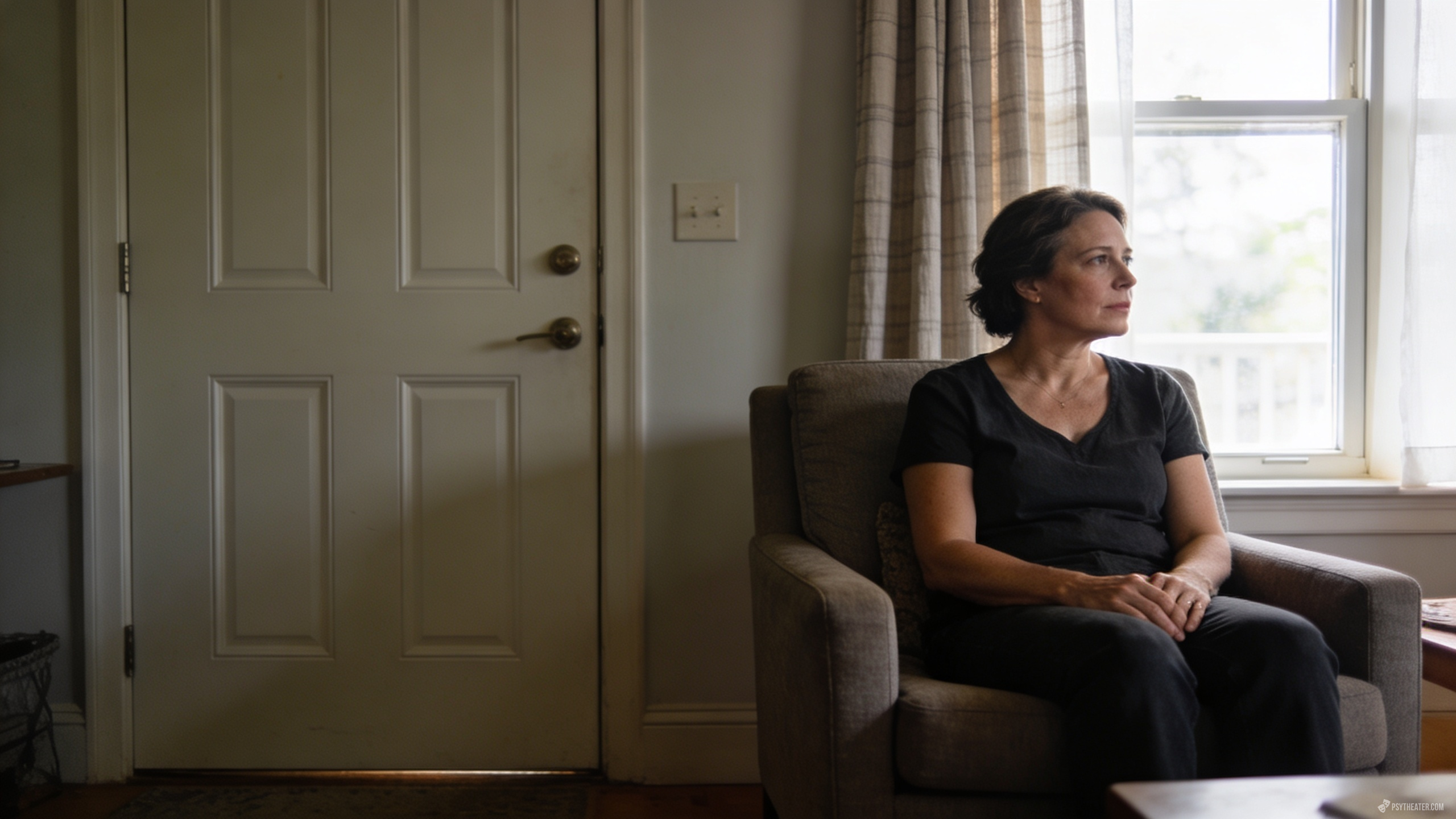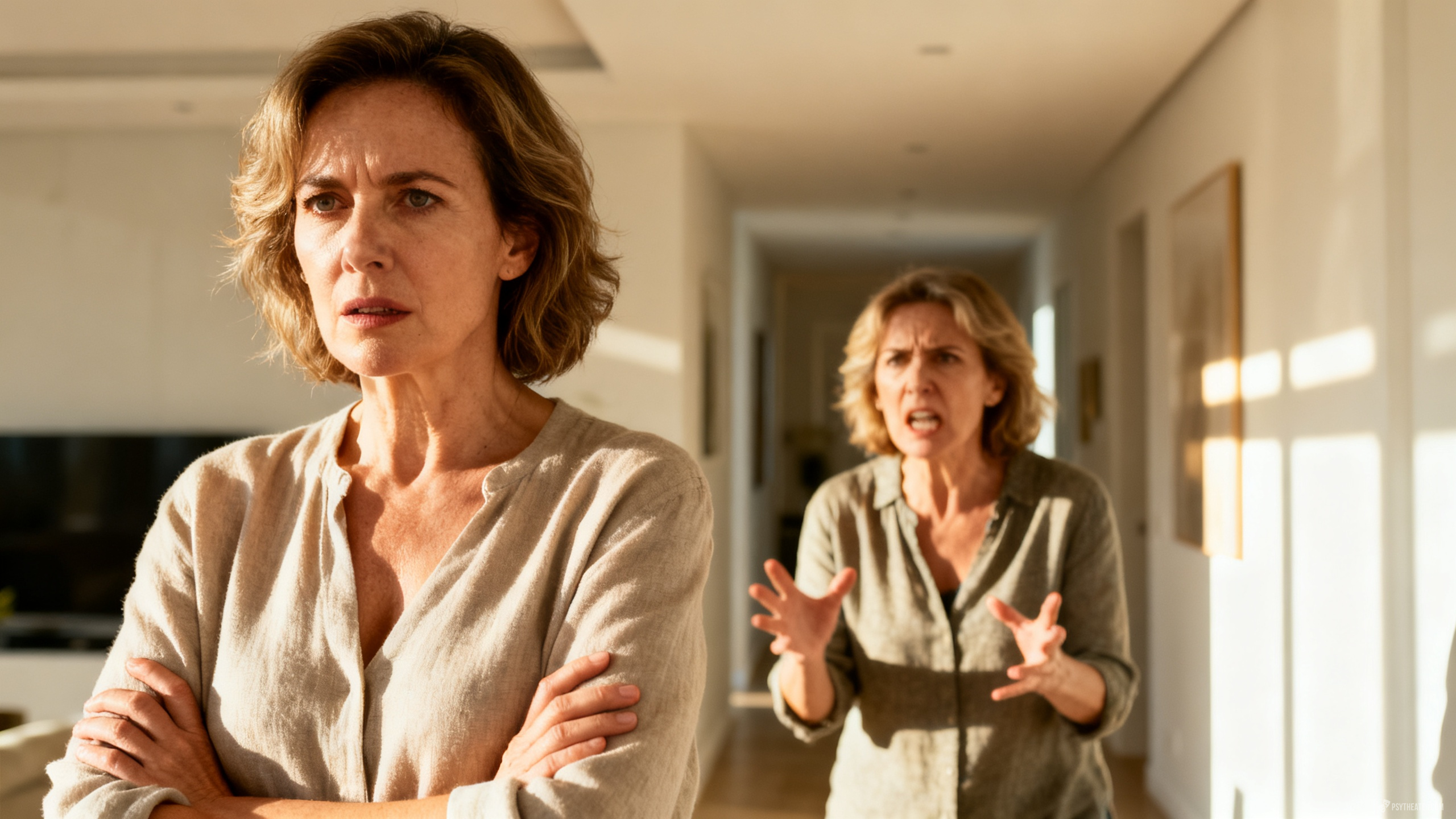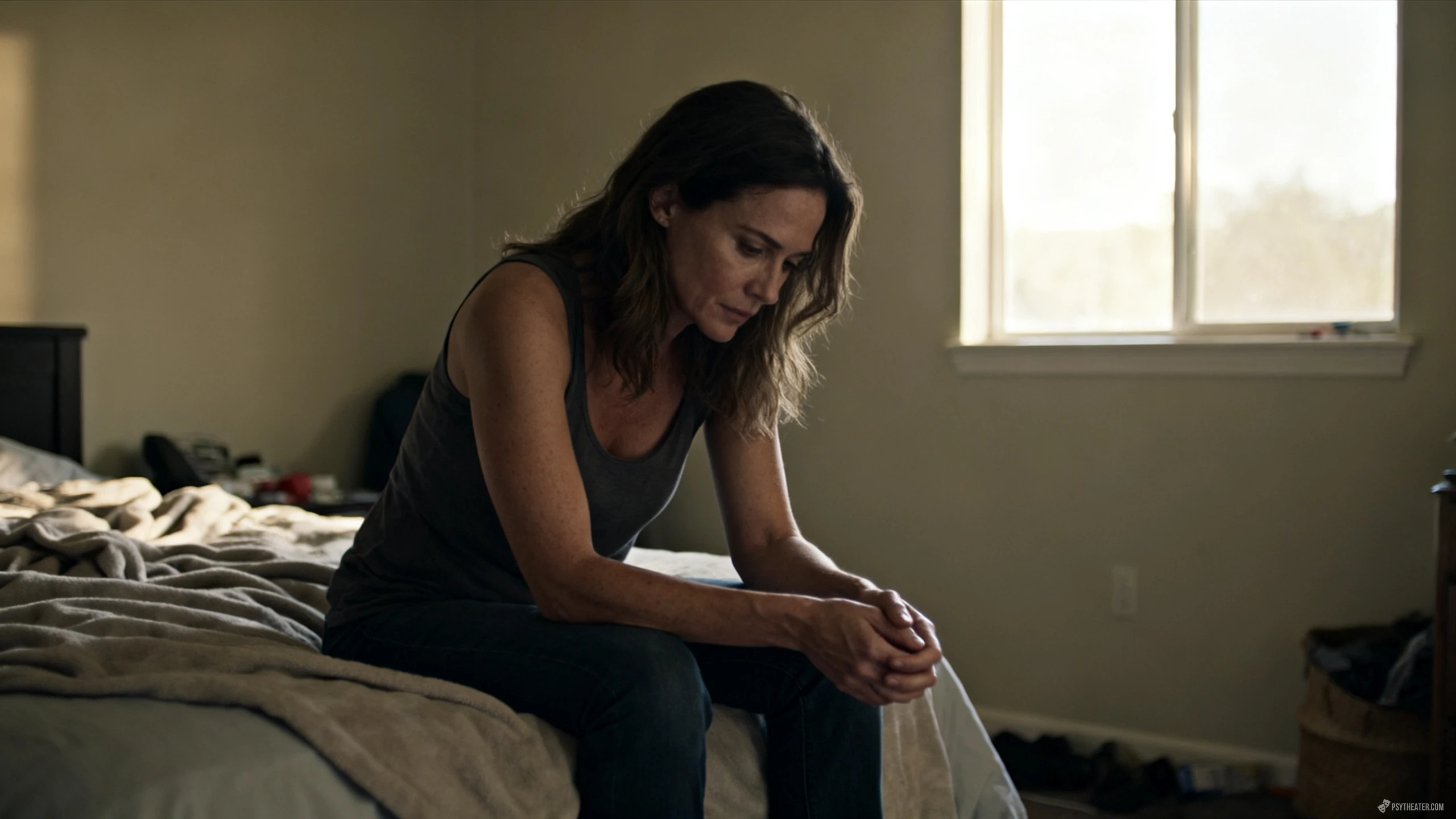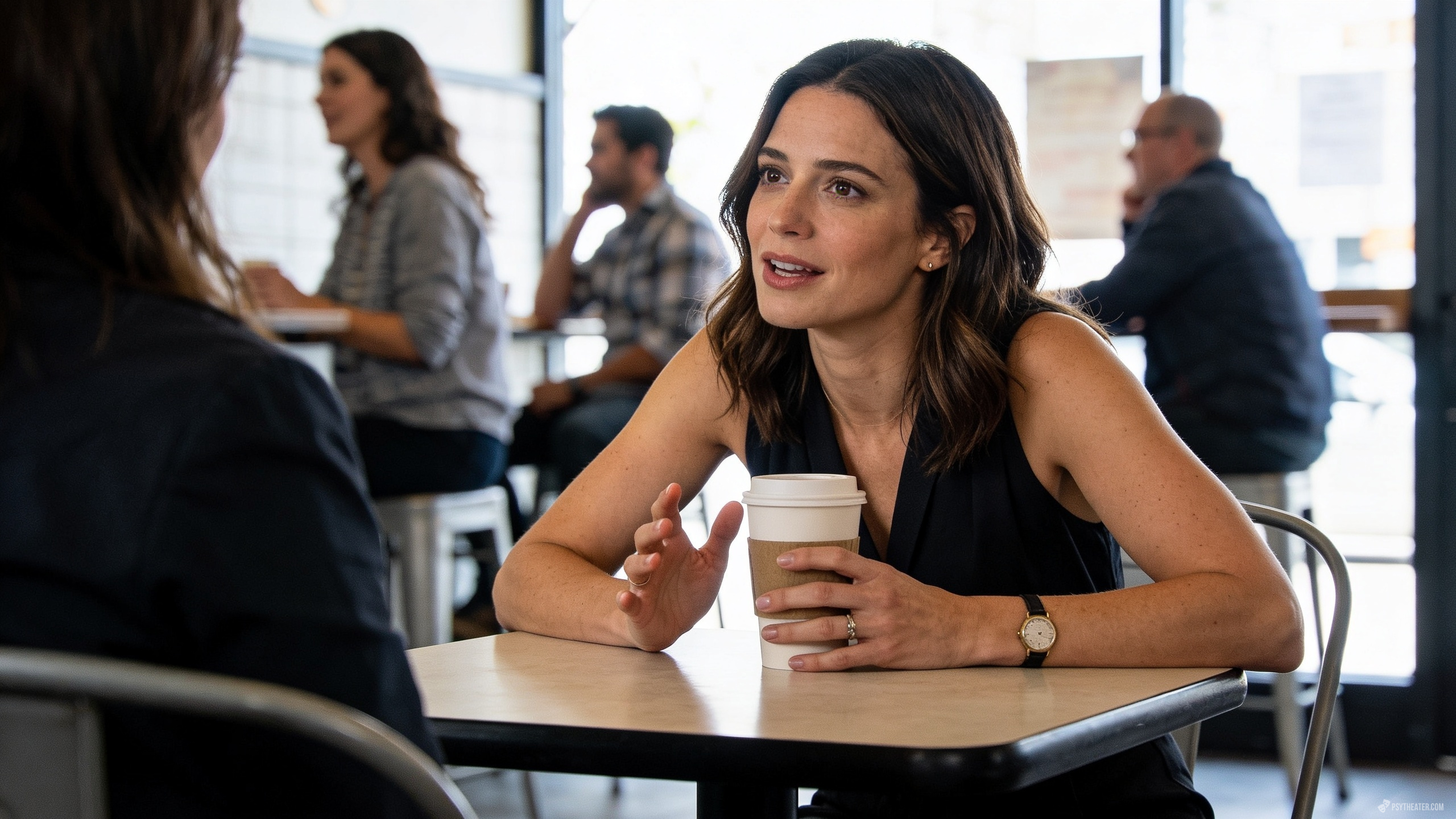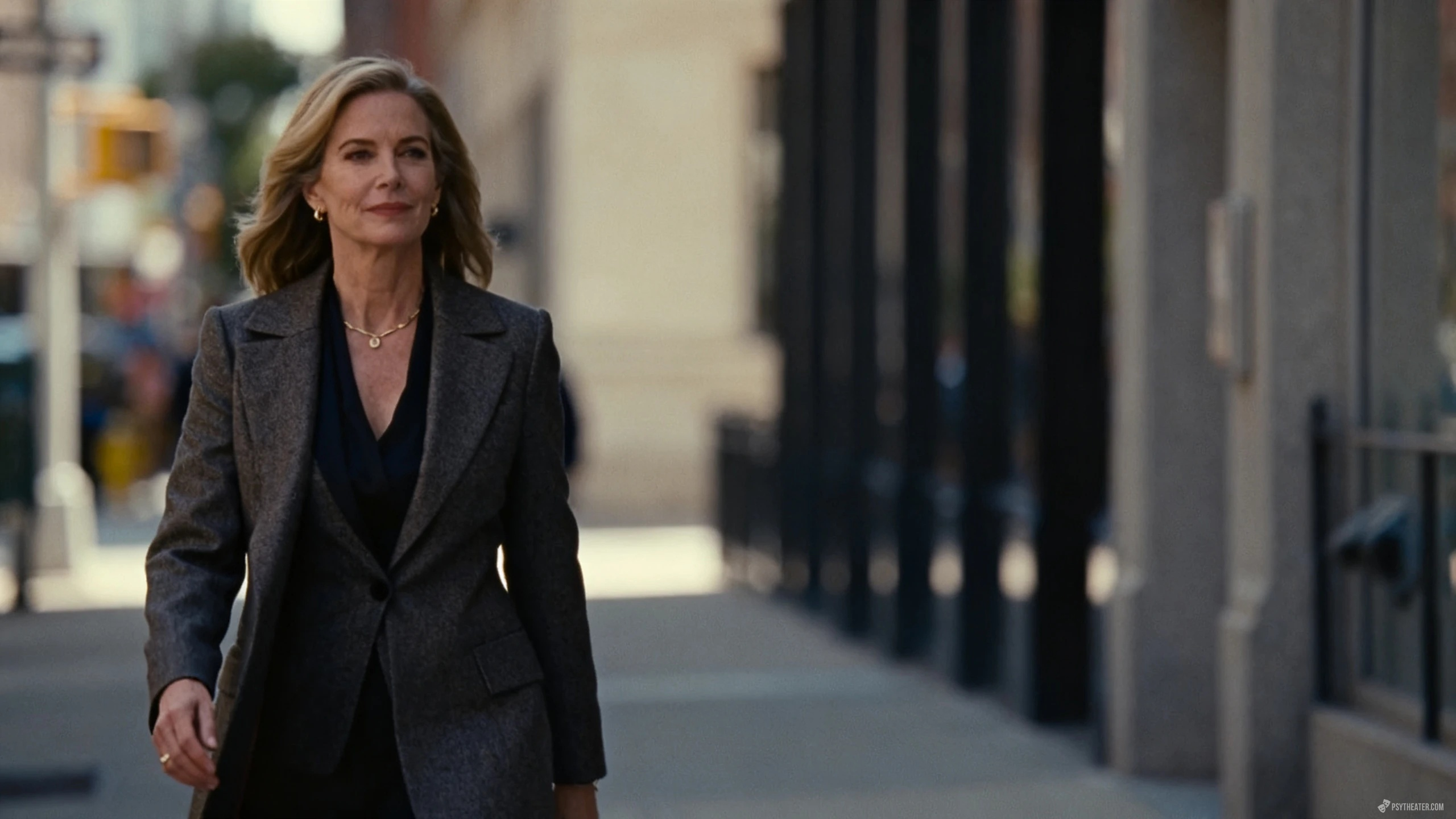
For decades, the fashion industry ran on a single fuel: youth. The ideal woman was always younger, smoother, lighter—her image endlessly refreshed by trends that moved at breakneck speed. But that era is fading. Today, women over 40 are not just visible; they’re leading the conversation about style, substance, and self-assurance. According to Psytheater.com, this shift isn’t about a sudden love affair with aging or a fleeting trend. It’s a deeper change in what we value and how we see ourselves.
Ten years ago, the logic was simple: youth equaled value. Trends were designed for rapid turnover, and the “eternal girl” became the template—emotionally simple, visually polished, and always ready for the next microtrend. The result? A culture of sameness, where faces, poses, and outfits blurred together in a digital scroll. The fear of aging was everywhere, and the pressure to stay current was relentless.
Now, the pendulum is swinging. The industry is learning to appreciate the person inside the clothes—the experience, the character, the ability to hold a style for more than a season. Women over 40 are at the center of this change, not because they’re suddenly “in,” but because they don’t need to prove their relevance with every passing trend. Their confidence isn’t performative. It’s lived-in.
Shifting Ideals
Every era has its visual ideal. Sometimes it’s youth, sometimes power, intellect, or luxury. For the last decade, “hyper youth culture” dominated—perpetual girlhood as the only desirable state. Even older women were expected to look like girls: smooth, wide-eyed, emotionally muted. Social media only amplified this, speeding up trends until they became visual noise. But the cost was high. The more we tried to erase age, the more anxious we became about it. Eventually, the exhaustion set in. Growing older stopped feeling like a loss and started to look like a kind of strength.
What’s changed is the code for status. Where once wealth was signaled by the ability to look forever young, now it’s about calm, confidence, and the absence of hustle. Maturity is a privilege—evidence of experience, self-knowledge, and the freedom to stop chasing validation. Millennials, the first generation to age publicly without disappearing from culture, have played a huge role. They didn’t hide their age or reject beauty, but treated growing older as a natural part of visual life. Women over 40 no longer vanish from the style conversation. They don’t cling to the aesthetics of their twenties, nor do they retreat. Instead, they model a new kind of adult beauty—one that isn’t at war with time.
Beauty Reconsidered
The most striking change isn’t in clothing, but in how we look at faces. For years, beauty meant smoothness and symmetry. Now, distinctive features—lines, asymmetry, expressive movement—are back. On red carpets, it’s the women with “living” faces who stand out. Think of Anne Hathaway’s wide, unfiltered smile at 43. Luxury brands have caught on, too. Recent campaigns feature women with depth, complexity, and mature presence. Simon Porte Jacquemus even made his grandmother Liline, turning 80, the face of his brand—reminding us that style has no age limit.
This isn’t about anti-aging as a statement. Age is simply becoming a non-issue, no longer framed as something to overcome or “bravely” accept. Casting has changed as well. Where models once needed blank-slate faces, now brands seek women with visible histories. Lived experience is more interesting than flawless skin.
Style Without Anxiety
The most compelling style icons over 40 don’t try to look “right.” They aren’t obsessed with trends, yet they often sense them more sharply than younger influencers. Their relationship with clothes is different. Digital youth culture was built on constant renewal—new looks, new microstyles, endless proof of “fashionability.” But these women don’t chase the industry. They often look more modern than the trends themselves.
True luxury now is the ability to maintain a personal visual language for years. This shows up in how they use silhouette: less about “fixing” the body, more about understanding movement and presence. Many women over 40 wear architectural shapes, bold jewelry, dramatic fabrics, or strict colors with a conviction that younger influencers can’t fake. It’s not about “age-appropriate” dressing, but about inner steadiness. Complex clothes don’t work with anxiety—they become costume. But when there’s no struggle between person and outfit, the result is effortless.
Icons Who Changed the Game
The most influential style icons over 40 never look like they’re trying to be “fashionable.” They don’t chase every new aesthetic or prove their modernity through trends. That’s why their style feels so authentic.
Meryl Streep’s style is defined by a total lack of fear about age. She never built her image around “youthfulness,” and her elegance is deeply intellectual. Her wardrobe isn’t about celebrity expectations—she favors complex fabrics, calm lines, and clothes that extend her own tone, not just perform for the camera. In an era of images made for Instagram, her natural distance feels almost radical.
Julianne Moore shows how maturity changes our relationship with color and texture. She avoids aggressive statements, instead relying on subtle shades, rich fabrics, and relaxed silhouettes. Even in evening wear, she looks at ease—her clothes seem made for movement, not just for the red carpet.
Jennifer Aniston’s style is often dismissed as too simple, but it’s built on a precise understanding of the modern wardrobe. She nails the relaxed luxury that brands try to imitate—soft jackets, loose jeans, long lines, muted colors. She doesn’t reinvent her look every season, and that consistency now reads as confidence, not boredom.
Monica Bellucci never gave up her sexuality to “age gracefully.” Instead, her sensuality has grown calmer with time. She doesn’t try to look younger or adapt to the style of 20-somethings. Bellucci proves that adult femininity can be deeply attractive without constant proof.
Kate Middleton, Princess Catherine, is redefining “proper” elegance. For years, her style was called safe or predictable, but now it matches the new demand for sustainability and longevity. She repeats outfits, brings back old coats and dresses, and her looks are free of visual noise. They aren’t viral or ultra-trendy, but they’re modern in their restraint.
Sarah Jessica Parker, a style icon since the ’90s, ignores the unspoken rules about how women “should” look after a certain age. She still wears bold silhouettes, dramatic accessories, and eccentric combinations. Her style has only grown more personal with time, showing that mature women don’t have to shrink themselves to be elegant.
In the world of fashion and beauty, the conversation about age is finally changing. The new icons aren’t fighting time—they’re living in it, and that’s what makes them magnetic.
In clinical psychology, the way we perceive aging and self-image is closely tied to emotional well-being. Research shows that internalized ageism and the pressure to appear young can fuel anxiety, depression, and low self-esteem, especially for women. Therapists often work with clients to challenge these beliefs, helping them build a sense of worth that isn’t dependent on external validation or fleeting trends. This shift in cultural ideals—toward valuing experience, individuality, and authenticity—can support healthier self-concepts and more resilient mental health as we age.