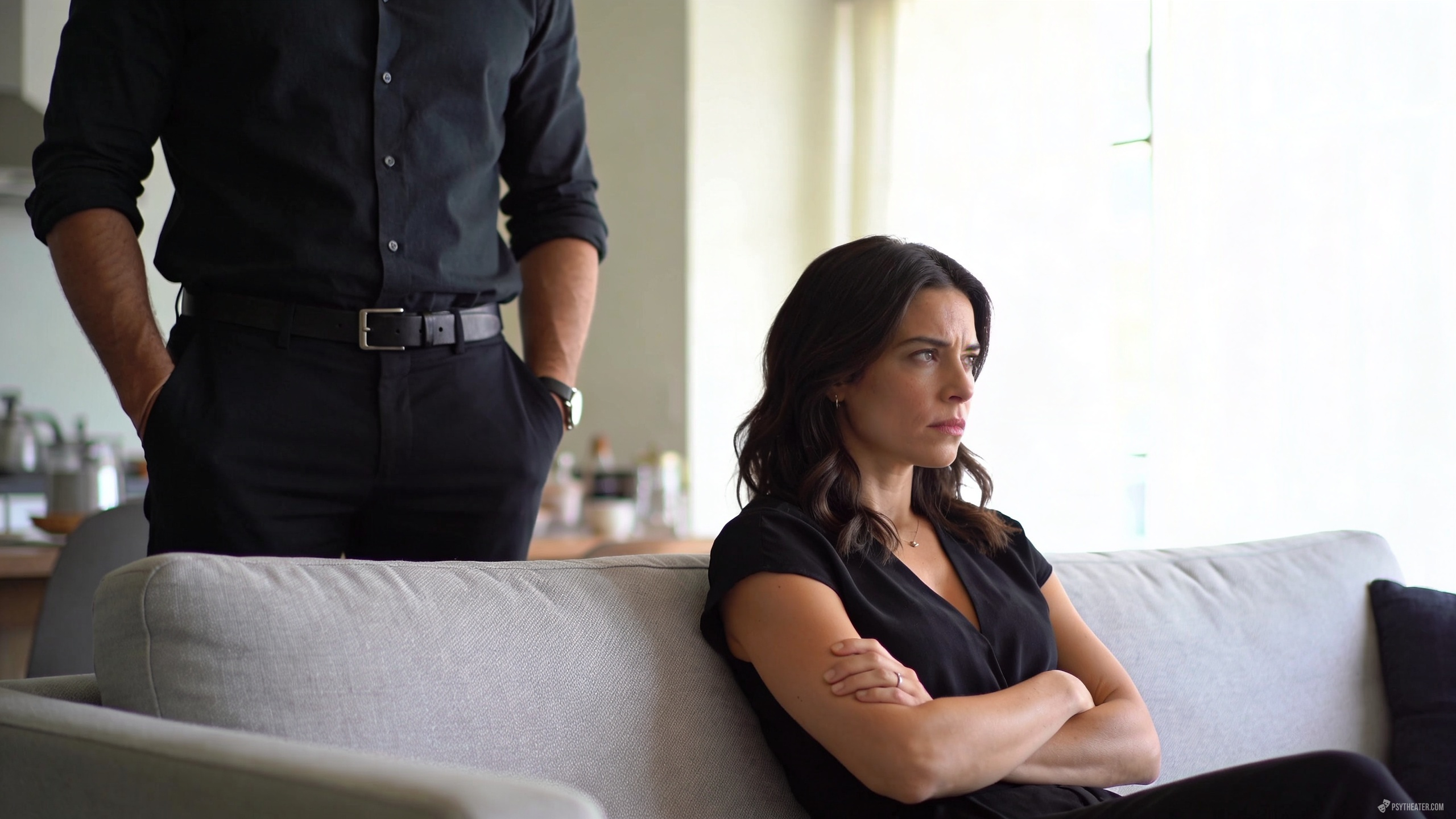
In families, at work, or in romantic partnerships, there’s often one person who simply won’t apologize—no matter how obvious the hurt. The result? A slow build of anger, distance, and frustration that can poison even the strongest bonds. According to experts cited by Psychology Today and leading French psychologists, this refusal to say “I’m sorry” is rarely just stubbornness. Instead, it’s a complex mix of ego, fear of shame, childhood wounds, and sometimes a lack of empathy or a need to protect oneself from feeling powerless.
Apologies matter more than most people realize. Social psychologist Nicolas Guéguen describes them as the oil that keeps relationships running smoothly. A sincere apology signals that the other person’s feelings matter, and that the relationship is worth repairing. Even in early childhood, the ability to repair after a misstep is what builds emotional security. When apologies are missing, resentment festers. Research from the American Psychological Association shows that people are more likely to escalate conflicts—sometimes even to legal action—when they don’t receive a genuine apology. In close relationships, the absence of repair can lock both sides into a cycle of blame and withdrawal.
Psychological Profiles
People who never apologize tend to fall into a few distinct groups. Some see admitting fault as a threat to their self-worth. For them, being wrong is intolerable. Psychology Today calls this “cognitive rigidity” or “pathological certainty”—a mindset where any challenge to their view feels like a personal attack. Perfectionists, often raised by highly critical parents, may also avoid apologies out of a deep fear of humiliation or rejection. They might deflect, rationalize, or flat-out deny any mistake to avoid feeling like a failure.
Another group struggles with empathy. They simply don’t register the impact of their actions on others, or they minimize the harm (“It wasn’t that bad”). Psychologist Denis Morissette describes these individuals as self-focused, with little awareness of others’ pain. Some lack “mentalization”—the ability to imagine what someone else is feeling. Others become masters of justification, always finding an external reason for their behavior and rarely uttering the words “I’m responsible.” For some, the roots go back to childhood, where admitting wrongdoing brought overwhelming shame. For others, refusing to apologize is a way to resist what feels like an unfair demand for confession or submission.
Protecting Yourself
If you’re dealing with someone who never apologizes, the first step is to recognize their pattern—and your own response to it. Instead of arguing about who’s right, focus on expressing how their actions affected you. State your need for your feelings to be acknowledged, without turning it into a courtroom drama. As Wengood and TF1 Info point out, you can’t force someone to self-reflect, but you can set clear boundaries and, if needed, create distance to protect your own well-being.
If you recognize this pattern in yourself, research published in Personality and Individual Differences suggests that the most convincing apologies come from a place of real humility. Learning to say “I was wrong” without spiraling into self-loathing can open the door to safer, more trusting relationships. Sometimes, working with a therapist can help break the cycle of defensiveness and shame.
According to Top Santé, understanding the psychological roots of apology avoidance can help both sides navigate these difficult dynamics with more clarity and less blame.
In therapy, the concept of “repair” is central to healing relationships. Repair isn’t just about saying the right words—it’s about recognizing harm, taking responsibility, and making amends in a way that feels authentic. Therapists often work with clients to build these skills, especially when old patterns of shame or defensiveness get in the way. Over time, learning to repair can transform not just individual relationships, but a person’s entire approach to conflict and connection.