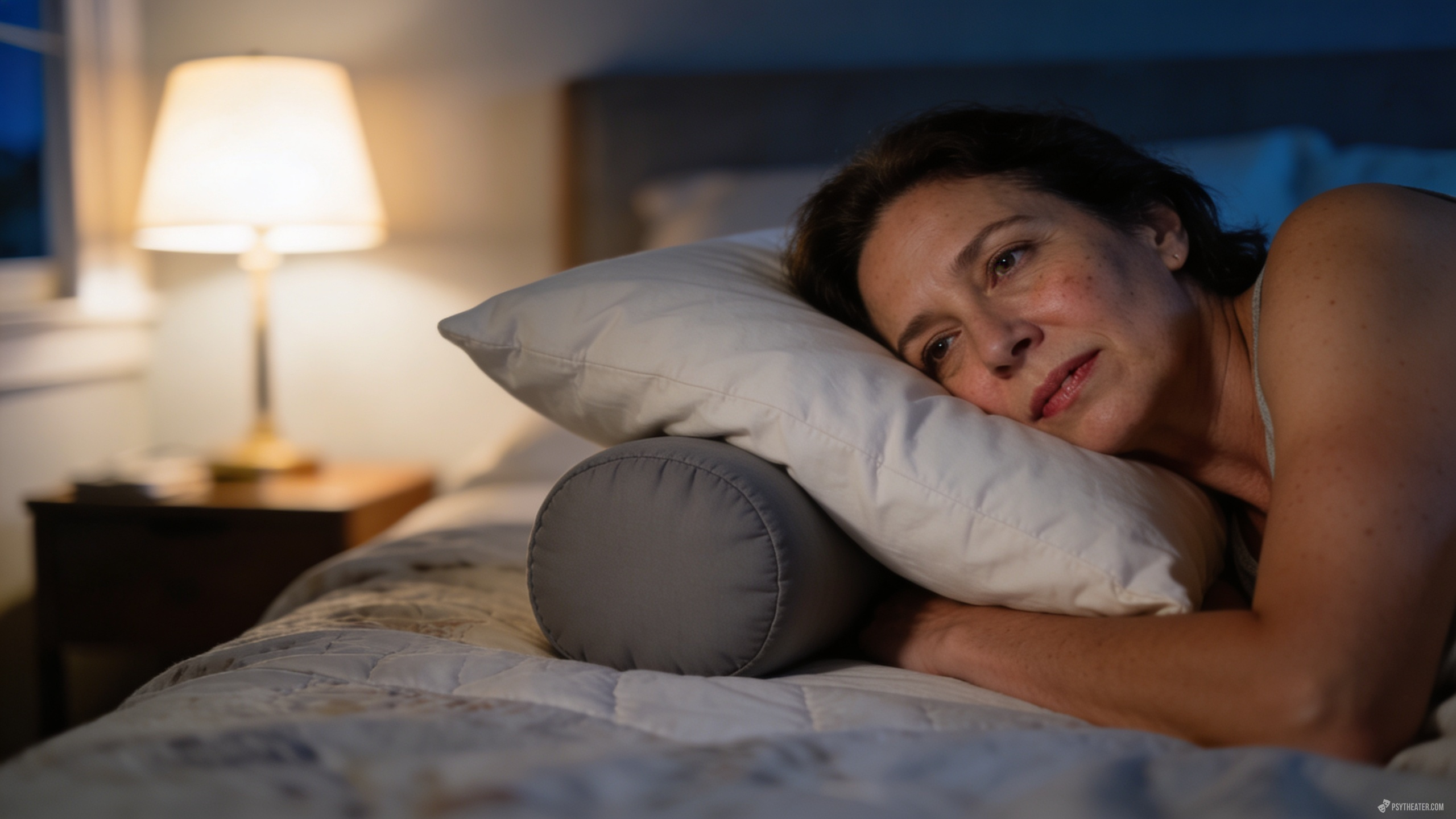
Most people blame late nights or stress for their restless sleep. But the way you position your body in bed can quietly undermine your rest, trigger pain, and even worsen breathing issues. Sleep researchers and physicians have zeroed in on posture as a key factor in how well you recover overnight. The evidence is clear: your sleep position shapes everything from snoring and sleep apnea risk to how stiff you feel when you wake up.
For adults, the consensus among sleep specialists is surprisingly strong. The side position—sleeping on your left or right—emerges as the healthiest choice for most people. According to EatingWell, doctors specializing in sleep medicine consistently recommend the side position, especially for those who struggle with breathing interruptions or frequent awakenings. The side posture helps keep airways open, reduces the risk of sleep apnea events, and supports deeper, more continuous sleep cycles.
Recent studies back this up. One observational study cited by EatingWell found that side sleeping led to fewer breathing-related awakenings and milder apnea symptoms compared to sleeping on the back. Another study showed that lying on the right side increased the amount of slow-wave, restorative sleep and cut down on nighttime awakenings. Adding a pillow between your knees can further align your spine and reduce lower back strain.
Left-side sleeping brings its own benefits. This position can improve blood flow, reduce acid reflux, and is often recommended for pregnant women. To make side sleeping more comfortable, experts suggest a softer mattress, a thick pillow to support your head, and a knee pillow to stabilize your lower back. These small adjustments can make a big difference in how you feel the next day.
Back and Stomach: The Downside
Not all positions are created equal. Michael Gradisar, M.D., told EatingWell that sleeping on your back is the worst option for breathing. It increases the risk of snoring and sleep apnea, especially in people with heart conditions. Only about 8% of adults sleep this way, but among those with stable heart failure, up to 76% experience apnea when lying on their backs.
Stomach sleeping fares no better. Turning your head to the side for hours can strain your neck and leave your spine misaligned, leading to morning stiffness and lower back pain. The pressure on your chest and abdomen can also make breathing and digestion harder, and may even trigger teeth grinding. Experts agree: if you must sleep on your stomach, do it rarely, not as your nightly default.
Comfort and Individual Needs
Still, the best position is the one you can actually fall asleep in. As Michael Gradisar, M.D., points out, comfort matters. Adjusting your pillow, using a knee cushion, or placing a pillow behind your back can help make side sleeping more appealing. The goal is to find a posture that supports your body and lets you rest without pain or frequent waking.
Emma Lin, M.D., warns that poor or insufficient sleep ramps up stress hormones, which can have ripple effects on your mood, metabolism, and immune system. Sleep authorities recommend sticking to a regular bedtime, avoiding caffeine late in the day, and keeping your bedroom quiet and uncluttered to support healthy sleep habits.
According to EatingWell, the science is clear: how you sleep matters as much as when you sleep. Small changes in posture and environment can add up to better rest, less pain, and a healthier mind and body.
Sleep apnea is a common but often overlooked disorder where breathing repeatedly stops and starts during sleep. It can lead to daytime fatigue, mood swings, and increased risk for heart disease and diabetes. Treatment options range from lifestyle changes and positional therapy to medical devices like CPAP machines. If you suspect you have sleep apnea—especially if you snore loudly or wake up gasping—talk to a sleep specialist for a proper diagnosis and tailored treatment plan.