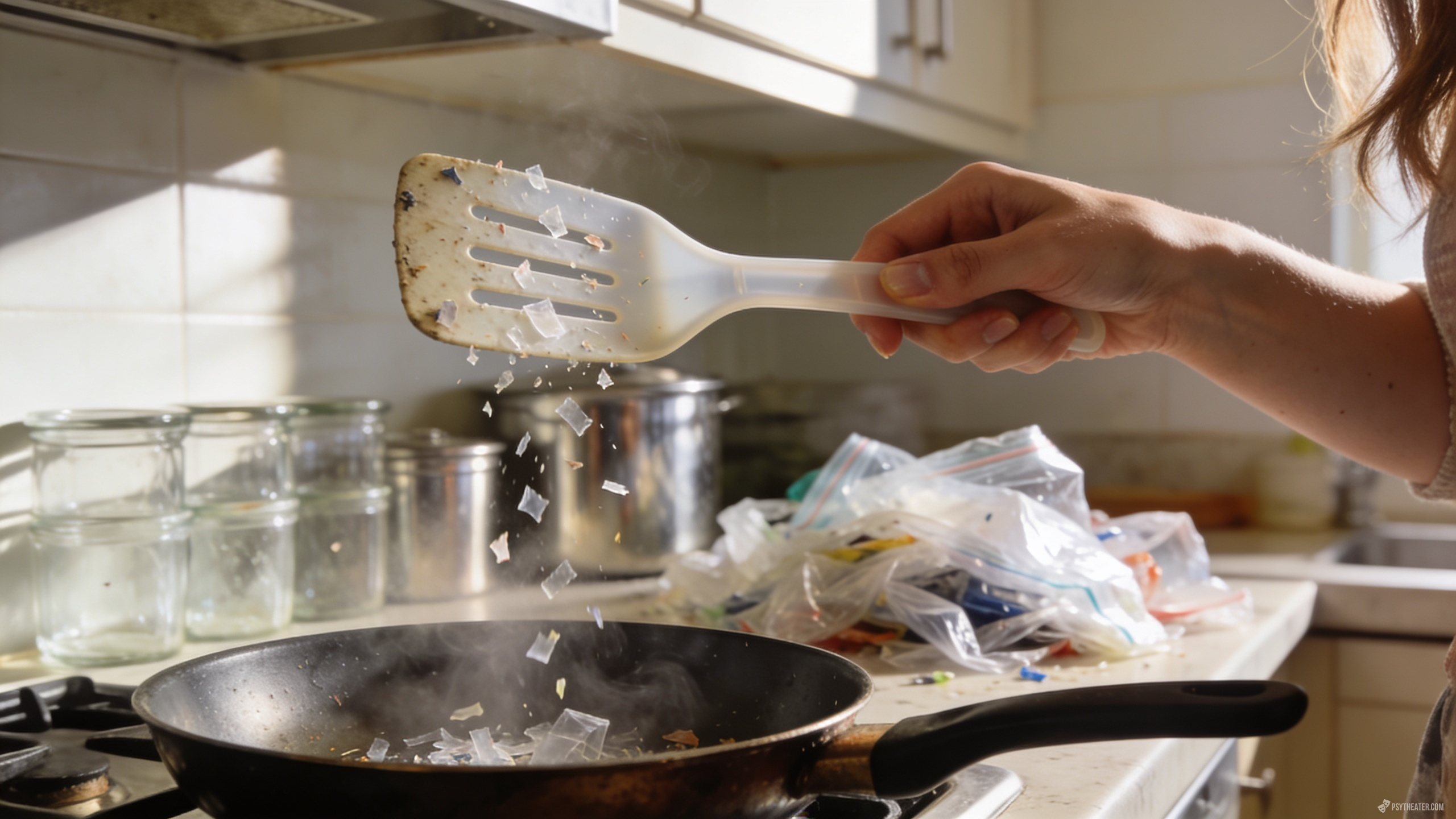
Microplastics have become a growing concern for both environmental and human health. According to a 2019 study, people may ingest up to five grams of microplastics each week—the equivalent of a credit card—through food and water. These tiny plastic fragments, less than five millimeters in size, are now found everywhere, including in the kitchen. Endocrinologists are sounding the alarm about the potential health risks, especially as these particles can act as endocrine disruptors.
Dr. Aimee Browne, a reproductive endocrinologist at Aspire Fertility San Antonio, explains that hormones regulate essential functions like ovulation, appetite, stress, and overall balance. Her colleague, Dr. Li-Shei Lin, highlights how microplastics and even smaller nanoplastics can enter the body through the lungs, digestive tract, or skin. Once inside, they can travel via the bloodstream to various organs, raising concerns about long-term health effects.
While more research is needed to fully understand the impact of microplastics on human health, there are practical steps you can take to reduce your exposure. Both experts emphasize the importance of avoiding heating food in plastic containers. When plastic is heated, it can release more microplastics and chemicals into your food. Instead, opt for glass or stainless steel containers whenever possible, especially for microwaving or storing hot foods.
Single-use plastics are another major source of microplastic exposure. Swapping out disposable items like plastic wrap, freezer bags, and single-use pouches for reusable alternatives—such as beeswax wraps or silicone bags—can make a significant difference. Not only does this reduce plastic waste, but it also limits the amount of plastic that can break down and enter your meals.
Pay attention to the condition of your kitchen tools. Worn or heated plastic utensils, such as spatulas, ladles, and whisks, can shed microplastic particles, especially when used in hot pans. Scratched plastic cutting boards are another hidden source, releasing thousands of fragments with each use. Damaged nonstick pans, particularly those with flaking coatings, should be replaced with safer options like stainless steel, cast iron, or high-quality ceramic cookware.
Diet also plays a role in managing the effects of environmental microplastics. While it’s impossible to eliminate exposure entirely, a diet rich in antioxidants—found in fruits and vegetables—can help the body cope with oxidative stress caused by environmental toxins. The goal, according to Dr. Lin, is not to create fear but to empower people to make informed, realistic choices that reduce cumulative exposure over time.