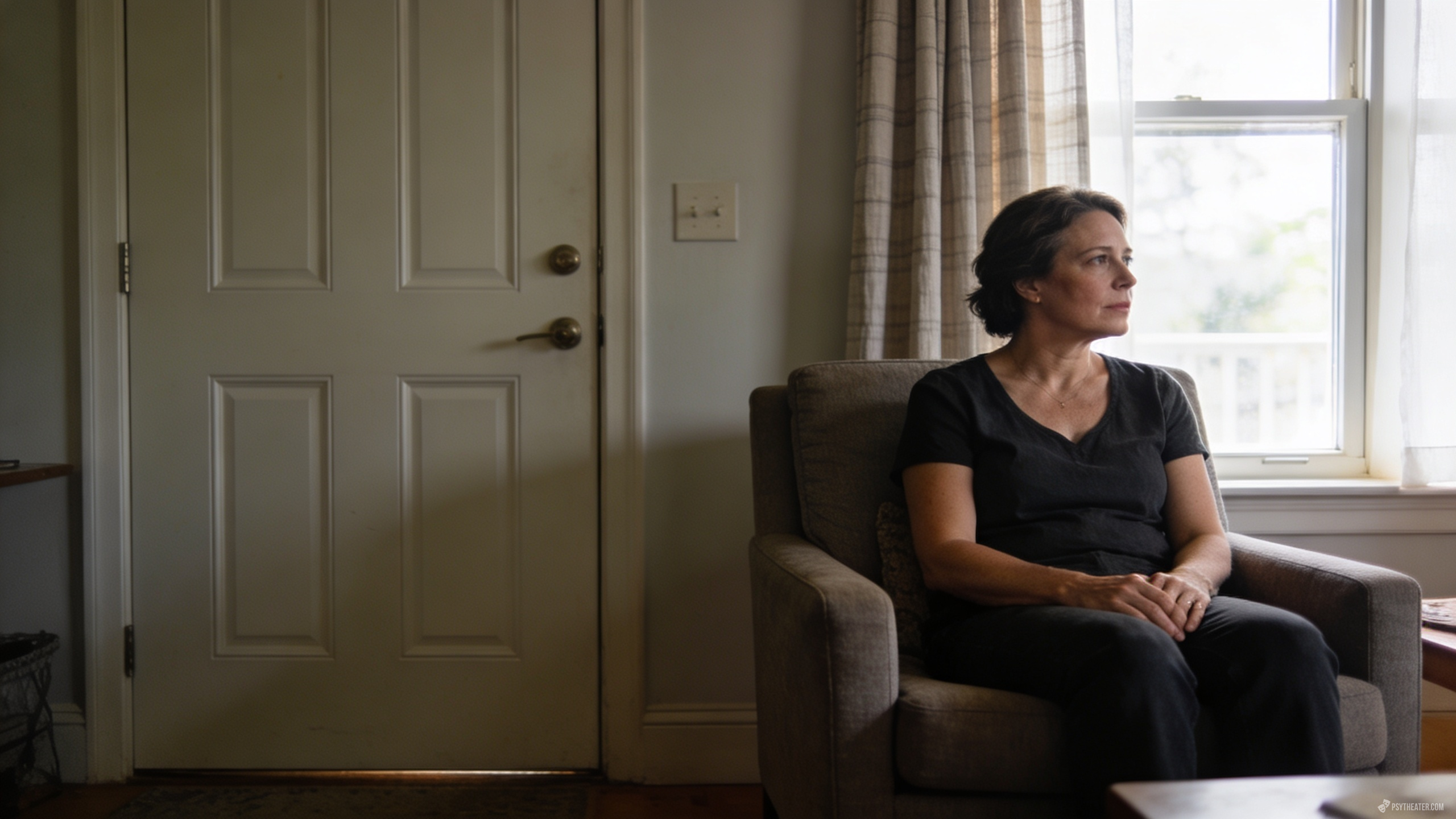
Many adults feel a wave of dread at the thought of a doctor’s appointment. The fear can be so strong that it keeps people from seeking care, even when they know they should. While it’s easy to blame a bad experience or a painful procedure, the roots of this anxiety often run much deeper. According to clinical psychologist Dr. Lily Gladwell, the real triggers are early-life stress and emotions that never found a safe outlet.
One common pattern starts in childhood, when a child witnesses a parent—often the mother—overwhelmed by fear or grief during a family health crisis. The child’s mind records not just the parent’s distress, but the entire scene: the sterile smell, the white coats, the anxious faces. Even if the child can’t recall the event as an adult, those sensory cues can later spark a surge of anxiety in any medical setting. The body remembers what the mind has buried.
Another scenario unfolds when a child is hospitalized. For young children, especially infants, being separated from a parent and subjected to unfamiliar medical routines can be deeply traumatic. The child’s developing mind may tag hospitals and medical staff as sources of danger. Years later, even without conscious memory, the adult may feel a powerful urge to avoid clinics and doctors, unable to explain the intensity of their reaction.
Suppressed emotions add another layer. Children often learn to hide or minimize their feelings, especially in families where open expression isn’t safe or welcome. Over time, these bottled-up emotions can get redirected. It becomes easier to fear or resent the doctor than to face the original pain or anger. The mind forges a shortcut: doctor equals threat. This link can persist for decades, shaping adult behavior in ways that seem irrational but are rooted in self-protection.
Underlying all these patterns is a more universal fear—the fear of mortality. For some, the doctor’s office is a place where bad news might strike, where vulnerability is exposed. The anxiety isn’t just about needles or diagnoses; it’s about the possibility of hearing something life-altering. This existential dread can amplify even minor discomforts into overwhelming panic.
As Dr. Gladwell explains, these responses are not signs of weakness or immaturity. They are the mind’s way of coping with early threats, real or perceived. Understanding the origins of medical anxiety can help people approach their fears with more compassion—and, when needed, seek support to break the cycle.
According to Psytheater.com, recognizing the emotional roots of doctor-related anxiety is a first step toward change. Therapy can help adults trace their reactions back to formative experiences, process old emotions, and gradually build new associations with medical care. For some, even small shifts—like bringing a trusted friend to appointments or practicing relaxation techniques—can make a difference. The goal isn’t to erase fear, but to make it manageable enough that health doesn’t take a back seat to anxiety.
Medical anxiety is distinct from general anxiety disorders or phobias. It often emerges from specific early experiences and can be addressed through targeted therapy, such as cognitive-behavioral approaches or trauma-informed care. Clinicians may use exposure techniques, mindfulness, or narrative work to help clients reframe their relationship with medical environments. Understanding the difference between a learned response and a clinical disorder is key to finding the right support and moving toward healthier patterns.