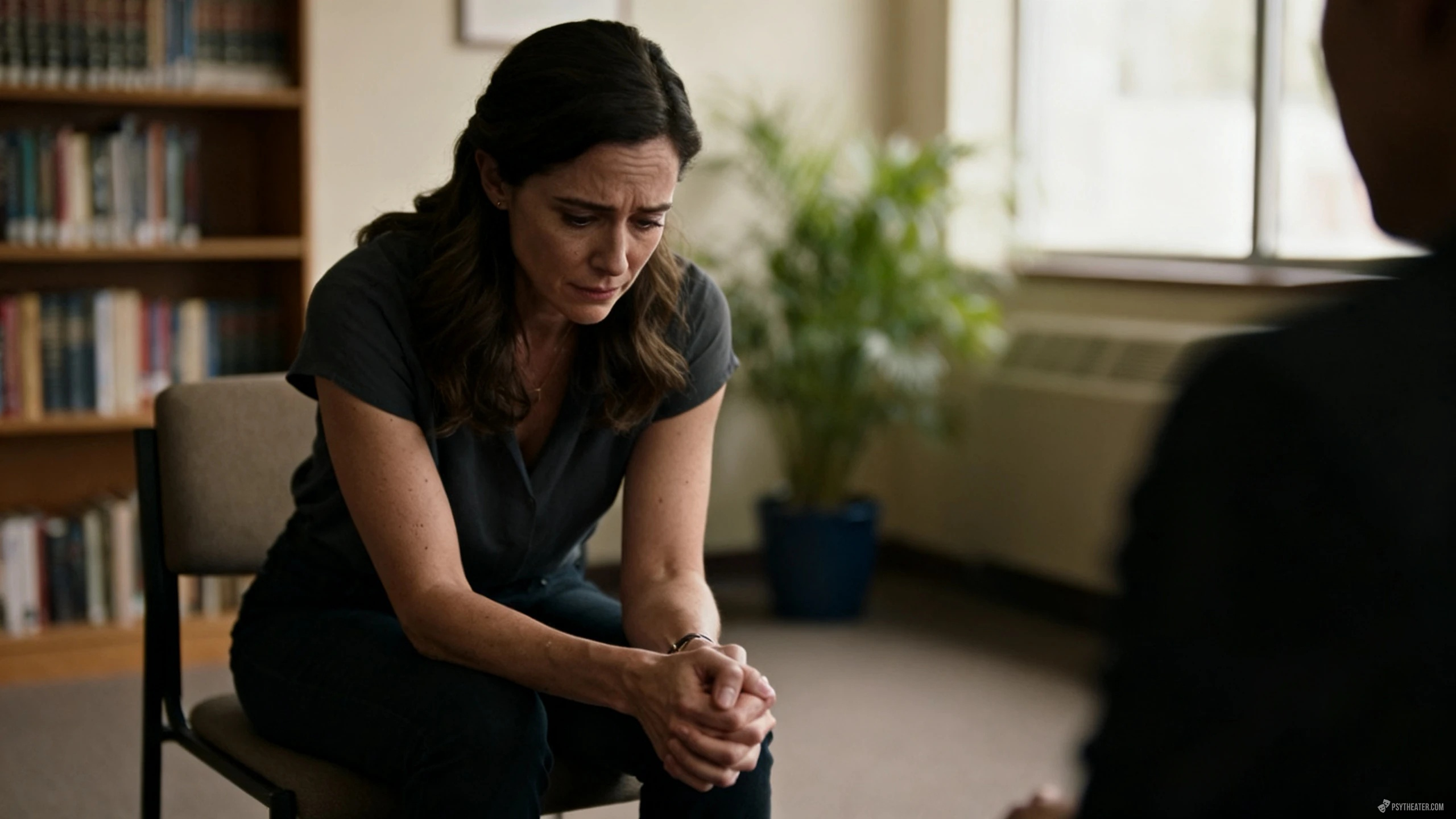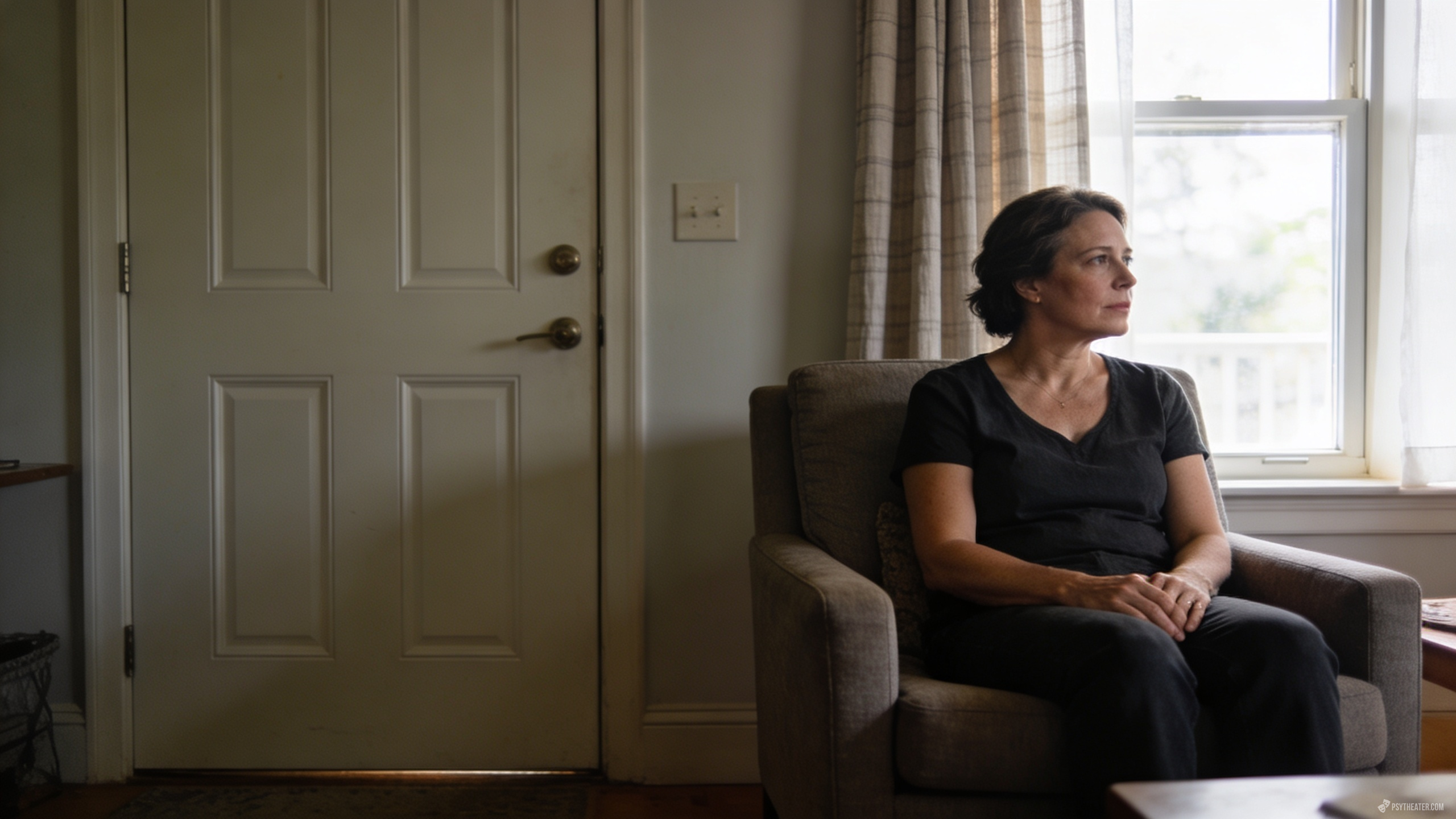
Spring is supposed to be a season of renewal, but for many therapists, it’s when relationship issues come into full bloom. Lately, one phrase keeps surfacing in sessions: “I’m not responsible for your feelings.” It sounds enlightened, even progressive. But in practice, this pop-psychology mantra is quietly eroding intimacy and fueling chronic anxiety, according to Psytheater.com.
Consider a recent case: A woman spends months in a state of constant worry. Her partner communicates through silence—leaving the house without a word, responding in monosyllables for days, and when pressed, tossing out, “Deal with your own feelings.” When she tries to explain how his behavior hurts, he doubles down: “Your feelings are your problem. I’m not involved.” This isn’t healthy boundary-setting. It’s emotional withdrawal dressed up as self-care.
There’s a crucial difference between taking responsibility for your own reactions and refusing to acknowledge the impact of your actions. A mature approach means recognizing, “I can choose how I respond to what you say or do. I can step away to calm down or say, ‘That hurt—can we talk about it?’” The pop-psych version flips this: “I’ll say and do whatever I want. If you’re hurt, that’s your baggage—go see a therapist.”
This shift isn’t subtle. The first stance respects both partners’ inner worlds and the boundary between them. The second is a retreat into self-absorption, where only one person’s needs matter and the other becomes little more than background noise.
Modern Boundaries or Emotional Evasion?
Pop psychology’s “self-care” checklist now includes: ignoring your partner for weeks because you “need space,” dismissing their pain as their own “triggers,” canceling plans last minute without apology, and refusing support during tough times because “their problems aren’t yours.” These aren’t boundaries—they’re a civil union with your own freedom, divorced from anyone else’s vulnerability.
Why does this trend catch on? First, it sounds sophisticated. Talking about “personal boundaries” and “emotional hygiene” gives the illusion of growth, when it’s often just a way to avoid discomfort. Second, it’s easier to say, “Handle your abandonment issues,” than to face the reality: “My actions are making my partner feel abandoned. Is that what I want? What does that say about me?” Third, it creates a false sense of power. Declaring “not my responsibility” can feel like psychological maturity, but it’s often a shield for people terrified of closeness or demands from others.
In reality, this approach kills connection. It’s not about healthy separation—it’s about emotional desertion. The result? Partners left feeling isolated, unseen, and anxious, while the other claims the moral high ground of “self-care.”
The Third Space
Real intimacy doesn’t come from dividing the world into “mine” and “yours.” It comes from recognizing a third space: the relationship itself. Both partners are responsible for this shared ground. You can’t control what someone else feels, but you are ethically responsible for not causing unnecessary pain. Your freedom ends where your partner’s dignity begins.
If you notice your silence is breaking your partner down, or your words are cutting deep, the healthy question isn’t, “Why are you so sensitive?” It’s, “What’s happening between us—or in me—that’s creating this dynamic?”
Self-care isn’t a turf war where the least invested person wins. It’s the art of building a home with enough air for two people to breathe. Next time you’re tempted to hide behind “your feelings aren’t my responsibility,” ask yourself: Are you protecting a healthy boundary, or just walling yourself off because your partner’s needs feel inconvenient?
The difference between those two positions is the difference between loneliness together and real closeness.
In therapy and daily life, toxic interpretations of psychological concepts show up everywhere. If you’re seeing these patterns, you’re not alone. The conversation is ongoing—and it’s worth having.
Boundaries are a cornerstone of healthy relationships, but they’re often misunderstood. True boundaries aren’t about shutting people out or dodging accountability. They’re about mutual respect, clear communication, and a willingness to engage with discomfort. When boundaries become a weapon for emotional avoidance, the relationship suffers. Learning to balance self-care with empathy is a skill that takes time, reflection, and sometimes professional guidance.