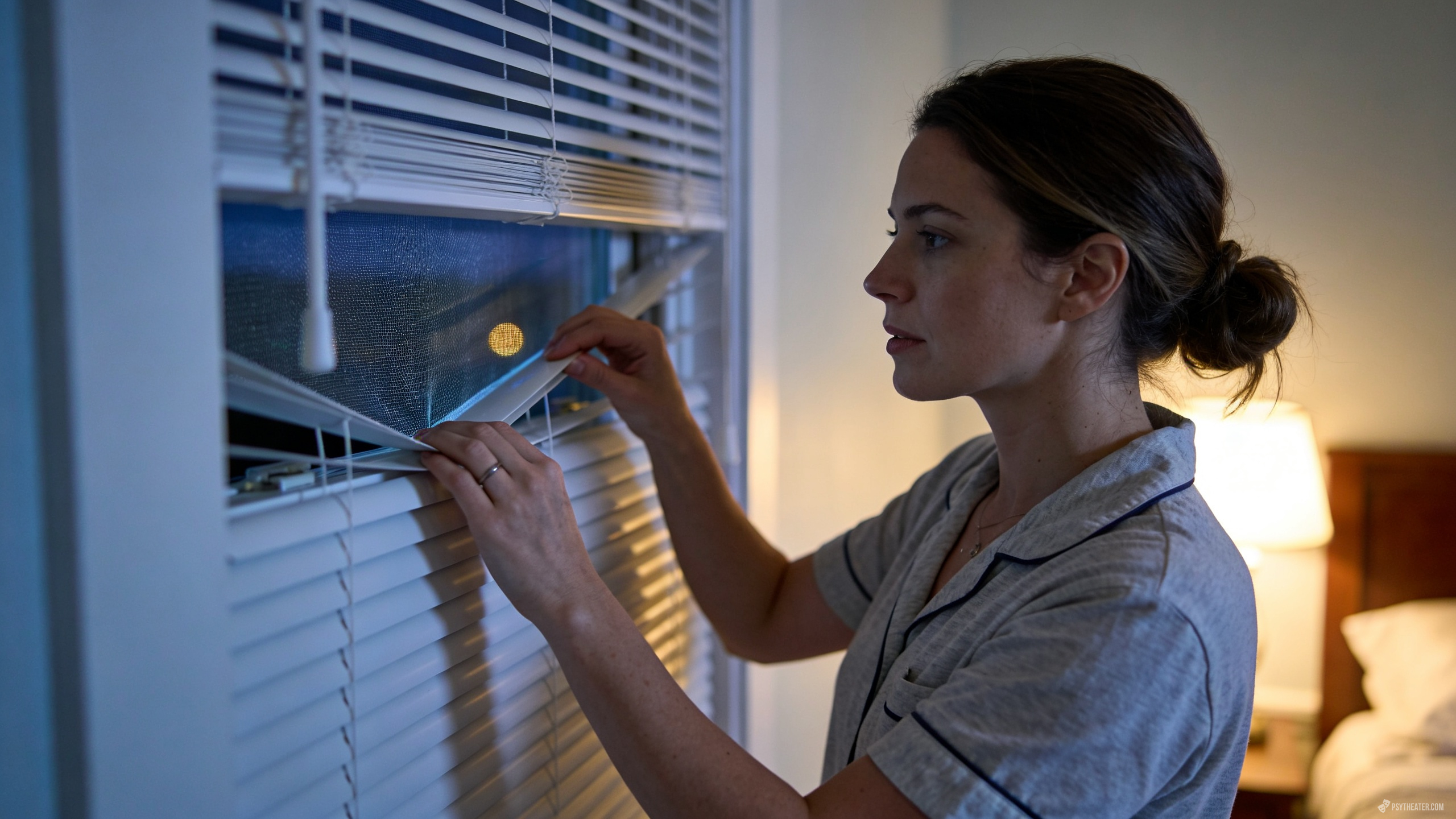
When summer heat turns bedrooms into ovens, many Americans crack open a window at night, hoping for relief. But the promise of cooler air comes with a trade-off: buzzing mosquitoes, street noise, and the nagging worry about safety. According to Top Santé, a simple $2 adhesive screen is changing the game for people who want fresh air without the hassle.
Letting in outside air can lower carbon dioxide levels in your bedroom, making the air feel less stuffy and helping your body settle into deeper sleep. Studies show that a drop in CO2 and a room temperature around 61°F (16°C) can reduce nighttime awakenings and support more restful sleep. For people with mild asthma or sleep apnea, a well-ventilated room can make a real difference—if the outdoor air isn’t too polluted.
But open windows also invite problems. If you live near a busy street, traffic noise and exhaust can disrupt your sleep more than stale air ever could. Insects—especially mosquitoes—see an open window as an invitation. And for those on the ground floor, security becomes a real concern. The challenge is finding a balance: enough airflow to avoid feeling suffocated, but not so much that you’re shivering or swatting bugs all night.
Content:
Air, Noise, and Safety
Fresh air at night can help regulate your body temperature, making it easier to fall asleep. But if your window faces a noisy street or a bar, the constant hum can fragment your sleep. In some neighborhoods, leaving a window wide open is simply not safe, especially if you don’t have sturdy locks or live on the first floor. Even in quieter areas, the risk of insects—mosquitoes, moths, and the occasional spider—can turn a peaceful night into a battle against bites and buzzing.
Contrary to old wives’ tales, sleeping with the window open doesn’t cause a cold. Colds are caused by viruses, not cool air. Still, a steady draft on your neck or chest, especially if the temperature drops below 61°F, can stress your immune system. People with allergies or asthma may also notice symptoms flare up if pollen or dust drifts in overnight.
Insect Invasions
Summer humidity and heat create the perfect breeding ground for flying pests. Mosquitoes, gnats, moths, and flies are drawn to light and warmth. Even a small gap in your window screen can let them in. Once inside, mosquitoes can bite repeatedly, leaving itchy welts that disrupt sleep for the whole family. Spiders may wander in, too, but they tend to avoid humans and hide in dark corners. The urban legend about swallowing spiders in your sleep? Experts say it’s almost impossible.
Light is a magnet for bugs. If you leave a lamp on with the window open, expect a parade of insects circling the bulb and landing on your sheets. After a rainstorm or during muggy nights, mosquitoes are especially aggressive. The best defense is a physical barrier—closing shutters, dimming lights, and installing a screen.
The $2 Window Screen Solution
The viral $2 fix is a peel-and-stick window screen kit, sold on sites like Amazon, Temu, and Shein. It comes as a roll of mesh and a strip of adhesive hook-and-loop tape. No drilling, no tools, no damage to your window frame—ideal for renters or anyone who wants a quick, reversible solution. These kits are so popular that they often sell out during peak mosquito season.
Installation is simple: measure your window, cut the mesh with a little extra around the edges, stick the tape to the clean frame, and press the mesh into place. The screen keeps out mosquitoes, flies, and even small spiders, while letting fresh air circulate. For windows that get heavy use or are exposed to strong winds, a more robust retractable screen might be worth the investment, but for most people, the $2 version does the job.
Extra Tips for Safe, Cool Sleep
Pairing a window screen with a window limiter—a device that keeps the window from opening more than a few inches—can boost security, especially on lower floors. Partially closing shutters or blinds can help block noise and light without cutting off airflow. Some people use natural repellents like peppermint or citronella oil, but these can irritate sensitive airways and aren’t effective against pollen or dust.
How long can you keep sleeping with the window open? As long as nighttime temperatures stay between 61°F and 68°F, and noise or safety aren’t an issue, it’s a healthy habit. During heat waves, keep windows and blinds closed during the day to block out heat, then open up at night when the air cools. A fan, lightweight sheets, and a well-fitted screen can make even the hottest nights bearable—without the risk of bites or break-ins.
Window screens are a simple, low-cost way to improve sleep quality during the summer. They let you enjoy fresh air without the downsides of insects or security worries. For many, this small upgrade is the difference between tossing and turning and waking up refreshed.
Window screens have evolved from clunky, permanent fixtures to easy, renter-friendly solutions. Modern adhesive screens are designed for quick installation and removal, making them accessible for anyone—no handyman skills required. As more people look for ways to improve sleep and indoor air quality, these simple tools are becoming a summer staple in American homes.