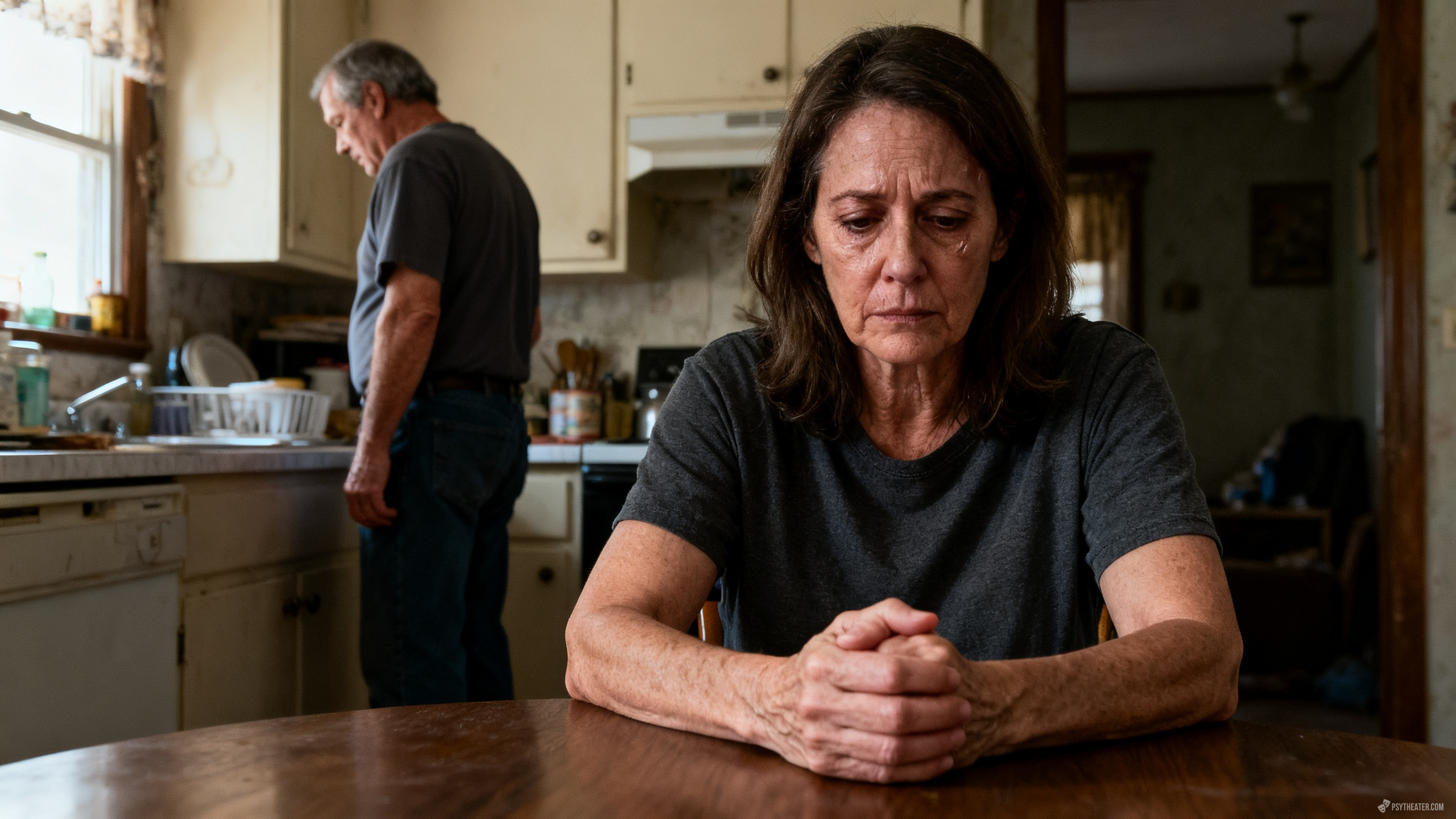
“Why is this happening to me?” That’s the question that echoes in the mind of anyone caring for a loved one with cancer—especially when the person you’re sacrificing sleep, health, and peace for suddenly lashes out, criticizes, or blames you for everything. You bring medication, only to have it thrown aside. You try to talk, and you’re told to leave. The exhaustion is physical, but the emotional toll—helplessness, resentment, shame—can be even heavier. And when you finally snap or feel a surge of anger, the guilt can be overwhelming. But here’s the truth: feeling hurt, angry, or powerless doesn’t make you a bad caregiver. It makes you human.
According to Psytheater.com, not all aggression from a loved one with cancer comes from the same place. Understanding the source is key to protecting your own well-being and responding in a way that’s both compassionate and realistic. Sometimes, the disease itself is speaking louder than the person you know.
Layers of Aggression
There are several reasons why someone with cancer might become aggressive or controlling. On a biological level, pain, medication side effects, and neurological changes can make it nearly impossible for a person to regulate their emotions. Steroids like dexamethasone, for example, can trigger sudden outbursts that even the patient regrets afterward. These moments are often brief but intense, and they’re not a reflection of the person’s true feelings toward you.
Psychologically, cancer strips away a person’s sense of control. Refusing food or medication, snapping at you, or rejecting help can be a desperate attempt to reclaim some autonomy. It’s not rational, but it’s a way for the patient to feel like they still have a say in their own life, even if it’s just by saying “no.”
On a deeper, existential level, anger can be a stand-in for fear—fear of death, fear of unfairness, fear of what’s coming next. The patient can’t fight the cancer directly, so the frustration gets redirected at the person who’s always there: you. This isn’t about you, but it lands on you all the same.
Personality Under Pressure
There’s another layer that’s harder to talk about. Illness doesn’t erase a person’s personality; it magnifies it. If your loved one was manipulative, critical, or emotionally demanding before the diagnosis, those traits may become more pronounced. Cancer doesn’t turn a difficult person into a saint. Sometimes, the disease simply removes the last social filters, and what’s left is raw and unfiltered. If you’re seeing patterns of emotional abuse or manipulation that existed before, it’s not just the illness talking.
It’s easy to fall into the trap of excusing every harsh word or action because of the diagnosis. But not all behavior should be written off as “just the cancer.” Recognizing the difference matters—not just for your loved one’s care, but for your own mental health.
Drawing the Line
Next time you’re on the receiving end of an outburst, pause for a moment. Ask yourself: Is this the medication or pain talking? Is it fear or a need for control? Or is it a familiar pattern that’s been there all along? If it’s biology or fear, empathy and patience are called for. But if it’s a longstanding pattern of manipulation or emotional harm, you have every right to set boundaries. A cancer diagnosis is not a license for someone to destroy your sense of self.
Caregiving is a marathon, not a sprint. The line between “they’re suffering, I should endure” and “this is harming me, I need to protect myself” is not always clear. But it’s real. You are not required to be a punching bag just because someone is ill. Your own limits matter, too.
For caregivers, learning to distinguish between pain-driven aggression and deeper personality patterns is a survival skill. It’s not about being less compassionate—it’s about being honest with yourself and refusing to let illness erase your own boundaries. If you’re struggling to find that line, you’re not alone. Many caregivers face the same dilemma, and support is available.
Family therapy can be a lifeline for caregivers and patients alike. A skilled therapist can help everyone involved understand the difference between disease-driven behavior and longstanding relational patterns. Therapy can also provide tools for setting boundaries, managing guilt, and coping with the emotional fallout of caregiving. If you’re feeling overwhelmed, reaching out for professional support isn’t a sign of weakness—it’s a step toward protecting both your loved one and yourself.