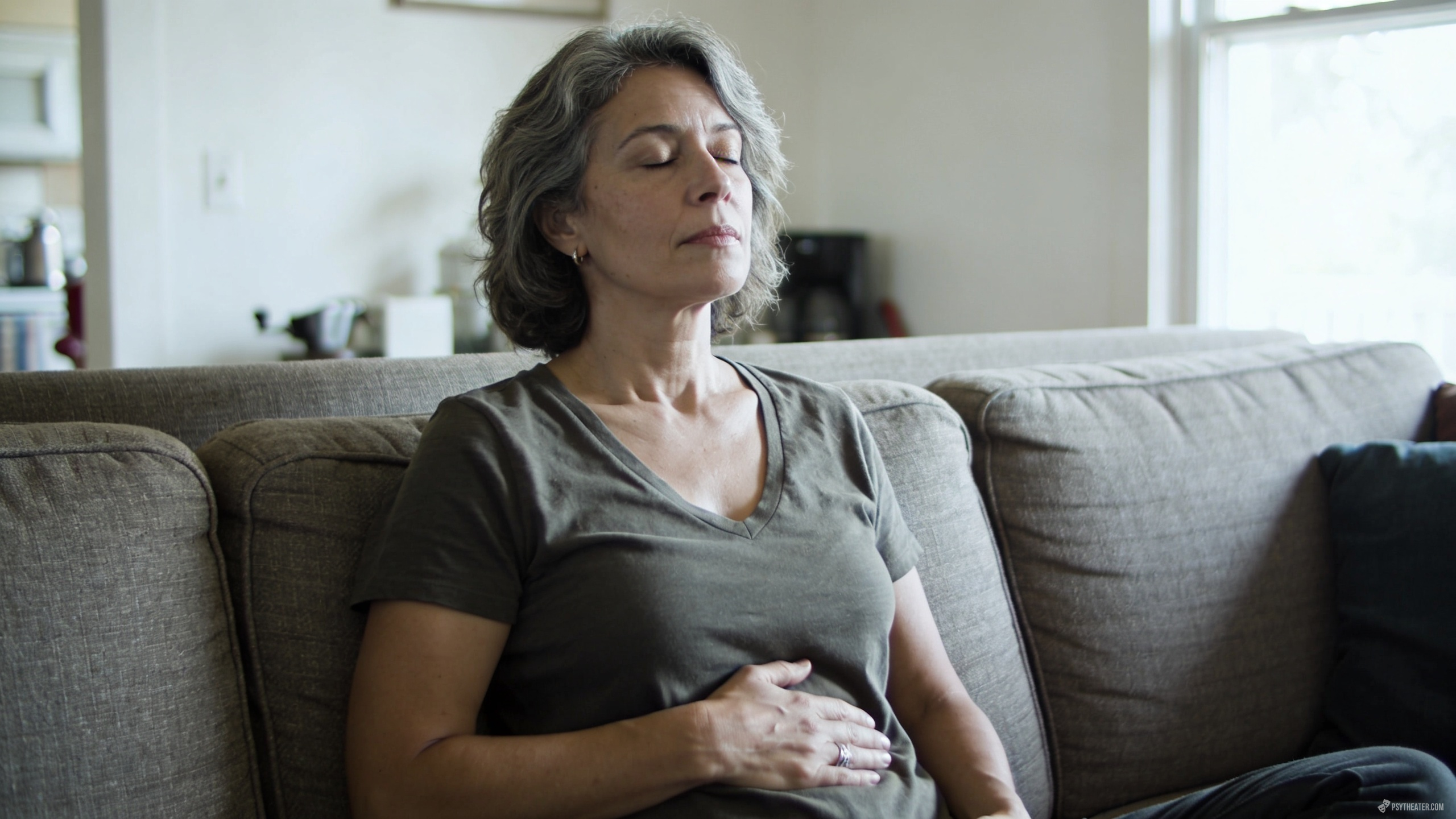
Stress doesn’t just live in your head. It shows up in your body, often first in your breath. When pressure spikes at work, at home, or even in traffic, your breathing can turn shallow and tight before you realize it. According to The Independent, breathwork specialist Jamie Clements has developed a four-part routine that helps people regain calm and control—no apps, gadgets, or special settings required.
Each of Clements’ techniques targets a different aspect of the stress response. Practiced daily, they can help stabilize your nervous system, reduce anxiety, and make it easier to handle emotional spikes. The routine is simple enough to use anywhere, whether you’re at your desk or lying awake at night.
Content:
How Stress Hijacks Your Breath
When your brain senses a threat—real or imagined—your autonomic nervous system flips into high alert. Heart rate jumps, muscles tense, and breathing shifts from deep and slow to quick and shallow, high in the chest. This is your body’s fight-or-flight mode, even if you’re just staring at a screen.
Many people start breathing so fast they nearly hyperventilate. Air moves in and out, but oxygen delivery to the brain drops, sometimes causing dizziness, brain fog, or a sense of losing control. This can trigger a feedback loop: anxious thoughts fuel rapid breathing, which in turn amplifies anxiety.
During a panic attack, the sensation can be overwhelming—tight chest, short breath, fear of suffocation. Yet the lungs themselves are usually fine. The real problem is a dysfunctional breathing pattern: too fast, too high, not enough diaphragm. Clements’ exercises are designed to retrain your body to breathe lower and slower, activating the parasympathetic nervous system—the branch that restores calm and supports mental health.
The Four Techniques
Clements, founder of The Breath Space, recommends just four exercises. Each is tailored to a specific need: grounding, calming, energizing, or deep emotional processing. No equipment is needed—just your breath and a few minutes of focus.
1. Functional Breathing: This is the foundation. Chronic stress can make you forget how to breathe naturally. The goal is to reconnect with your breath, using your diaphragm instead of your chest. Sit or lie down, relax your shoulders and jaw, and place your hands on your belly. Inhale through your nose, letting your stomach rise like a balloon. Exhale gently through your nose or mouth, feeling your belly fall. Don’t force the rhythm—just let it settle into what feels natural. This practice helps release physical tension and sets the stage for the other techniques.
2. Extended Exhale: When you need to calm down fast, focus on making your exhale longer than your inhale. Inhale through your nose for three or four counts, then exhale slowly through your mouth—like blowing through a straw—for six to eight counts. Keep your attention on the sensation of air leaving your body. Repeat for a few minutes. This slows your heart rate and signals your nervous system to stand down, making it a go-to for acute stress or anxiety spikes.
3. Energizing Breath: If you’re foggy or sluggish, try a short burst of “power breathing.” Inhale sharply through your nose, filling your belly and chest, then exhale freely through your mouth with a sigh. Do about ten quick, controlled breaths, then return to a normal pace. This boosts oxygen and can help clear mental cobwebs—no caffeine required.
4. Conscious Connected Breathing: For deeper emotional work, use a continuous breath with no pause between inhale and exhale. Lie down in a quiet place and focus on a smooth, unbroken cycle for at least ten minutes. This can bring up buried feelings, but over time it helps you process and release tension at the root. Beginners should start with shorter sessions and a safe environment.
How Long to Practice for Real Results
Quick fixes are tempting, but lasting change comes from consistency. Clements recommends 10 to 12 minutes of breathwork daily for at least four weeks to see real shifts in your nervous system. That might mean a few minutes of functional breathing in the morning, a round of extended exhales during a stressful moment, a midday energizing session, and a longer conscious breathing practice at night.
Here’s a sample breakdown:
- Functional Breathing: Morning or whenever tension rises—just a few minutes to reset.
- Extended Exhale: During stress spikes—several slow breaths to calm down.
- Energizing Breath: Morning or mid-afternoon—short, rhythmic bursts to boost focus.
- Conscious Connected Breathing: Once daily, ideally in a quiet spot—at least ten minutes for deep release.
Over time, this routine can help regulate your heart rate, lower baseline stress, and improve emotional resilience. The key is not duration but daily repetition—think of it as training for your nervous system.
FAQ: Breathing and Anxiety
How do I use breathing to stop a panic attack? Focus on slow abdominal breathing and long exhales. Place a hand on your belly, inhale through your nose, and exhale slowly through your mouth. This can help break the cycle of panic.
When should I do these exercises? They work best as part of a daily routine—morning, before stressful events, after conflict, or before bed. Consistency matters more than timing.
How can I slow my heart rate with breathing? Make your exhale longer than your inhale. This activates the parasympathetic system and helps your body shift out of fight-or-flight.
What is conscious breathing? It’s paying full attention to your breath, moment by moment, without judgment. In Clements’ method, it means a smooth, connected cycle with no pauses, used for deep emotional work.
How does breathwork change the nervous system? Regular practice makes your nervous system more flexible and less reactive. It helps you move from stress to calm more easily and builds emotional resilience.
How long can anxiety disrupt breathing? The physical effects are usually brief, even if they feel endless. Once you regain control of your breath, your body typically resets. If episodes are frequent, consult a healthcare professional.
Breathwork is gaining traction in therapy and wellness circles, but it’s not a cure-all. For people with chronic anxiety or panic, structured breathing can be a powerful tool—especially when combined with therapy, medication, or other evidence-based treatments. The science behind breathwork is still evolving, but early research suggests it can help regulate the nervous system, improve mood, and support recovery from stress-related conditions. As with any mental health strategy, the best results come from a personalized approach and ongoing support from qualified professionals.