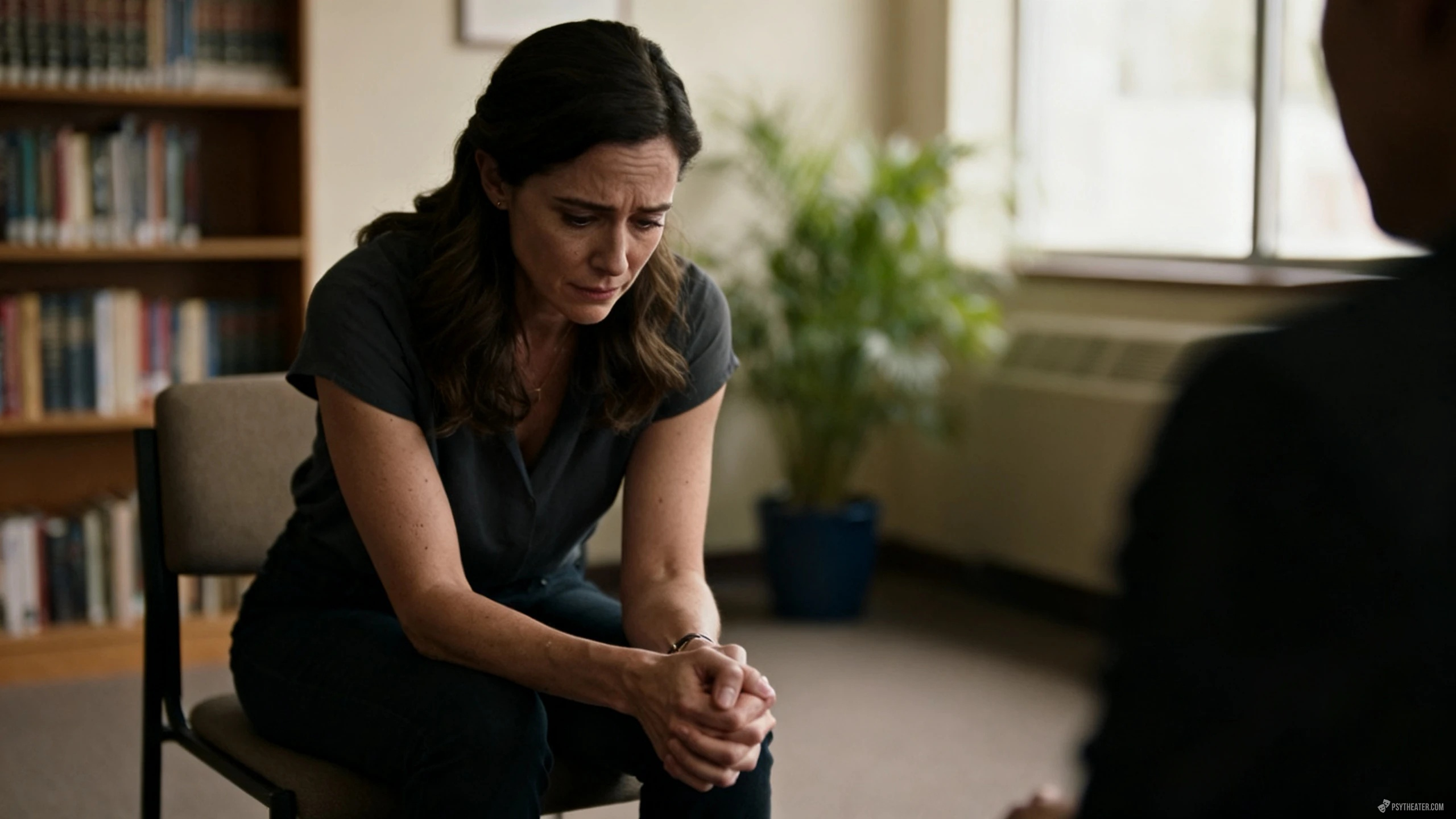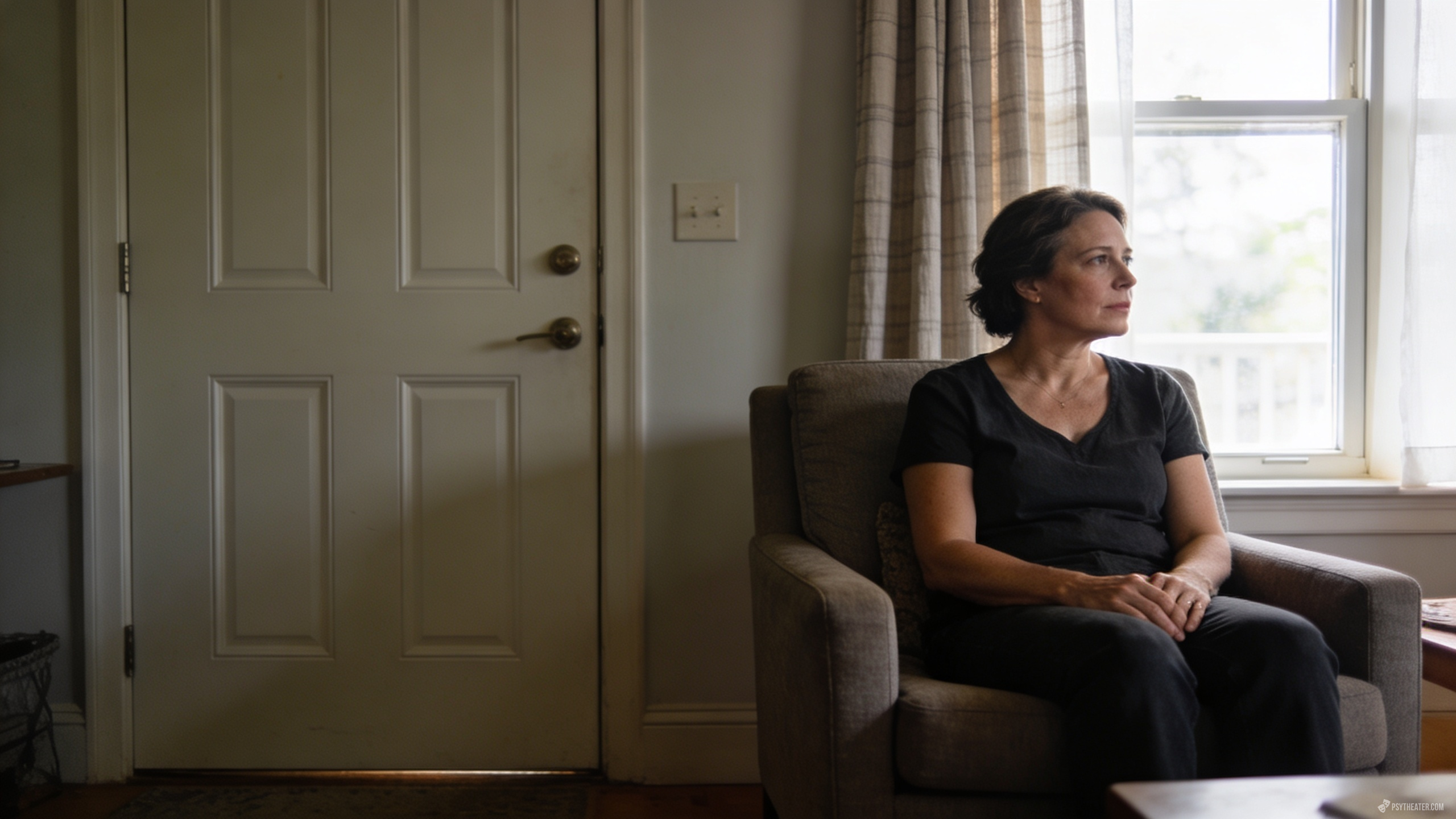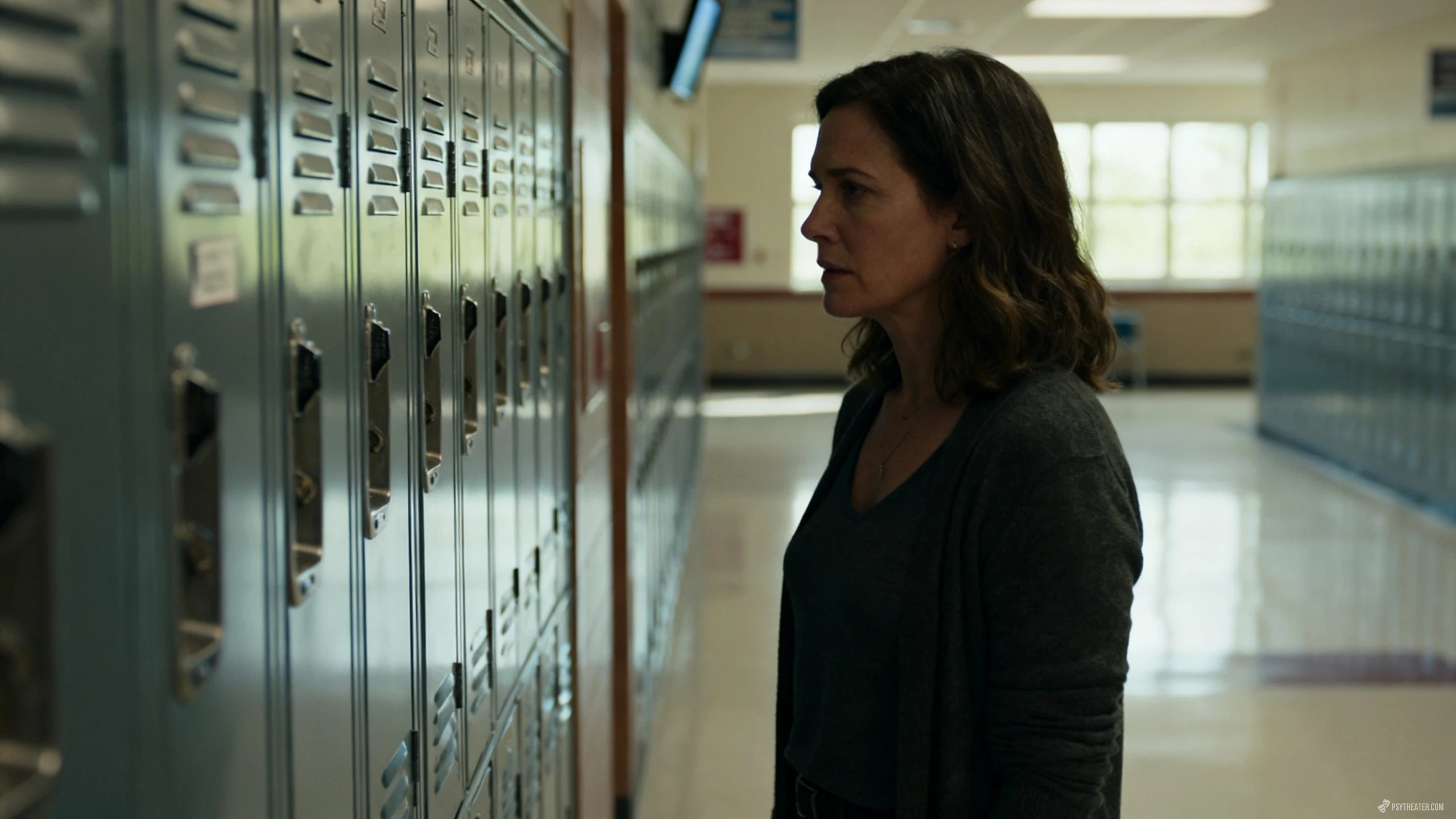
There are moments when life narrows to a single, suffocating sensation: you’re trapped. No matter how long you turn the problem over, every path looks blocked. You replay options, but each one seems worse than the last. Exhaustion sets in. The hardest part isn’t always the problem itself—it’s the creeping sense that nothing will ever change.
When you’re overwhelmed, your mind starts to shrink the world. You stop noticing details. You lose sight of what’s still working. You forget that change is possible. In this state, even minor setbacks can feel catastrophic. The brain’s threat response takes over, and the future collapses into a single, hopeless moment. According to Psytheater.com, this isn’t always a reflection of reality. More often, it’s a sign you’re overloaded and can’t see the full picture.
It’s crucial to recognize that you don’t have to solve everything at once. In crisis, the urge is to find an instant fix—not a real solution, but anything to stop the pain. That’s a different task entirely. The first step is to pause—not to give up, but to stop the frantic mental spinning. Drop the self-interrogation: “Why can’t I handle this?” “Why am I here again?” “What’s wrong with me?” Sometimes, the most powerful move is to admit: “I’m scared. I’m lost. This is hard.” Naming the feeling brings you back to reality, and from there, movement becomes possible.
Next, let go of the demand to fix your whole life in one move. People in crisis often try to map out every answer: what to do, how to live, how to avoid mistakes, how to repair everything. But when you’re tense and depleted, big questions only deepen paralysis. Instead, ask: “What’s the smallest step I can take right now?” Not next week. Not after you’ve pulled yourself together. Right now.
That step might seem trivial. Call someone. Ask for advice. Write down your options. Go to bed instead of torturing yourself at 2 a.m. Delay a tough conversation until tomorrow. Say “no” where you can’t keep going. Admit you need help. Most of the time, the way out doesn’t arrive as a grand revelation. It emerges through small, practical moves that restore a sense of agency.
It’s also worth remembering: not every situation calls for heroics. Sometimes, the healthiest choice is to stop fighting. Don’t force yourself to save a relationship that’s breaking you. Don’t stay in a job that’s draining you dry. Don’t carry everything alone. Don’t try to be strong at any cost. Maturity sometimes means recognizing your limits and stepping back.
When you’re convinced there’s no way out, try removing the word “never” from your mind. Right now, things are hard. Right now, you can’t see the road. That doesn’t mean it doesn’t exist. It may just mean you need a pause, support, and a gentler view of yourself.
Real change rarely starts with a perfect plan. It starts when you stop drowning in fear and begin to reconnect with yourself—your breath, your reality, your next step. Sometimes, that’s all it takes for a sliver of light to break through the dark.
In clinical practice, therapists often see clients who mistake emotional overload for permanent failure. This is a common cognitive distortion, especially under chronic stress or after repeated setbacks. Treatment focuses on restoring perspective, building tolerance for uncertainty, and helping people break problems into manageable pieces. Small, concrete actions—paired with honest self-reflection—can gradually shift the sense of paralysis. Over time, this approach helps people regain trust in their own ability to navigate life’s hardest stretches.