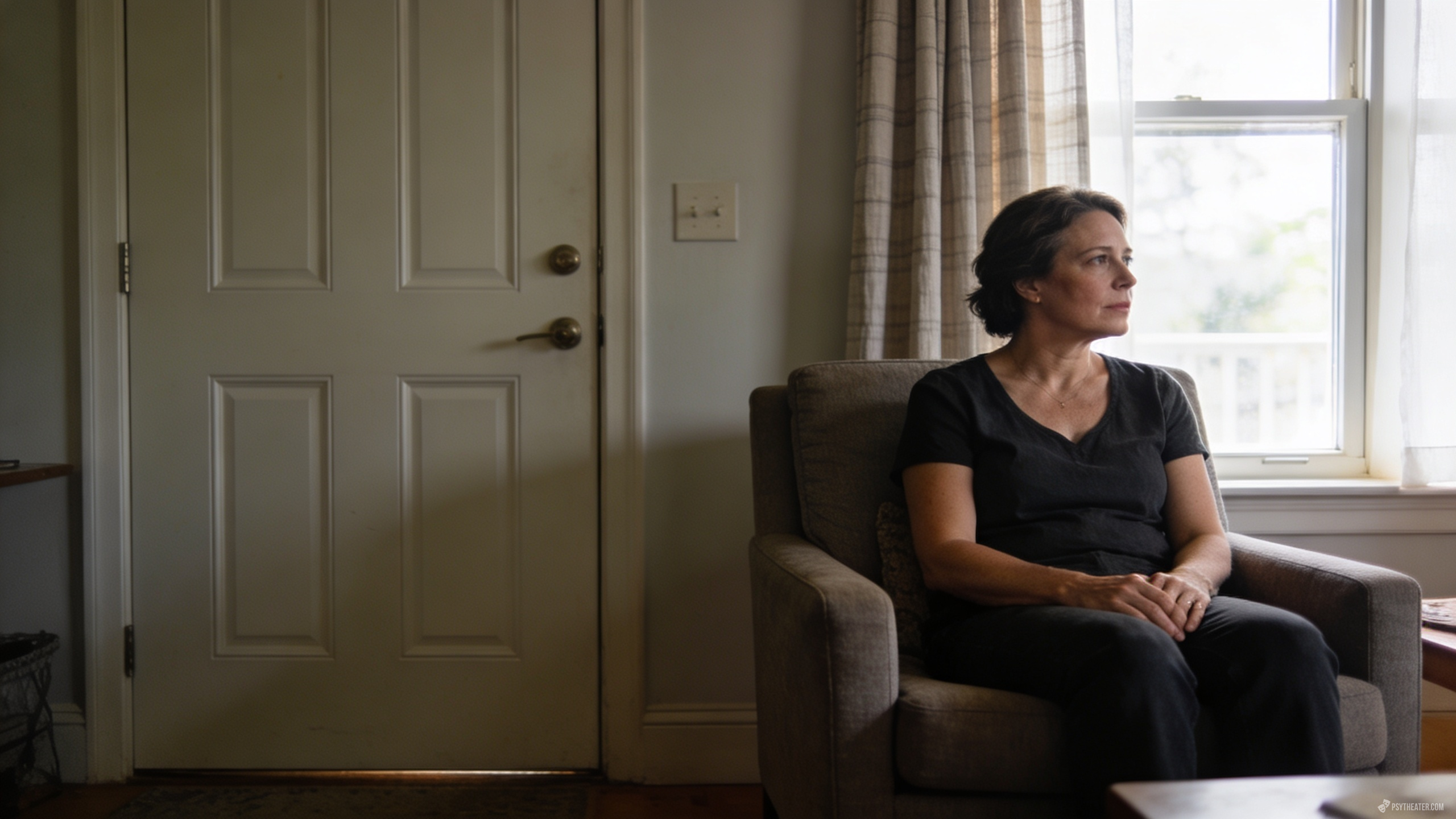
In therapy offices across America, clients often arrive with a carefully constructed list of surface problems: work stress, fatigue, arguments at home. These are the safe topics, the ones that feel acceptable to share. But beneath that facade, there are stories and urges that rarely see daylight—locked away by shame, secrecy, and the fear of being seen as “abnormal.”
One of the most common—and least discussed—subjects is sexuality that doesn’t fit the cultural script. For many, even admitting to themselves that they have desires or fantasies outside the norm feels dangerous. The worry isn’t just about being misunderstood; it’s about being fundamentally rejected. The fear is that if a therapist knew the truth, they’d recoil or judge. But the reality, according to Psytheater.com, is that therapists are trained to hold space for the full spectrum of human experience, including the parts clients most want to hide.
Our culture tends to split the world into binaries: healthy or deviant, normal or perverse. But in existential and psychodynamic therapy, these lines blur. What looks like a “strange” fantasy is often a coded message from the psyche—a signal about unmet needs, pain, or the longing for relief. The more someone tries to suppress or deny these parts, the more power they gain in the shadows, shaping behavior in ways that can feel out of control.
Consider the story of a client who spent weeks in therapy talking about everything except what really haunted him. Only after building trust did he reveal a long-hidden sexual fantasy involving submission—a secret he’d kept even from himself. When he finally spoke it aloud, the world didn’t end. Instead, he and his therapist examined it together. What emerged wasn’t a monster, but a man exhausted by responsibility, seeking a place to feel safe and vulnerable. Naming the secret stripped it of its power; it became just another part of his story, something to work with rather than run from.
Trust is not automatic in therapy. It’s earned, and it’s fragile. Clients have every right to be cautious. Confidentiality isn’t just a legal formality—it’s the bedrock of the therapeutic relationship. The promise is simple: what’s shared in the room stays there. That safety is what allows people to bring their “shadows” into the light, to risk being seen and accepted as whole.
It’s important to remember that a fantasy or impulse, by itself, is neutral. It doesn’t define a person’s character or worth. The real prison is the one built from self-judgment and shame. For those not ready to speak their truth aloud, even a small act—like writing down the most uncomfortable thought on a piece of paper—can be a first step. The paper won’t burn. The world won’t end. You are not your thoughts; you are the one who can look at them and decide what comes next.
Freedom, in this context, means having the courage to be whole—with all your scars, quirks, and shadows. Therapists don’t expect “perfect” stories. They expect honesty, and they’re prepared to walk with clients through the darkest corridors of the mind, without flinching or turning away.
For anyone carrying a secret that feels too heavy to share, know this: your story deserves a safe place. And the right therapist will meet you there, eyes open, judgment set aside.
Therapy is not about erasing discomfort or making every thought palatable. It’s about building the capacity to face what’s real, to understand the roots of shame, and to reclaim agency over your own narrative. In the U.S., therapists are bound by strict confidentiality and ethical codes, but more importantly, by a commitment to seeing clients as complex, resilient, and worthy of acceptance. The process is rarely easy, but it can be transformative—especially when the secrets finally come out of the dark.