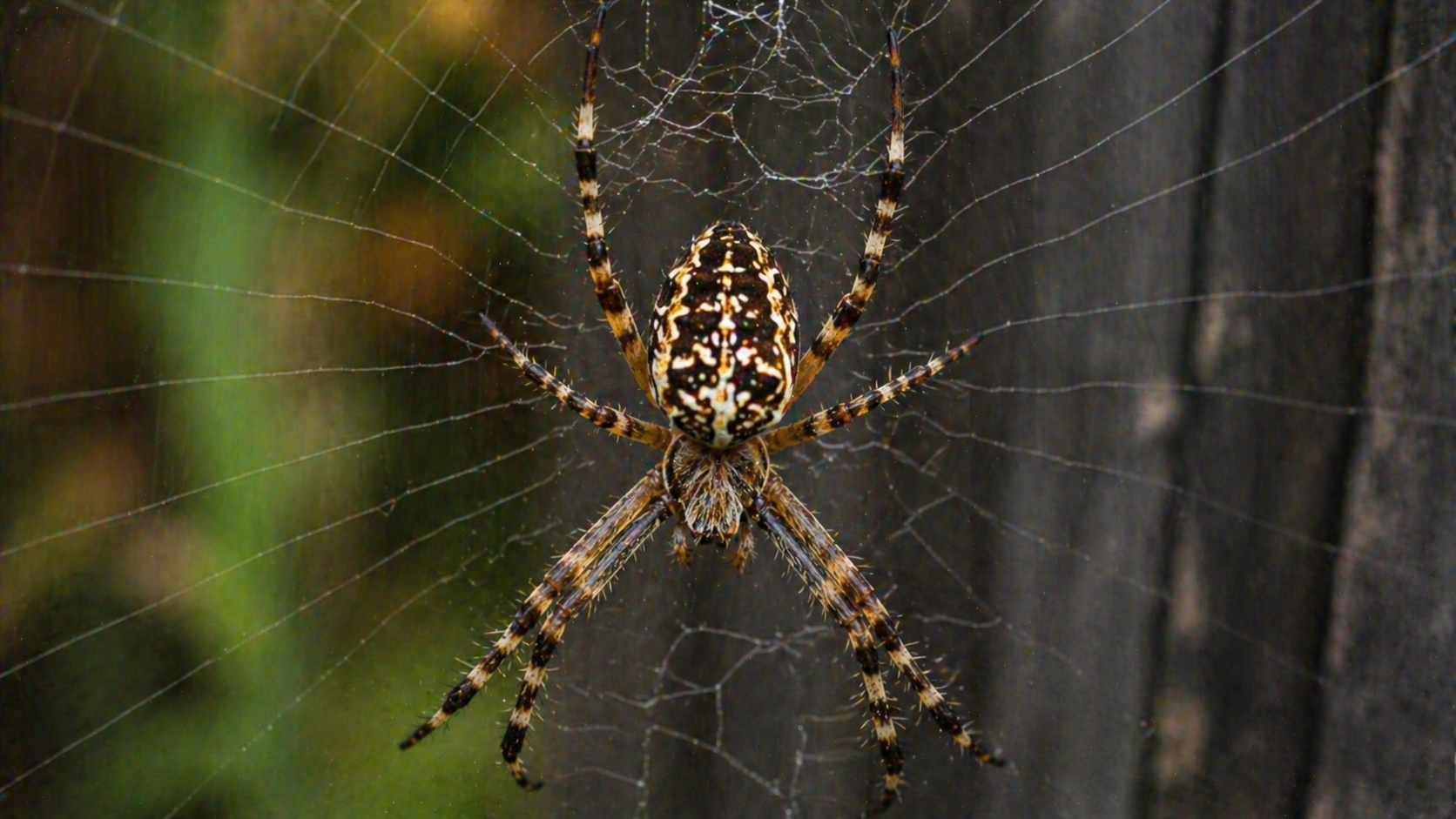
For many, the mere sight of a spider is enough to trigger a cascade of intense reactions—racing heart, sweating, trembling, a sense of suffocation, or an overwhelming urge to escape. These are classic symptoms of arachnophobia, a specific anxiety disorder that extends far beyond a simple dislike of spiders. While a basic fear of these eight-legged creatures may be hardwired into us, psychologists emphasize that true arachnophobia often has deeper psychological roots.
Despite their unsettling appearance, spiders play a crucial role in maintaining ecological balance. As members of the arthropod family, they feed on a wide range of insects, including mosquitoes, gnats, and even cockroaches. In their own way, spiders help keep our living spaces cleaner and our ecosystems healthier, even if their webs are sometimes unwelcome. Their hunting skills are supported by a sophisticated array of senses and tools, making them highly effective predators.
Research suggests that our fear of spiders is, to some extent, innate. According to a 2017 study published in Frontiers in Psychology, scientists from Germany, Austria, and Sweden showed images of snakes and spiders to infants. The babies’ pupils dilated—a physiological sign of stress—when confronted with these creatures, indicating that the apprehension is present from birth. As reported by Mariefrance, about 40% of people experience some level of fear when it comes to spiders, a statistic that underscores the widespread nature of this response.
Yet, the psychological meaning of spiders goes beyond biology. Sigmund Freud famously linked the image of the spider to that of a predatory mother—an ever-watchful, sometimes overbearing figure who is quick to pounce on any misstep. In this interpretation, the spider becomes a symbol of a maternal presence that is both protective and threatening, mirroring the way spiders prey on smaller animals.
Not everyone with an innate fear develops arachnophobia. Often, the phobia is triggered by a traumatic experience. Clinical psychologist Evelyne Josse recounts cases where a single frightening encounter—such as seeing a tarantula in a classroom display as a child—can set off a lifelong phobia. These early experiences can leave a lasting imprint, shaping how individuals respond to spiders for years to come.
The environment in which a person grows up also plays a significant role. Family attitudes and learned behaviors are powerful factors in the transmission of phobias. If a child is raised in a household where certain animals or situations are met with exaggerated fear, they are more likely to develop similar anxieties. The secretive lifestyle of spiders—preferring dark, hidden spaces and moving unpredictably—only adds to their reputation as creatures to be feared.
Popular culture does little to help. In movies and literature, spiders are often depicted as giant, menacing, and even evil beings, preying on humans or lurking with sinister intent. These portrayals reinforce negative stereotypes and can amplify existing fears, making it even harder for those with arachnophobia to overcome their anxiety.
Understanding the roots of arachnophobia can help demystify the condition and open the door to effective treatment. Whether the fear is innate, learned, or the result of a traumatic event, recognizing its origins is the first step toward managing it. For those struggling with intense fear, psychological support and exposure therapy can offer meaningful relief.
Source: Mariefrance