Emotional calm is easy to romanticize and hard to pin down. For many, the idea of inner harmony sounds like a luxury reserved for people with fewer worries, less noise, or a different life altogether. But the reality is more complicated—and more universal. According to Psytheater.com, the longing for a sense of peace with oneself is a common thread running through countless lives, regardless of age or background.
Consider Anna, a young woman living in a small American town where the days seem to stretch and the pace rarely changes. She works at the local library, surrounded by stories of other people’s lives, but her own feels unsettled. Anna’s days are filled with routine, yet she can’t shake a sense of restlessness and isolation. She’s not alone in this. Many adults, even those with stable jobs and predictable routines, report feeling disconnected from themselves, unsure how to bridge the gap between what they do and what they feel.
One afternoon, Anna wanders along the riverbank and spots a small house perched on a hill. The place looks abandoned, but something about it draws her in. Inside, she finds the remnants of a life: paintings, sketches, and journals left behind by an artist who once lived there. Anna begins to spend time in the house, studying the art and reflecting on the artist’s journey. The quiet, the solitude, and the evidence of another person’s search for meaning start to shift something inside her. She feels a slow, unfamiliar sense of calm. The house becomes a refuge—a place where she can breathe, think, and, for the first time in years, feel at ease in her own skin.
Anna’s story is not about a sudden transformation or a dramatic breakthrough. Instead, it’s about the slow, sometimes invisible process of finding balance. She keeps her job at the library, continues her daily routines, but now she carries with her the knowledge that peace is possible, even if it’s fragile and fleeting. The house on the hill becomes a symbol—a reminder that harmony isn’t a destination but a practice, something to return to when the world feels overwhelming.
For many, moments of inner harmony arrive unexpectedly: a flash of joy at the sight of clouds, a wave of gratitude in the middle of a busy street, or even tears that come without warning but feel oddly right. These are not signs of weakness or instability. They are evidence of a mind and body responding to life’s complexity. Emotional balance, as described by Psytheater.com, is not about erasing pain or achieving constant happiness. It’s about learning to recognize and accept the full range of feelings, to notice when energy flows freely and when it gets stuck, and to seek out practices—meditation, reflection, creative work—that help restore a sense of order.
Harmony with oneself also means accepting that contradictions are part of being human. The urge to chase new experiences can coexist with the need for stability. The desire for solitude can live alongside the longing for connection. In the language of psychology, this is about integration: bringing together the different parts of the self, rather than forcing them into silence or conflict. For some, this process involves spiritual exploration or a search for meaning beyond the material. For others, it’s about finding a workable balance between personal needs and larger values.
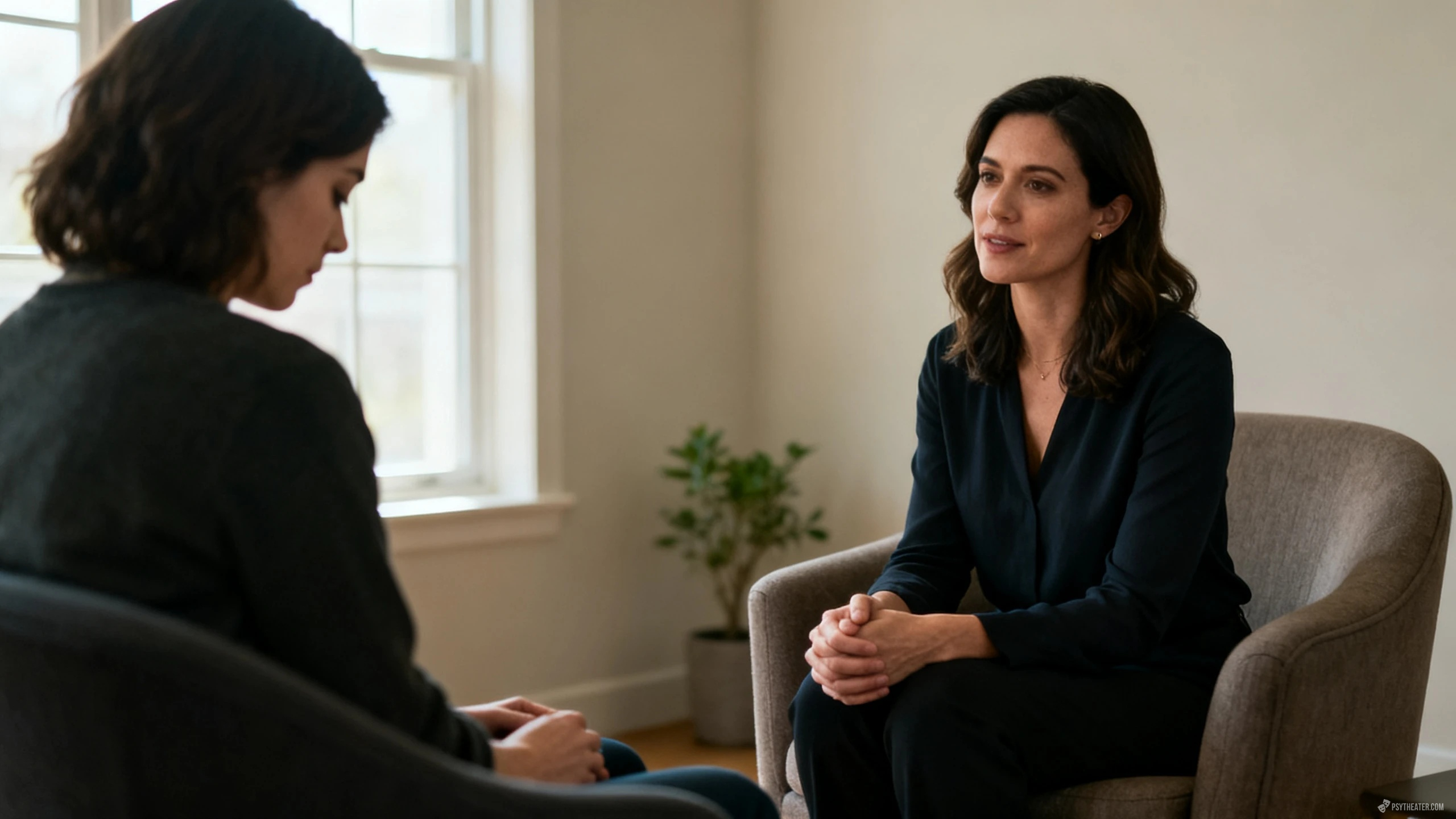
What stands in the way of inner harmony? Often, it’s the pressure to meet external expectations, the habit of ignoring uncomfortable emotions, or the belief that peace is only for other people. Many adults report feeling blocked by old patterns, unresolved conflicts, or a sense that their lives are out of sync with their true selves. Therapy, self-reflection, and honest conversation can help, but there is no single path. The work is ongoing, and the results are rarely perfect.
Some people describe moments of harmony as a kind of quiet joy—tears that come not from sadness but from relief, gratitude, or a sudden sense of belonging. These moments may be brief, but they matter. They remind us that emotional balance is not a myth or a privilege. It’s a possibility, available in small doses, even in the middle of ordinary chaos.
In the end, the search for harmony with oneself is less about achieving a permanent state and more about learning to notice, accept, and nurture the moments when things feel right. It’s about building a relationship with your own mind and body, one that can withstand the noise and demands of daily life. For Anna, and for many others, the journey is ongoing—but the possibility of peace is real.
In clinical psychology, the concept of emotional balance is closely linked to self-awareness and self-acceptance. Therapists often encourage clients to explore their emotional patterns, identify sources of internal conflict, and develop strategies for managing stress and uncertainty. Practices like mindfulness, journaling, and creative expression can support this process, but progress is rarely linear. The goal is not to eliminate negative feelings but to build resilience and flexibility, allowing for a fuller, more authentic experience of life.