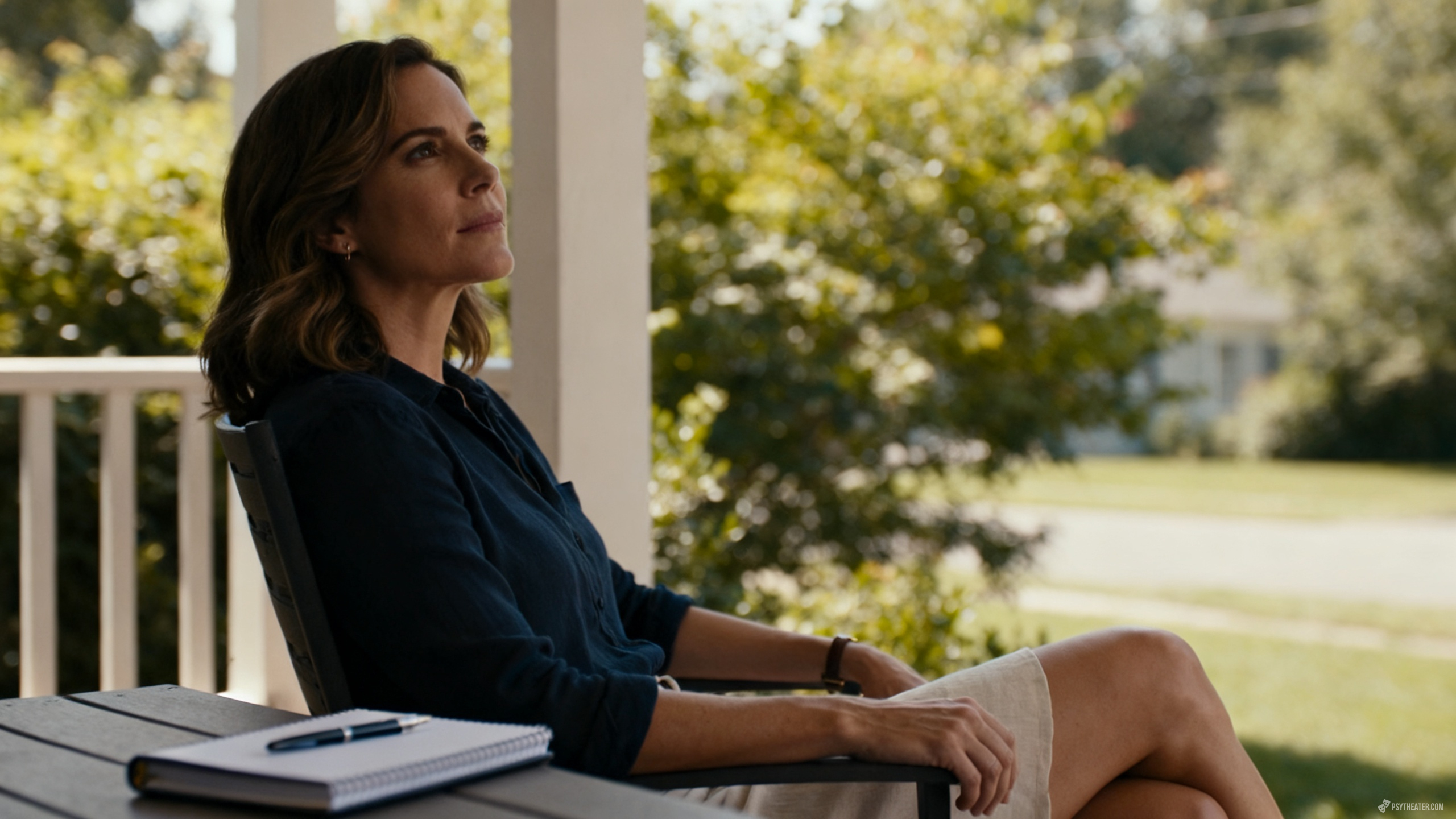
As soon as the calendar flips to June, a subtle but powerful pressure sets in. Summer is supposed to be a break, but for many Americans, it becomes a three-month sprint to check off as many “must-do” experiences as possible. The urge to maximize every weekend, every vacation day, every evening—beach trips, backyard projects, rooftop dinners, reading goals, new hobbies—can leave us more depleted than restored. According to Psytheater.com, this drive to plan and optimize summer isn’t just about organization. It’s often a sign of deeper anxiety and a need for control.
For people with anxious or perfectionist tendencies, uncertainty feels threatening. The mind responds by trying to schedule away the unknown: If every hour is mapped out, nothing bad can happen. But this illusion of safety comes at a cost. Instead of enjoying the moment, we’re mentally racing ahead to the next item on the list. The result? Emotional fatigue, not relaxation. The “perfect summer” becomes another performance metric, and any missed goal—ten books unread, a trip not taken—feeds the inner critic.
Rigid planning also blocks the very experiences that make summer memorable. When every day is scripted, there’s no room for the spontaneous: a last-minute road trip, a late-night walk, a conversation that runs long. The most restorative moments are often unplanned, but a hyper-controlled schedule leaves no space for them. And when plans inevitably fall through, frustration and guilt creep in, undermining any sense of accomplishment.
Finding Balance
Letting go of the “all or nothing” mindset doesn’t mean abandoning structure. Total chaos is just as stressful as overplanning. The key is flexible planning—knowing which commitments truly require structure (work deadlines, travel logistics, family obligations) and which can be left open. Protecting blocks of unscheduled time—whole afternoons or evenings with no agenda—gives your mind permission to rest and respond to what you actually need in the moment.
During these open periods, the question shifts from “What should I do?” to “What do I want right now?” Maybe it’s quiet, maybe it’s movement, maybe it’s connection. This approach isn’t lazy or aimless. It’s a deliberate way to restore your nervous system and reconnect with what feels good, not just what looks productive on paper.
Research in positive psychology and somatic therapy backs this up: Spontaneity lowers chronic tension and helps regulate mood. When we allow ourselves to act on impulse—taking a detour, lingering in conversation, following a creative urge—we tap into the part of ourselves that’s curious, playful, and alive. The memories that sustain us aren’t usually the ones we planned. They’re the ones that surprised us.
Letting Go of the Inner Taskmaster
Lowering expectations for summer isn’t giving up. It’s a form of self-care. By allowing the season to unfold at its own pace, we rebuild trust in ourselves and in life’s unpredictability. Summer doesn’t have to be a productivity contest or a highlight reel. It can be a time to notice what you’re missing, to recover from the year’s demands, and to listen to your own rhythms. That means recognizing when your inner taskmaster is taking over—and choosing to close the planner, step outside, and let something unplanned happen.
If you notice yourself slipping into hyper-control, it may help to talk with a therapist about ways to loosen your grip and build comfort with uncertainty. The skill to practice this summer isn’t doing more. It’s learning to let yourself just be.
In therapy, the distinction between anxiety-driven control and healthy structure is a frequent topic. Many clients struggle to find the line between planning for security and overplanning out of fear. Techniques like mindfulness, somatic awareness, and values-based scheduling can help people notice when their nervous system is in overdrive and gently shift toward more flexible, self-compassionate routines. The goal isn’t to eliminate plans, but to make space for rest, surprise, and genuine enjoyment—especially in a season meant for renewal.