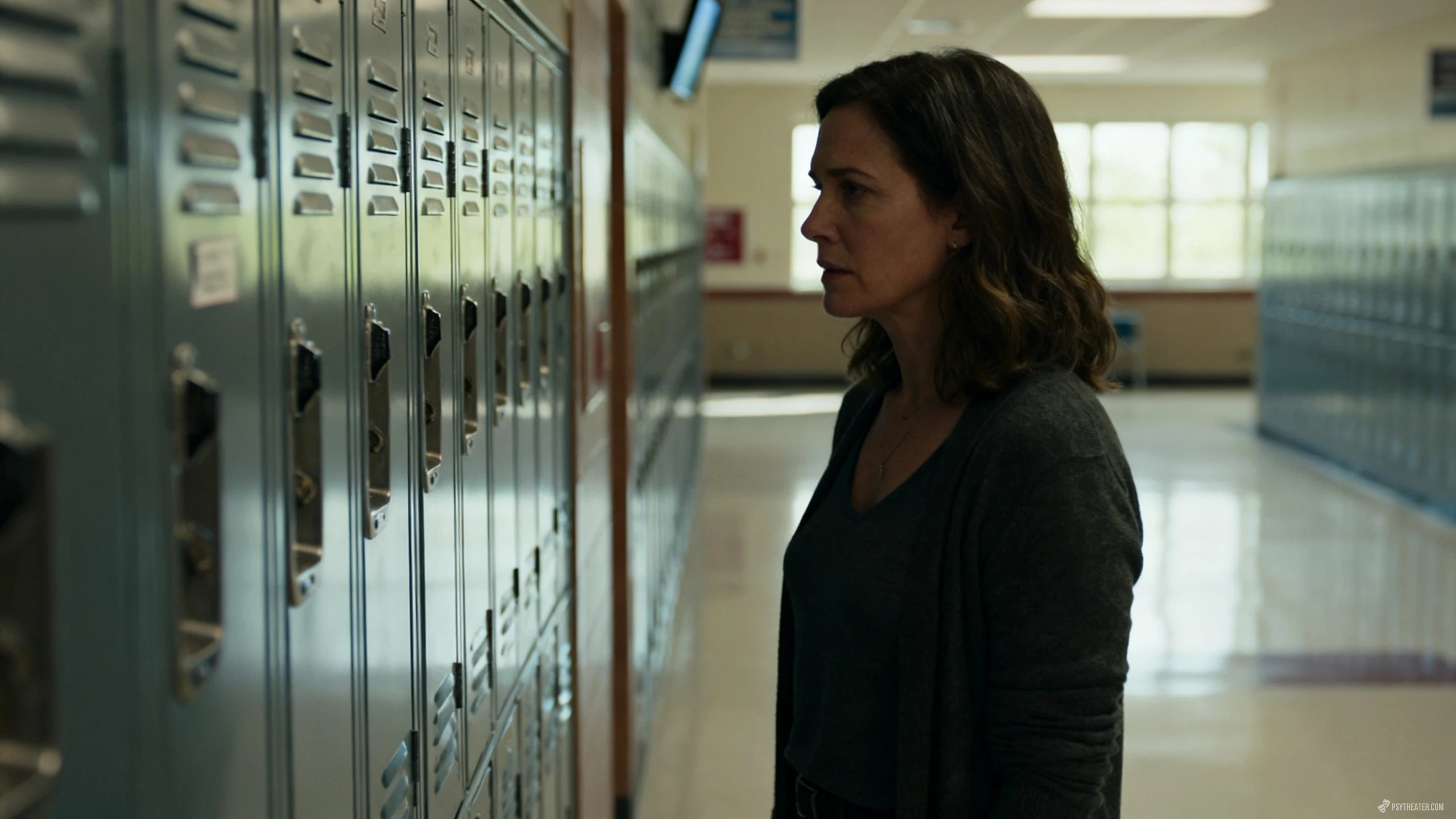
“The best years of your life.” That’s how American culture often frames childhood and adolescence, especially the school years. The myth is everywhere: in songs, in movies, in the way adults reminisce at reunions. We’re told to look back on those days with warmth, nostalgia, and a touch of bittersweet longing. But for many, the reality is far more complicated—and sometimes, quietly painful.
According to Psytheater.com, the expectation to cherish school memories can feel suffocating for those whose experiences were marked by loneliness, humiliation, or fear. The classroom, for some, was not a place of belonging but a system they couldn’t escape. Children don’t choose their classmates, their teachers, or the rules that shape their daily lives. If home wasn’t a safe haven, school could become a double bind: nowhere to turn, no way out. The result? Memories that linger not as golden moments, but as reminders of feeling “different,” isolated, or simply not good enough.
It’s common to hear adults admit they avoid reunions, never search for old classmates, and have no desire to revisit those years. The pressure to romanticize the past can even spark guilt—“What’s wrong with me if I don’t miss it?”—especially when everyone else seems to be waxing poetic about “Uchat v shkole” and first crushes. But the absence of nostalgia isn’t a character flaw. It’s often a sign that those years were genuinely hard, and that the mind is doing its best to protect itself from pain that hasn’t fully healed.
For some, the wounds of school are subtle: the sting of being picked last, the anxiety of being called to the board, the ache of unreturned affection. For others, the scars are deeper—bullying, adult indifference, or punishment for not measuring up. These experiences can shape self-esteem, trust, and even the ability to form healthy relationships later in life. The cultural script that insists on “cherishing” school years can make it harder to process these wounds, let alone seek help.
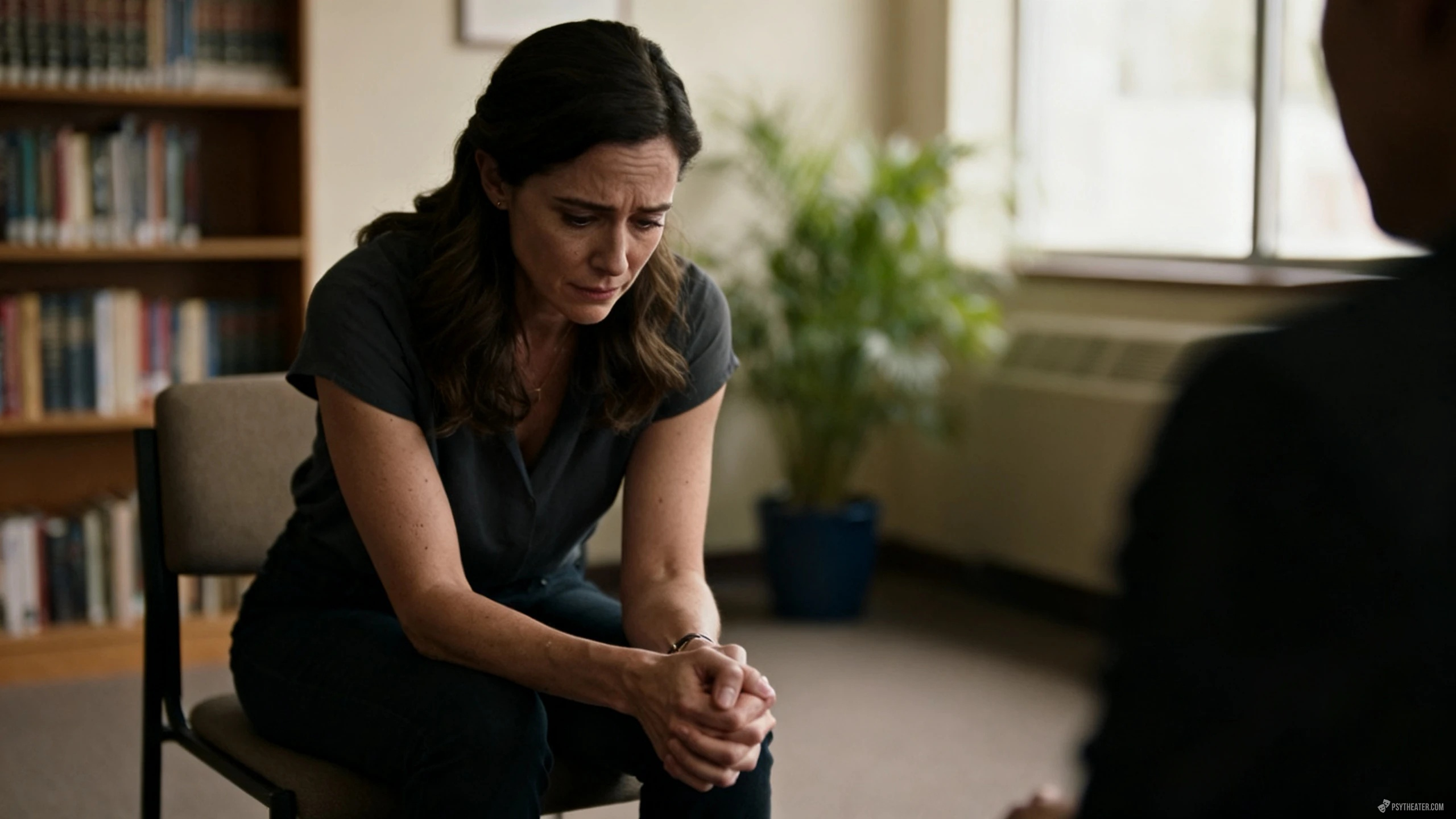
As adults, we have the freedom to feel what we actually feel, not what we’re told to feel. It’s okay to acknowledge that school was a formative chapter, but not a happy one. There’s no need to force closure by attending reunions or forgiving those who hurt you before you’re ready. If memories of school still weigh heavily, and it’s hard to move forward, reaching out for professional support can be a crucial step. Therapy offers a space to unpack those experiences, challenge the myths, and begin to heal on your own terms.
School-related trauma is a recognized phenomenon in psychology. It can manifest as anxiety, avoidance, or persistent low self-worth. While not everyone who struggles with school memories meets criteria for a clinical diagnosis, the emotional impact is real. Therapists often help clients reframe these experiences, build self-compassion, and develop new narratives that honor both the pain and the resilience it took to survive. Healing doesn’t mean rewriting the past—it means giving yourself permission to see it clearly, and to move forward without shame.