The days before a major exam can feel like a pressure cooker. For many teens and young adults, the lead-up to standardized tests like the SAT, ACT, or state graduation exams brings a surge of anxiety that’s hard to shake. Racing thoughts, a tight chest, and the sense that you’re about to fail—these are not rare. They’re the body’s stress response, and they can derail even the best-prepared student.
But there are ways to interrupt the spiral. According to Psytheater.com, three simple techniques can help ground you in the moment, whether you’re at home, on the bus, or sitting at your desk waiting for the test to start. These aren’t magic tricks. They’re practical, evidence-based tools that help regulate the nervous system and bring your focus back to the present.
Breathing and Grounding
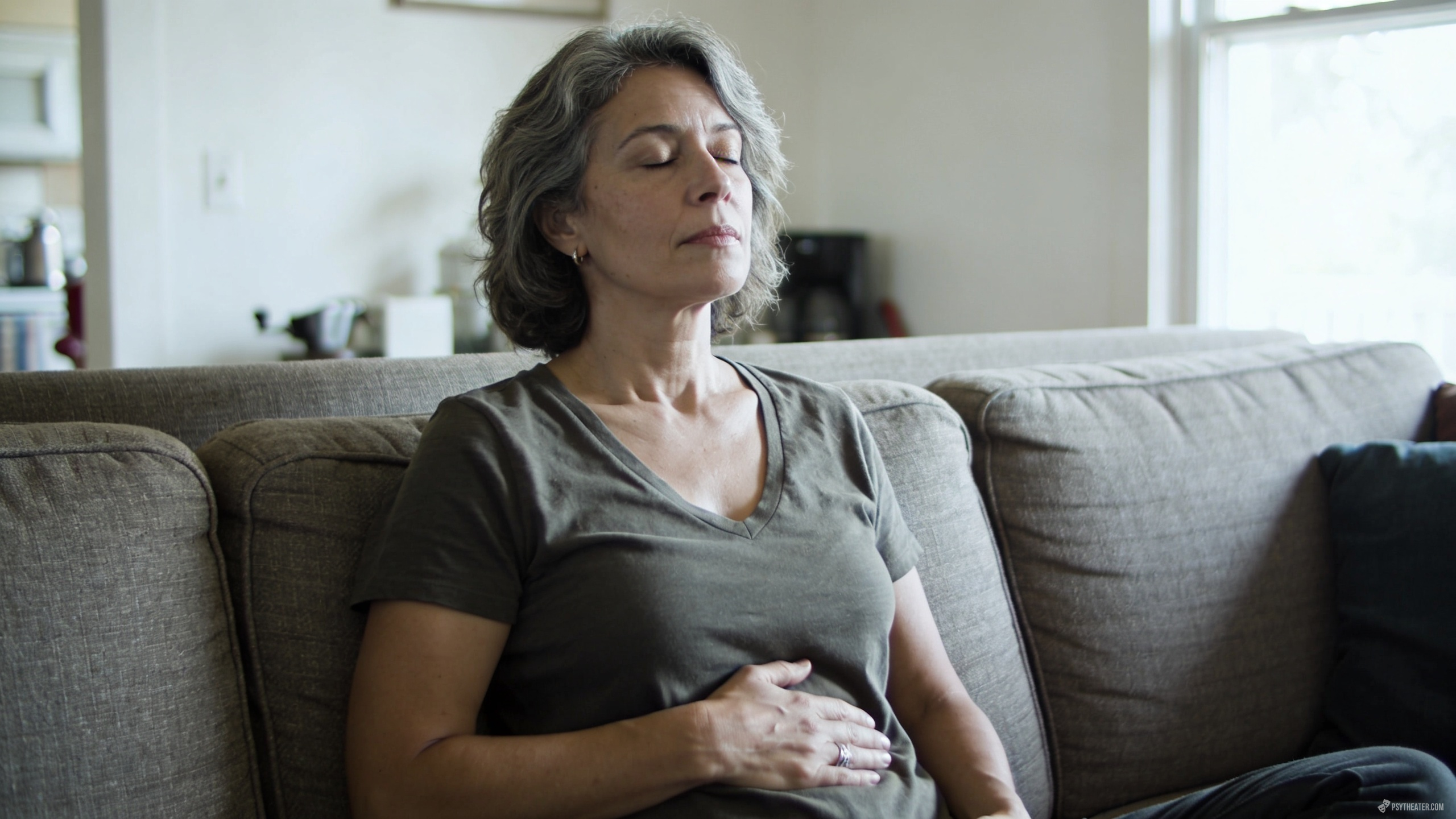
The first tool is called box breathing. Sit comfortably, exhale fully, then inhale through your nose for a slow count of four. Hold your breath for four counts. Exhale through your mouth for four counts. Hold again for four. Repeat this cycle five times. This pattern slows your heart rate and signals your body that you’re safe, not in danger. It’s a staple in stress management for a reason: it works fast, and you can do it anywhere.
The second technique is the 5-4-3-2-1 grounding exercise. Look around and silently name five things you can see—maybe your hand, a pencil, the window, a lamp, the floor. Next, notice four sounds you can hear, like footsteps, the hum of the lights, your own breathing, or distant voices. Then, focus on three sensations you feel—your feet on the ground, the chair against your back, the fabric of your shirt. Identify two smells, even if it’s just the air or a hint of coffee. Finally, notice one taste in your mouth. This sequence pulls your attention away from anxious thoughts and back into your body and environment.
Self-Talk and Support
When anxiety spikes, what you say to yourself matters. Try repeating phrases like, “This is just fear. It will pass,” or “I’m doing my best, and that’s enough.” Remind yourself that you’re not alone—many others are feeling the same pressure. If it helps, write these lines on a slip of paper or save them in your phone. Having a tangible reminder can make a difference when panic hits.
Parents and teachers play a crucial role here. Instead of dismissing a child’s fear with “Don’t worry, it’s nothing,” acknowledge the struggle: “I see this is hard for you. I’m here.” Practicing these techniques together, modeling calm breathing, and validating the student’s feelings can help lower the emotional temperature. Kids are more likely to calm down when the adults around them are steady and present.
Pre-Exam Rituals and When to Seek Help
Establishing a short ritual before entering the exam room can help set the tone. Stand up, roll your shoulders back, take three deep breaths, and tell yourself, “I’m ready. I can handle this. Whatever happens, I’ll get through it.” This isn’t about pretending you’re not anxious—it’s about giving your body and mind a clear signal that you’re prepared to face what’s next.
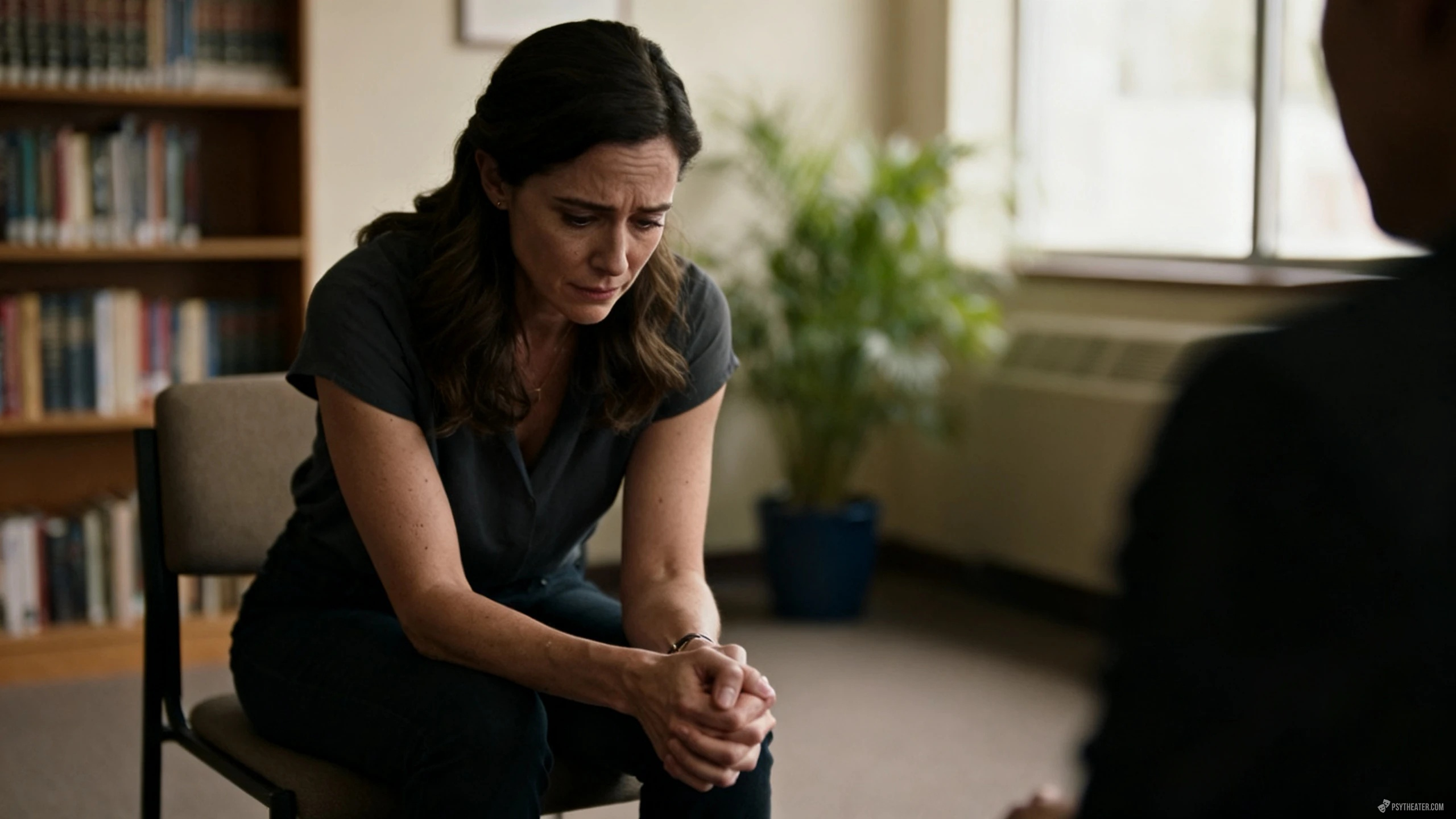
But if anxiety doesn’t let up—if panic attacks keep coming, or if fear is interfering with sleep and eating—it’s time to reach out for professional help. Seeing a psychologist or counselor isn’t a sign of weakness. It’s a step toward taking care of yourself, and it can make a real difference in how you manage stress, both now and in the future.
Learning to manage pre-exam anxiety is a skill that pays off long after the test is over. These techniques aren’t just for students—they’re tools for anyone facing high-pressure moments. And while the story of what comes after the exam is still unwritten, for now, the most important thing is to breathe and remember: you’re not alone in this.
Test anxiety is a common but often misunderstood phenomenon. It’s not simply a lack of preparation or a personality flaw. For some, it’s a temporary spike in stress; for others, it can be part of a broader pattern of anxiety that affects daily life. Cognitive-behavioral therapy, mindfulness practices, and sometimes medication are among the approaches clinicians use to help students and adults manage these symptoms. Recognizing the difference between normal nerves and disabling anxiety is key to finding the right support and building resilience for future challenges.