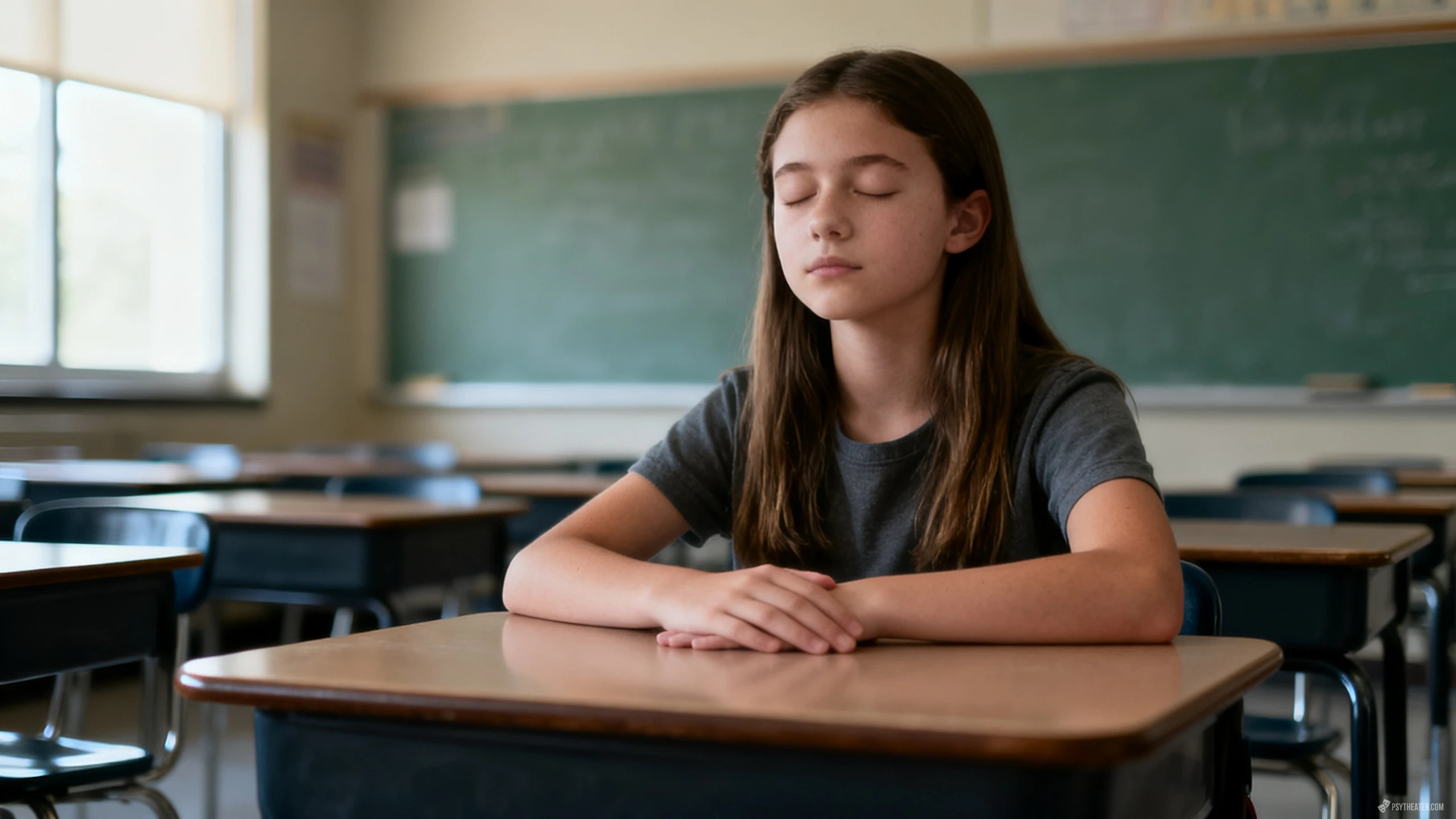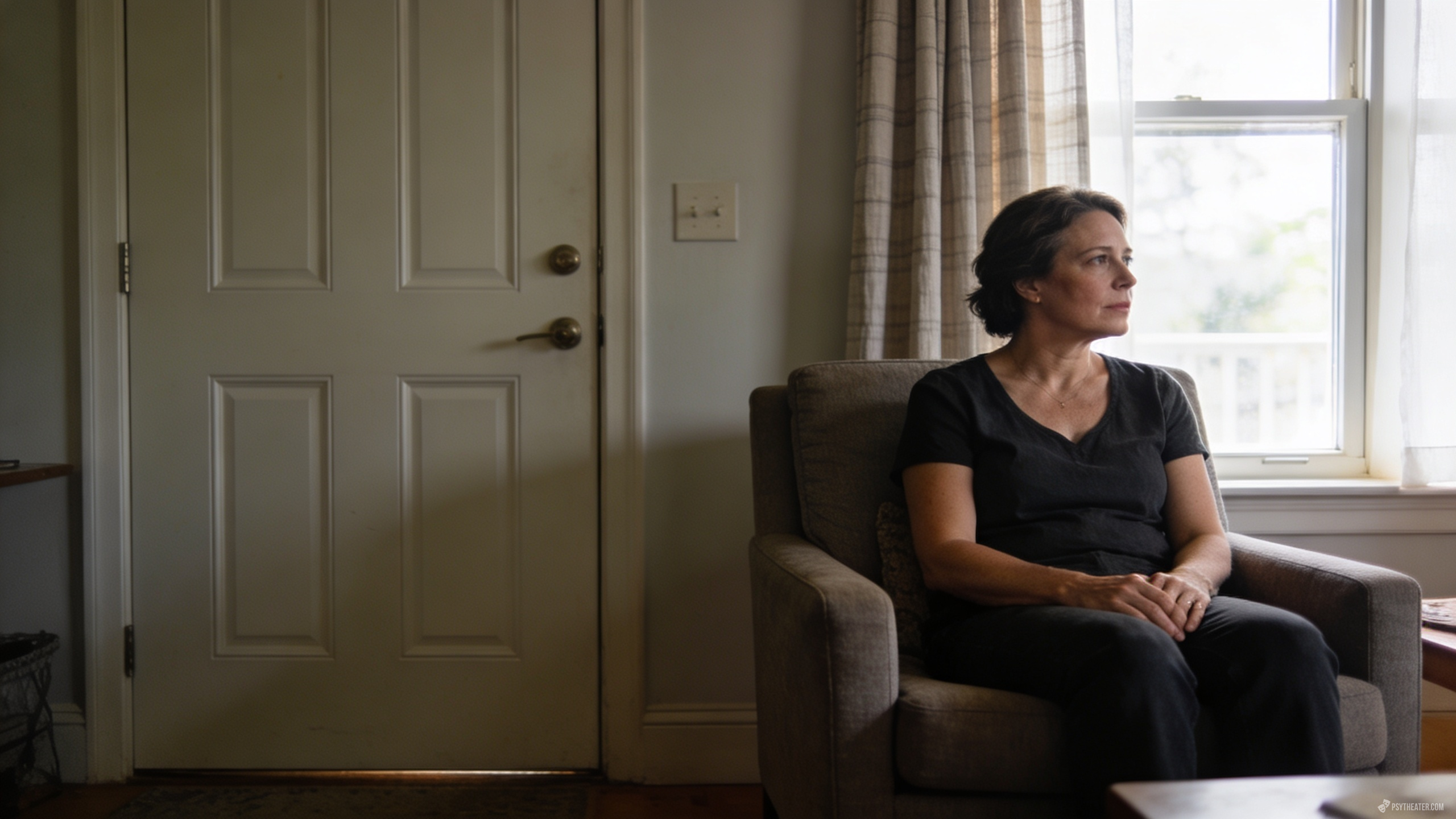
For some, the moment the door clicks shut and the world goes quiet is the first real breath of the day. If you find yourself craving solitude after social events, you’re not alone—and you’re not broken. While many worry that preferring time alone signals coldness or social withdrawal, psychologists who study voluntary solitude see a different pattern. According to Top Santé, people who thrive in solitude often share a set of eight distinct traits that shape how they relate to themselves and others.
First, these individuals fiercely protect their personal space. Whether it’s their home, a daily commute, or a coffee break, these moments become essential pockets where they can drop their guard and recharge. They’re drawn to simple pleasures—reading, solo walks, flipping through old photos—without needing constant stimulation. This quiet is fertile ground for self-reflection. They notice their emotions, analyze their reactions, and gradually build a deeper self-understanding.
Creativity is another hallmark. Freed from outside scrutiny, their imagination flourishes. Many channel this into writing, art, music, or unique work projects. The absence of an audience lets them experiment, fail, and try again without fear of judgment. This self-reliance extends to decision-making: they’re less dependent on external validation and more comfortable making big choices on their own terms.
Emotional Independence
Emotional independence is a core feature. These people recognize that no partner or friend can fill every internal gap, so they focus on their own growth first. As a result, their relationships—though sometimes fewer in number—tend to be deeper and more trusting. They respect others’ need for space, listen closely, and foster a sense of freedom within connection. This dynamic often leads to stronger, more resilient bonds.
Time management is another strength. Solitude isn’t a void to fill, but a strategic opportunity. They plan, clarify goals, journal, and reassess priorities—whether personal or professional. Rarely bored, they use alone time to realign their direction, not just to escape. After a night spent solo, many report feeling more centered, not depleted.
Balance and Boundaries
Importantly, these individuals seek balance between solitude and social life. They value close relationships but also honor their need to step back and recharge. As Albert Einstein once wrote, “The monotony and solitude of a quiet life stimulates the creative mind.” For them, alone time isn’t about isolation—it’s about restoration and growth. But if solitude starts to feel empty, joyless, or anxious, mental health experts recommend reaching out for support to prevent withdrawal from turning into distress.
Understanding these eight traits can help reframe what it means to enjoy your own company. It’s not a flaw or a sign of social failure. Instead, it’s often a marker of maturity, self-awareness, and a unique way of engaging with the world. If you recognize yourself in these patterns, you’re likely building a life that honors both connection and independence.
Solitude is not a diagnosis, but a personality style that can be healthy or problematic depending on context. In clinical psychology, the distinction between chosen solitude and social withdrawal is crucial. Chosen solitude is linked to self-regulation, creativity, and emotional resilience, while involuntary isolation can signal depression or anxiety. Therapists often help clients explore the difference, guiding them toward a balance that supports both mental health and meaningful relationships.