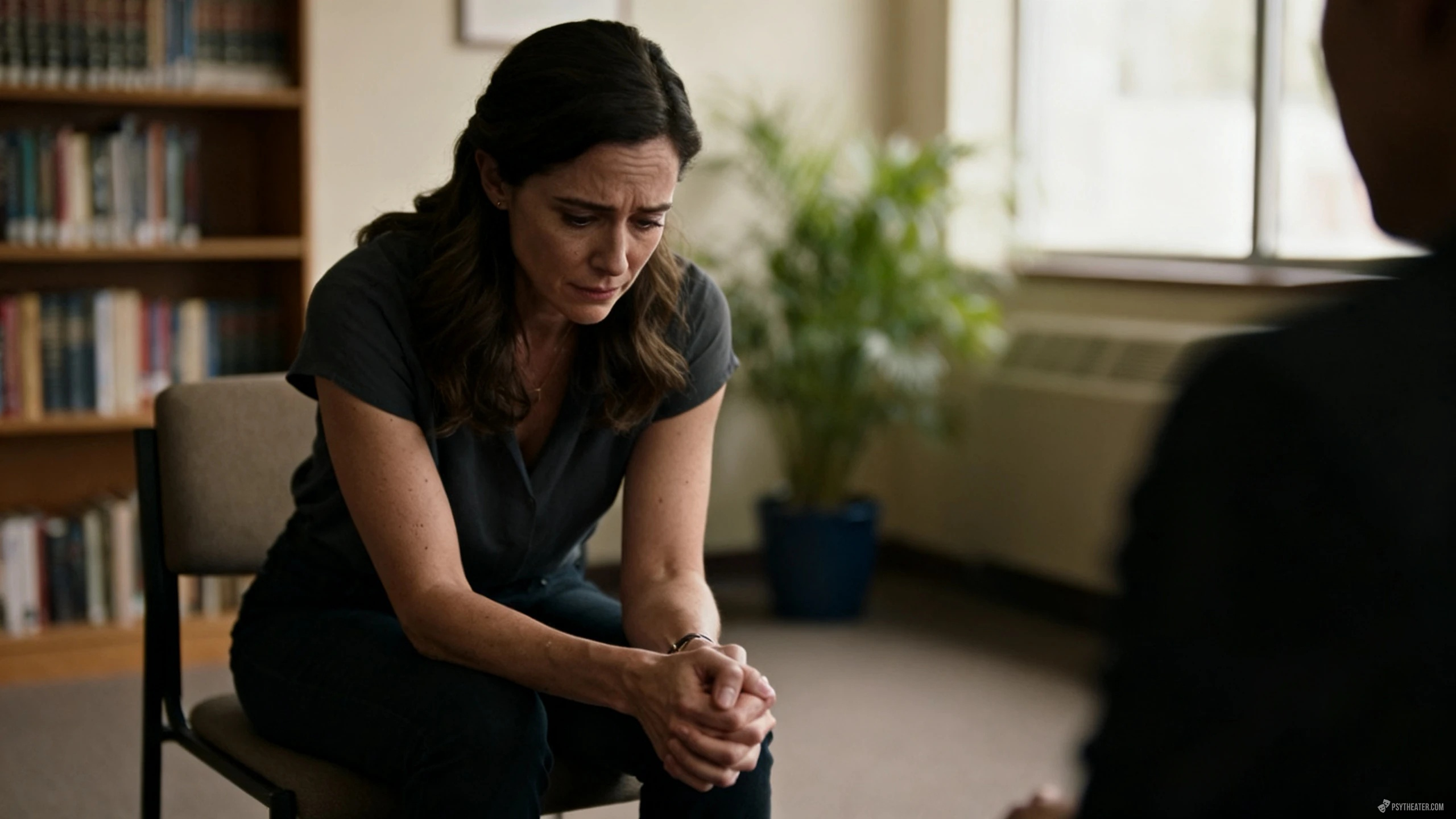
For the past four months, Evgeniya, 23, has been in what she describes as a happy relationship. She feels content, sees no major issues, and values the connection she shares with her boyfriend. Yet recently, her partner has started voicing doubts. He says his feelings aren’t as strong as they once were. He wonders aloud if he’d be better off alone. The idea of breaking up surfaces unexpectedly, leaving Evgeniya scrambling for ways to reassure him and keep the relationship afloat.
She tries to remind him of their good times, urging him to focus on the positives. She encourages him to remember why they got together in the first place. She asks for advice: what else can she do to help him through this rough patch, especially since he claims he’s willing to work on things?
But here’s the hard truth: Evgeniya’s efforts, while well-intentioned, may be costing her more than she realizes. According to Psytheater.com, it’s important to look closely at what “working on the relationship” actually means in practice. Is her boyfriend taking concrete steps to address his doubts, or is he simply voicing them, leaving Evgeniya to carry the emotional burden? Is he actively participating in solutions, or is she the one doing all the emotional labor?
When one partner repeatedly brings up the possibility of breaking up, it can create a cycle of anxiety and self-doubt for the other. The person trying to “save” the relationship may find themselves constantly proving their worth, soothing their partner’s fears, and sacrificing their own sense of security. Over time, this dynamic can erode self-esteem and lead to a lopsided relationship where one person’s needs and anxieties dominate the emotional landscape.
It’s worth asking: if her boyfriend never voiced these doubts, would Evgeniya still see the relationship as healthy? Would she be acting the same way, or is she reacting to his uncertainty? Who is driving the narrative—and for whose benefit?
For anyone in Evgeniya’s position, it’s crucial to pause and reflect. Are you helping your partner at the expense of your own well-being? Are you trying to preserve a relationship with someone who openly says they might be happier alone? These are not easy questions, but they are necessary for protecting your own mental and emotional health.
Sometimes, the best way to help a partner is to step back and consider your own needs. It’s not selfish to prioritize your self-respect and emotional safety. In fact, doing so can clarify what you truly want—and whether the relationship is worth the cost.
If you find yourself constantly managing your partner’s doubts, it may be time to ask a different question: how can you support yourself through this uncertainty? Your well-being matters just as much as your partner’s, and sometimes, the healthiest choice is to focus on your own healing and growth.