It’s a familiar pattern: a single offhand criticism can echo in your mind for hours, while a string of compliments barely registers. The same dynamic plays out with news—distressing headlines grab your attention and linger, while positive stories slip away. This isn’t just a quirk of personality. It’s a deeply rooted feature of the human brain, known as negativity bias.
Negativity bias describes the brain’s tendency to prioritize, remember, and react more strongly to negative information than to positive. According to Psytheater.com, this effect is well documented in psychological research. People notice threats faster, recall painful events longer, and feel losses more intensely than equivalent gains. In relationships, a single negative interaction can outweigh several positive ones—a pattern observed in studies by psychologist John Gottman and others.
From an evolutionary standpoint, this bias made sense. For early humans, missing a threat could be fatal, while missing a pleasant experience was rarely life-or-death. Over generations, the brain adapted to scan for danger and process negative cues with extra urgency. The amygdala, a brain region tied to emotion and threat detection, lights up more quickly and intensely in response to negative stimuli—often before you’re even aware of what’s happening.
This bias doesn’t just shape memory. It colors thinking, mood, and decision-making. People tend to ruminate on setbacks, dwell on criticism, and fixate on risks, even in neutral situations. The mind often defaults to caution, scanning for what could go wrong. In today’s media landscape, this ancient wiring gets hijacked. News outlets and social platforms know that alarming content keeps people engaged. Stories about disasters, conflict, and crisis spark stronger emotional reactions and spread faster than good news. The result: a steady diet of negativity that can distort your sense of reality, making the world seem more dangerous than it is.
Negativity bias also shapes relationships. Psychologists note that negative words and emotions carry more psychological weight than positive ones. To maintain healthy connections, positive interactions need to far outnumber negative ones. But this isn’t a flaw in human design. Negativity bias is a survival mechanism, not a mental glitch. The problem arises when this ancient system collides with nonstop information overload. The brain, primed to spot threats, gets bombarded by a constant stream of anxiety-inducing signals.
There’s no way to erase negativity bias, but its effects can be softened. Mindfulness practices, limiting exposure to distressing content, and deliberately focusing on positive events can help restore balance. Noticing the good isn’t naïve—it’s a skill that now requires as much effort as vigilance once did for survival.
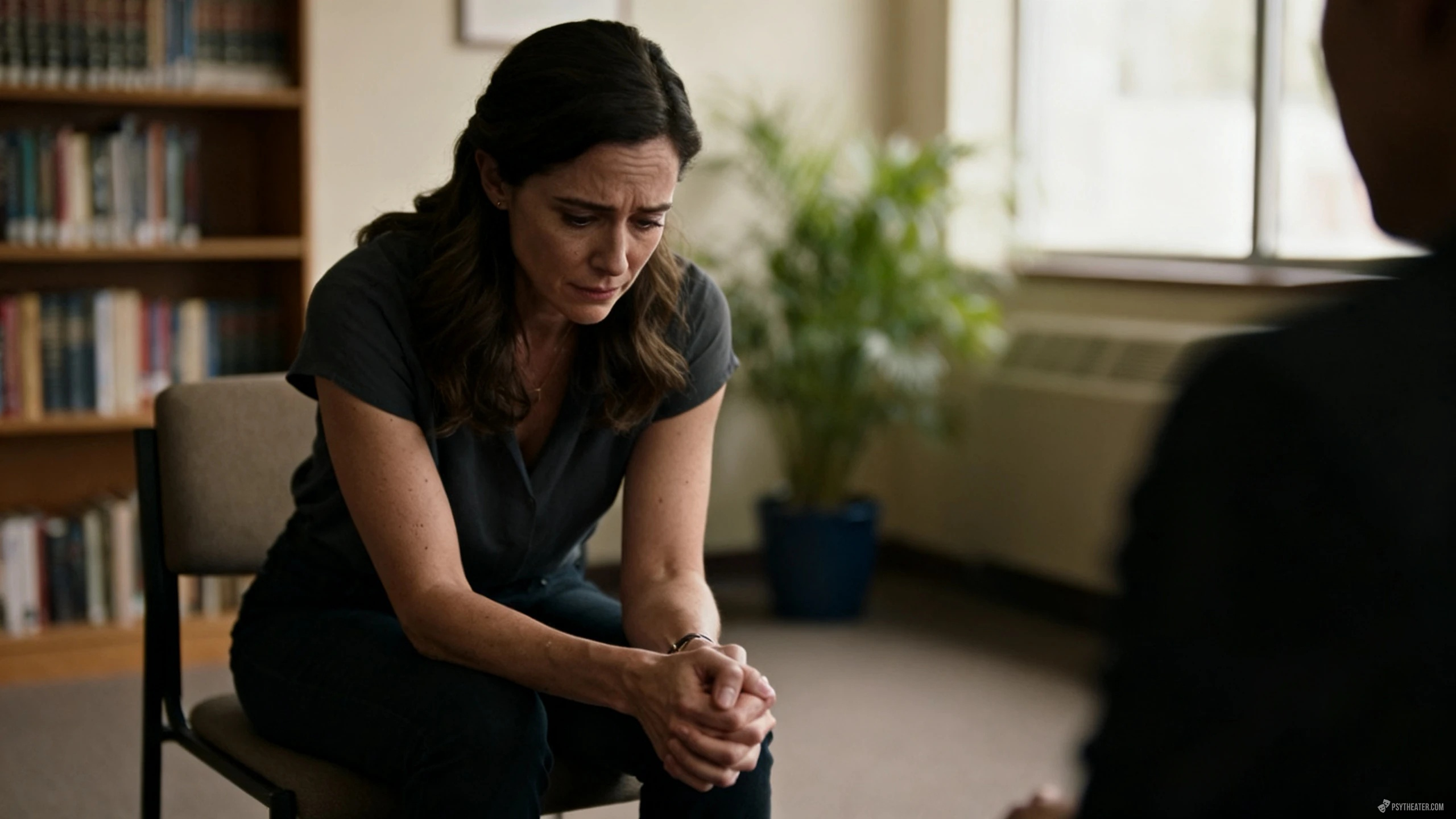
In clinical psychology, negativity bias is a key factor in understanding anxiety, depression, and chronic stress. Therapists often work with clients to identify how this bias shapes their thoughts and behaviors, especially in the context of trauma or persistent worry. Cognitive-behavioral techniques can help people recognize and challenge negative thinking patterns, while mindfulness-based approaches train the brain to notice positive experiences. Understanding the roots of negativity bias can empower people to make more balanced choices in how they consume information and relate to others.